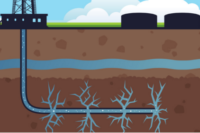
 OSHA and NIOSH have recently issued a hazard alert on ensuring that employers in hydraulic fracturing operations take appropriate steps to protect workers from silica exposure.
The hazard alert follows a cooperative study by NIOSH and industry partners that identified overexposure to silica as a health hazard to workers conducting hydraulic fracturing operations.
Silica exposure at hydraulic fracturing operations
As noted in the alert, respirable silica is a hazard common to many industries and industrial processes. Because large quantities of silica sand are used during hydraulic fracturing, NIOSH began a cooperative effort in January 2010 to collect data regarding silica exposure at hydraulic fracturing operations. NIOSH worked in cooperation with oil and gas industry partners to sample the air at 11 sites in five states where hydraulic fracturing operations were taking place.
Workers at highest risk of silica exposure
NIOSH identified seven primary sources of silica dust exposure during fracturing operations and found that workers downwind of sand mover and blender operations, especially during hot loading, had the highest silica exposures.
Workers who breathe silica day after day are at greater risk of developing silicosis, a disease in which lung tissue reacts to trapped silica particles, causing inflammation and scarring, and reducing the lungs' ability to take in oxygen. Silica also can cause lung cancer and has been linked to other diseases, such as tuberculosis, chronic obstructive pulmonary disease, and kidney and autoimmune disease.
What employers must do to protect against silica exposure
Today's action responds to the NIOSH findings. The alert states that employers must ensure that workers are properly protected from overexposure to silica. The alert describes how a combination of engineering controls, work practices, protective equipment and product substitution, where feasible, along with worker training, can protect workers who are exposed to silica. Engineering controls and work practices provide the best protection for workers. According to the alert, transporting, moving and refilling silica sand into and through sand movers, and along transfer belts and into blender hoppers, can release dust into the air containing up to 99 percent silica that workers breathe.
"Hazardous exposures to silica can and must be prevented. It is important for employers and workers to understand the hazards associated with silica exposure in hydraulic fracturing operations and how to protect workers," said Dr. David Michaels, assistant secretary of labor for occupational safety and health. "OSHA and NIOSH are committed to continuing to work with the industry and workers to find effective solutions to address these hazards."