ISHN logo
search
cart
facebook twitter linkedin youtube
  • Sign In
  • Create Account
  • Sign Out
  • My Account
ISHN logo
  • NEWS
    • Today's News
    • Global Safety News
    • Government Regulations
  • PRODUCTS
    • Product Innovations
    • Featured Products
  • TOPICS
    • Environmental Health and Safety
    • Facility Safety
    • Workplace Health
    • Occupational Safety
    • PPE
    • More Topics
  • CONSTRUCTION
  • TECHNOLOGY
  • COLUMNS
    • Best Practices
    • Dave Johnson: What’s going on
    • Editorial Comments
    • Leading Safety
  • MULTIMEDIA
    • ISHN Podcast
    • Videos
    • Cold Stress Education Quiz
    • Webinars
    • White Papers
  • MORE
    • Buyer's Guide
    • Newsletters
    • Convention Companion
    • Polls
    • Events
    • ISHN Store
    • Sponsor Insights
  • EMAGAZINE
    • eMagazine
    • Archived Issues
    • Contact
    • Advertise
  • JOIN TODAY!
Today's Safety NewsWorkplace Health

Company to study effectiveness of its workplace wellness programs
September 17, 2012

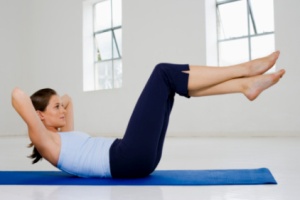
exerciseKohlberg Kravis Roberts & Co. L.P. and the American Heart Association (AHA) are teaming up to conduct a first-of-its-kind research collaboration to study the effectiveness of workplace wellness initiatives offered at KKR and its portfolio companies. The research effort will be based on aggregate data collected from the portfolio companies enrolled in the KKR Wellness Works program.

KKR is a leading global investment firm.

Since its inception, several of KKR’s private equity portfolio companies in the United States have been active participants in developing the KKR Wellness Works Model. Currently, the four participating portfolio companies, which encompass more than 140,000 employees, include First Data Corporation, HCA Holdings, Inc., Sealy Corporation and Visant Corporation. 

Wellness Works provides a best practice model which participating companies follow in developing their individual wellness programs. At a minimum, the companies commit to providing employees with incentives of $250 or more, for completing certain wellness requirements, including completing an annual biometric screening. The results from the screening along with health management resources are provided to the employees to allow them to optimize their screening results. These resources can include access to health coaching, incentives tied to making lifestyle changes and tools for tracking and reducing health risks among others.

Company goal: to support improvements in wellness

George Roberts, co-founder and Co-CEO, said KKR believes healthier employees help create successful companies and the alliance with the American Heart Association will help improve both the nation’s physical and economic health. 

“In terms of the depth and breadth of the initiative, this has the potential to be among the most comprehensive analyses ever conducted on workplace wellness programs,” said Mr. Roberts. “Our goal is to support individuals in improving their wellness thereby building stronger communities and companies. Sharing what we learn will allow other companies to implement more effective workplace wellness programs.”

Most common risk factors can be reduced

The KKR and AHA joint-study will examine the overall impact of wellness programs on employees’ health, as well as the effectiveness of the tools and incentives used at these KKR portfolio companies. Both the American Heart Association and KKR believe that wellness is a critical component to the health of an individual, a company and a community. Currently, employers are responsible for designing and paying for the vast majority of health care for those under 65 years. In fact, an estimated 25 to 30 percent of companies’ annual medical costs are spent on employees with major risk factors for chronic diseases – such as heart disease, stroke and diabetes. The most common risk factors include cigarette smoking, obesity, hypertension, dyslipidemia, and physical inactivity. Research shows that many of these can be reduced through providing information on wellness and changes in lifestyle.

Employees at the participating portfolio companies will gain access to educational tools and support resources including a “My Life Check” wellness portal to help them improve and maintain their overall health. The tools will supplement existing wellness efforts already underway at participating companies with the goal of providing more resources and a greater impact for employees. 

People who "know their numbers" make better health choices

KKR and the American Heart Association believe that individuals who “know their numbers” are more able to make improved health choices. Through an incentivized wellness program, KKR aims to engage employees, increase participation rates, change employee behaviors and eventually reduce health risks. 

The wellness program operates in compliance with Health Insurance Portability and Accountability Act (HIPAA), meaning all testing, results and data remain confidential. For more information about the KKR Wellness Works program and the AHA-KKR research study visit www.kkrwellnessworks.com .

KEYWORDS: health safety incentive programs wellness

Share This Story

Looking for a reprint of this article?
From high-res PDFs to custom plaques, order your copy today!

Recommended Content

JOIN TODAY
to unlock your recommendations.

Already have an account? Sign In

  • forklift safety

    Exploring the latest technologies in forklift safety

    With more staff and more stock in warehousing now more...
    Workplace Training Strategies
    By: Josh Cramer
  • welding

    All about welder’s flash or arc eye

    A flash burn is a painful inflammation of the cornea,...
    Environmental Health and Safety
  • dangerous jobs

    The 10 most dangerous jobs in the U.S.

    On-the-job deaths have been rising — hitting the highest...
    Construction Industry Safety and Health
    By: Benita Mehta
Manage My Account
  • eMagazine Subscriptions
  • ISHN Newsletter & Other Newsletter Alerts
  • Online Registration
  • Manage My Preferences
  • Subscription Customer Service

More Videos

Sponsored Content

Sponsored Content is a special paid section where industry companies provide high quality, objective, non-commercial content around topics of interest to the ISHN audience. All Sponsored Content is supplied by the advertising company and any opinions expressed in this article are those of the author and not necessarily reflect the views of ISHN or its parent company, BNP Media. Interested in participating in our Sponsored Content section? Contact your local rep!

close
  • man wearing the the Sundström SR200 Full Face Mask Respirator
    Sponsored byOHD

    5 Fit Testing Mistakes That Could Cost You

  • This image shows Magid AcuSpex polarized blue mirrored safety glasses.
    Sponsored byMagid Glove and Safety

    Construction PPE Guide: What Crews Need for Each Task

  • lone worker in confined space
    Sponsored byAlphasense Ltd.

    GET THE LEAD OUT of your Safety Oxygen Sensors!

Popular Stories

SpaceX 7 launch

OSHA Investigating Fatal Fall at SpaceX Starbase

Worker Impairment

How to Tell When a Co-Worker is Impaired? A Safety Pro’s Challenge

psychology in the workplace

Most Workplaces Measure Psychological Safety, Ignoring Psychosocial Risks

top 10 most dangerous jobs

Poll

Seasonal Readiness

With the federal heat stress prevention rule on the horizon, which area of your safety program needs the most attention?
View Results Poll Archive

Products

Surviving an OSHA Audit A Management Guide, 2nd Edition

Surviving an OSHA Audit A Management Guide, 2nd Edition

See More Products

ISHN Podcasts

Related Articles

  • Cardiac rehab programs can be vital part of workplace wellness programs

    See More
  • Best practices for workplace wellness programs

    See More
  • Public health experts: Workplace wellness programs shouldn’t discriminate

    See More

Related Products

See More Products
  • 0470387408.jpg

    Preparing for OSHA s Voluntary Protection Programs: A Guide to Success

See More Products

Events

View AllSubmit An Event
  • September 22, 2016

    Bang! Damage from impulse noise and the effectiveness of hearing protection

    Some of the most hazardous sounds we hear are brief sounds – noises from impacts and impulses. These arise from sources like household tools, construction, industrial noise, firecrackers, guns, and even automotive airbags.
View AllSubmit An Event
×

Become a Leader in Safety Culture

Build your knowledge with ISHN, covering key safety, health and industrial hygiene news, products, and trends.

JOIN TODAY
  • RESOURCES
    • Advertise
    • Contact Us
    • Directories
    • Manufacturing Division
    • Store
    • Want More
  • SIGN UP TODAY
    • Create Account
    • eMagazine
    • Newsletters
    • Customer Service
    • Manage Preferences
  • SERVICES
    • Marketing Services
    • Reprints
    • Market Research
    • List Rental
    • Survey/Respondent Access
  • STAY CONNECTED
    • LinkedIn
    • Facebook
    • YouTube
    • X (Twitter)
  • PRIVACY
    • PRIVACY POLICY
    • TERMS & CONDITIONS
    • DO NOT SELL MY PERSONAL INFORMATION
    • PRIVACY REQUEST
    • ACCESSIBILITY

Copyright ©2026. All Rights Reserved BNP Media, Inc. and BNP Media II, LLC.

Design, CMS, Hosting & Web Development :: ePublishing
