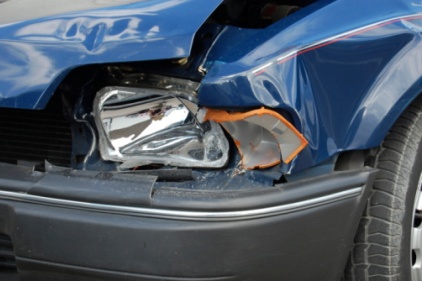
 A growing black market in counterfeit air bags has prompted the National Highway Traffic Safety Administration (NHTSA) to issue a warning to vehicle owners and repair professionals.
Counterfeit air bags – less expensive than the real thing – are sometimes being used as replacement parts in vehicles that have been involved in a crash. While these air bags look nearly identical to certified, original equipment parts—including bearing the insignia and branding of major automakers — NHTSA testing has shown consistent malfunctioning ranging from non-deployment of the air bag to the expulsion of metal shrapnel during deployment.
NHTSA is not aware of any deaths or injuries connected to counterfeit air bags.
While the full scope and scale of the problem of counterfeit air bags is uncertain from currently available data, NHTSA has identified certain vehicle makes and models for which these air bags may be available and believes this issue affects less than 0.1 percent of the U.S. vehicle fleet. Only vehicles which have had an air bag replaced within the past three years by a repair shop that is not part of a new car dealership may be at risk.
Consumers whose vehicles have been in a crash and had their air bags replaced by a repair shop that is not part of a new car dealership within the past three years or who have purchased a replacement air bag online should contact the call center that has been established by their auto manufacturer to have their vehicle inspected at their own expense and their air bag replaced if necessary. The full list of call centers and additional information are available at www.SaferCar.gov.
NHTSA has been working with a number of government agencies — including U.S. Immigration and Customs Enforcement, U.S. Customs and Border Protection and the U.S. Department of Justice—to better understand the issue of counterfeit air bags and how to prevent them from being purchased and installed in vehicles.
“Organized criminals are selling dangerous counterfeit and substandard airbags to consumers and suppliers with little to no regard to hazardous health and safety consequences,” said ICE Director John Morton. “We will continue to aggressively investigate criminal supply chains with our law enforcement and private industry partners and bring these criminals to justice.”
NHTSA is currently gathering information from automakers about their systems for verifying the authenticity of replacement parts and is working with the industry to make the driving public aware of the potential safety risk posed by counterfeit air bags. Moving forward, the agency will continue to monitor consumer complaints, police accident reports, and other sources for additional information.
Consumers who are not be at risk:
- Consumers who purchased their vehicle new and have not had their air bags replaced
- Consumers who have full knowledge of the entire history of their used vehicle (including knowing whether the vehicle had been in a crash in the last three years and being certain that the air bag was replaced at a new car dealership)
Consumers who may be at risk and should contact the call center established by their auto manufacturer:
- Consumers who have had air bags replaced within the past three years at a repair shop that is not part of a new car dealership
- Consumers who have purchased a used car that may have sustained an air bag deployment before their purchase
- Consumers who own a car with a title branded salvage, rebuilt, or reconstructed
- Consumers who have purchased replacement air bags from eBay or other non-certified sources—especially if they were purchased at unusually low prices (i.e. less than $400)