Beyond compliance
Michaels talks to OSHA employees
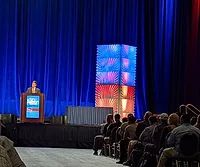
 Last month, Assistant Secretary of the Occupational Safety and Health Administration Dr. David Michaels held an OSHA Employees All-Hands Meeting. OSHA employees who were not able to attend the meeting in person were able to participate through the web.
All this week, ISHN will present excerpts from Michaels’ talk at that meeting.
Here is the third installment:
As you all know, one of my main objectives is to educate our country's employers about moving beyond reactive compliance to embrace a culture of safety. Many workplaces have already adopted injury and illness prevention programs, where employers develop a process to find and fix workplace hazards before workers are hurt.
Employers in our terrific VPP and SHARP recognition programs recognize that higher profits are the welcome byproducts of safety management. These employers experience dramatic decreases in workplace injuries, accompanied by a transformed workplace culture that leads to higher productivity and quality, reduced turnover, reduced costs, and greater employee satisfaction. Now it's time to take this message from the best to the rest.
Our injury and illness prevention program initiative remains my number one priority-for these programs are critical to driving injury, illness, and fatality rates down.
In addition to encouraging employers to adopt safety and health management systems, we must also continue to address the problem of those systems that undermine a workplace culture of safety. For example, incentive programs based on injury rates or reports can discourage workers from reporting injuries. We've also seen programs that punish workers for reporting injuries. These programs can constitute unlawful discrimination or result in violations of OSHA's recordkeeping regulations.
Boots on the ground
One of the best indicators of our effectiveness as an agency is our ability to respond to emergencies. We never know when a disaster will strike, but we know we must be ready for the next one. I am proud to say that in spite of our limited resources and considerable duties, when disasters arrive, you always rise to the occasion.
In the aftermath of Hurricane Sandy, staff from every single region-more than three hundred and sixty in total-responded with tremendous energy to assist and protect the workers engaged in recovery efforts in the storm-battered regions of the Northeast. Some of you even carried on with this work while facing enormous personal hardship - your own homes were severely damaged by the storm. This was tremendously important work because we saw thousands of volunteers and day laborers mobilize to help with response and recovery efforts, but many of these workers did not have the training or basic personal protective equipment to work safely in these hazardous conditions.
Our response to this natural disaster also underlines how much we have learned and grown. As tornados tore through the middle of the country, as historic floods plagued North Dakota, as oil spilled into the Yellowstone River, OSHA responded with boots on the ground to bring life-saving guidance to responders and cleanup crews. We've drawn lessons from these hardships, devising original and effective strategies to provide swift assistance and direct resources to those most in need of our help.
Protecting vulnerable workers
Our nation's workers speak many languages and many have limited English proficiency. We are making sure workers understand the workplace hazards they face and know their rights. We've made it a priority to ensure workers receive training and information in a language and vocabulary they can understand. And we have bilingual safety and health inspectors and staff all over the country.
We recently re-launched OSHA's Spanish-language home page, and we're continuing to translate our publications and webpages into Spanish and other languages.
This past summer marked the second year of our "Water. Rest. Shade." campaign, to prevent heat related illnesses and deaths. We reached hundreds of thousands of workers and employers with bilingual material and training and had more than fifty-six thousand downloads of our new smartphone Heat App.
In 2012, we also launched our Campaign to Prevent Fatal Falls in Construction. Falls continue to be the leading cause of death in construction - they account for roughly one third of all construction fatalities. We've distributed our campaign materials widely and now have translated them into Spanish, Russian, Polish, Portuguese, and Tagalog. We will re-launch the campaign this spring-with signs on buses and billboards, new training guides, and more.
One of the best ways we have for reaching vulnerable and hard-to-reach workers is through our Susan Harwood Training Grant Program. In September, we enlisted the help of seventy-two nonprofit organizations to help train vulnerable workers and small businesses to identify and prevent job hazards. And our Harwood grantees have played a vital role in our outreach effort following Hurricane Sandy's devastation.
Strengthening whistleblower program
We rely on workers to speak up when they see a hazard at work. It is not enough for workers to be aware of the hazards they face and ways to protect themselves - they must also know their rights and feel secure enough to exercise those rights without fear of retaliation.
In these last few years, we have also recommitted ourselves to ensuring that all workers have a voice. In FY 2012, we helped to award nearly twenty seven million dollars to whistleblowers across the country.
But sanctioning employers who retaliate against workers, and making workers whole, are not our only goals. We are working hard to prevent retaliation from happening in the first place; we have been sending a message to employers across the country that punishing workers for exercising their rights will simply not be tolerated.
And our efforts are bearing fruit. A few weeks ago, BNSF Railway voluntarily agreed to revise several personnel policies that violated the law and discriminated against workers for reporting injuries.
We play an important-and growing-role across a large range of industries and employers. In July we took on our 22nd whistleblower provision, covering workers in motor vehicle manufacturing, part supplies, and dealerships.
As the number of whistleblower statutes under our jurisdiction continues to expand, we will continue to strengthen our whistleblower protection program
We've also established the Whistleblower Protection Advisory Committee, bringing in the nation's experts to make recommendations on ways to improve OSHA's administration of whistleblower protections.
Tomorrow: Oil and gas safety, fracking and silica exposure
Looking for a reprint of this article?
From high-res PDFs to custom plaques, order your copy today!