ISHN logo
search
cart
facebook twitter linkedin youtube
  • Sign In
  • Create Account
  • Sign Out
  • My Account
ISHN logo
  • NEWS
    • Today's News
    • Global Safety News
    • Government Regulations
  • PRODUCTS
    • Product Innovations
    • Featured Products
  • TOPICS
    • Environmental Health and Safety
    • Facility Safety
    • Workplace Health
    • Occupational Safety
    • PPE
    • More Topics
  • CONSTRUCTION
  • TECHNOLOGY
  • COLUMNS
    • Best Practices
    • Dave Johnson: What’s going on
    • Editorial Comments
    • Leading Safety
  • MULTIMEDIA
    • ISHN Podcast
    • Videos
    • Cold Stress Education Quiz
    • Webinars
    • White Papers
  • MORE
    • Buyer's Guide
    • Newsletters
    • Convention Companion
    • Polls
    • Events
    • ISHN Store
    • Sponsor Insights
  • EMAGAZINE
    • eMagazine
    • Archived Issues
    • Contact
    • Advertise
  • JOIN TODAY!
Today's Safety News

House Democrats propose bill requiring OSHA to set combustible dust regulations within one year (2/23)
February 23, 2011


Rep. John Barrow, a Savannah, Ga., Democrat, has introduced The Worker Protection Against Combustible Dust Explosions and Fires Act (H.R. 522). The bill would force OSHA to set requirements regulating combustible industrial dusts.

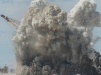
In February 2008 the Imperial Sugar refinery in Port Wentworth, Ga (in Barrow’s congressional district), exploded, killing 13 workers and severely injuring many more. The U.S. Chemical Safety Board has concluded that the explosion was caused by combustible sugar dust.

Barrow’s bill is co-sponsored by Rep. George Miller (D-CA), the senior Democrat of the House Committee on Education and the Workforce, and Rep. Lynn Woolsey (D-CA), the senior Democrat on the Workforce Protections Subcommittee.

To address dust hazards, the bill:
  • Streamlines OSHA’s process for issuing an interim standard and directs OSHA to issue an interim final Combustible Dust standard within a year. The standard would include measures to minimize hazards associated with combustible dust through improved housekeeping, engineering controls, worker training and a written combustible dust safety program, and apply the relevant National Fire Protection Standards that call for dust control.
  • Directs OSHA to issue a final standard within 18 months. OSHA would be required to include relevant parts of National Fire Protection Association standards. In addition to items required in the interim standard, the final standard would include requirements for hazard assessment, building design and explosion protection.
  • The interim standard would remain in effect until the final standard is issued. OSHA would be required to fulfill all administrative rulemaking requirements including full public hearings, feasibility analysis and small business review as part of developing a final standard.
According to a House Democratic press release, in the 1970s and 1980s, the U.S. experienced a series of grain dust explosions that caused a number of deaths. OSHA responded in 1987 by issuing a comprehensive grain dust standard. This standard requires preventive maintenance, worker training, safe operating procedures, emergency planning, and formal dust cleaning programs in grain elevators.

In 2006, following a series of fatal combustible dust explosions, the U.S. Chemical Safety Board conducted a major study of combustible dust hazards.It identified 281 combustible dust incidents between 1980 and 2005 that killed 119 workers, injured 718 others, and extensively damaged industrial facilities. The tragedy at Imperial Sugar shows that the threat of dust explosions is very real at industrial worksites across America and needs to be addressed immediately.

In the three years since the February 7, 2008 explosion at Imperial Sugar, there have been 24 combustible dust explosions or fires, causing four deaths and 65 injuries.

When dust builds up to dangerous levels in industrial worksites, it can become fuel for fires and explosions. Combustible dust can come from many sources, such as sugar, flour, feed, plastics, wood, rubber, furniture, textiles, pesticides, pharmaceuticals, dyes, coal, and metals, and therefore poses a risk across a number of different industries throughout the United States.

Share This Story

Looking for a reprint of this article?
From high-res PDFs to custom plaques, order your copy today!

Recommended Content

JOIN TODAY
to unlock your recommendations.

Already have an account? Sign In

  • forklift safety

    Exploring the latest technologies in forklift safety

    With more staff and more stock in warehousing now more...
    Workplace Training Strategies
    By: Josh Cramer
  • welding

    All about welder’s flash or arc eye

    A flash burn is a painful inflammation of the cornea,...
    Environmental Health and Safety
  • dangerous jobs

    The 10 most dangerous jobs in the U.S.

    On-the-job deaths have been rising — hitting the highest...
    Occupational Safety
    By: Benita Mehta
Manage My Account
  • eMagazine Subscriptions
  • ISHN Newsletter & Other Newsletter Alerts
  • Online Registration
  • Manage My Preferences
  • Subscription Customer Service

More Videos

Sponsored Content

Sponsored Content is a special paid section where industry companies provide high quality, objective, non-commercial content around topics of interest to the ISHN audience. All Sponsored Content is supplied by the advertising company and any opinions expressed in this article are those of the author and not necessarily reflect the views of ISHN or its parent company, BNP Media. Interested in participating in our Sponsored Content section? Contact your local rep!

close
  • man wearing the the Sundström SR200 Full Face Mask Respirator
    Sponsored byOHD

    5 Fit Testing Mistakes That Could Cost You

  • This image shows Magid AcuSpex polarized blue mirrored safety glasses.
    Sponsored byMagid Glove and Safety

    Construction PPE Guide: What Crews Need for Each Task

  • lone worker in confined space
    Sponsored byAlphasense Ltd.

    GET THE LEAD OUT of your Safety Oxygen Sensors!

Popular Stories

SpaceX 7 launch

OSHA Investigating Fatal Fall at SpaceX Starbase

Worker Impairment

How to Tell When a Co-Worker is Impaired? A Safety Pro’s Challenge

psychology in the workplace

Most Workplaces Measure Psychological Safety, Ignoring Psychosocial Risks

top 10 most dangerous jobs

Poll

Seasonal Readiness

With the federal heat stress prevention rule on the horizon, which area of your safety program needs the most attention?
View Results Poll Archive

Products

Surviving an OSHA Audit A Management Guide, 2nd Edition

Surviving an OSHA Audit A Management Guide, 2nd Edition

See More Products

ISHN Podcasts

Related Articles

  • House democrats reintroduce bill requiring OSHA combustible dust standard (2/12)

    See More
  • Sudden impact: Labor Secretary Solis's first year at DOL (2/23)

    See More
  • The weekly toll: 20 recent fatality reports to OSHA (2/23)

    See More

Related Products

See More Products
  • 1119010160.jpg

    Guidelines for Combustible Dust Hazard Analysis

  • 0470387408.jpg

    Preparing for OSHA s Voluntary Protection Programs: A Guide to Success

  • Top Ten Pitfalls in OSHA Recordkeeping and How to Avoid Them

See More Products

Related Directories

  • SonicAire

    SonicAire is the global leader in engineered solutions for combustible dust control. Our patented fan systems use BarrierAire™ technology to prevent dust from settling in overhead and hard-to-reach areas—helping facilities stay compliant with OSHA, NFPA, and insurance requirements. Thousands of manufacturers across wood products, food, grain, textiles, plastics, and more trust SonicAire to: Eliminate the risk of dust-related fires and explosions Automate housekeeping in overhead areas Protect worker health with improved air quality Reduce manual cleaning costs and production downtime Our systems are engineered for your facility, installed with precision, and backed by our Compliance Guarantee—because when it comes to safety, good enough is never enough. Create a cleaner, safer, and more compliant facility with SonicAire. ���� Visit www.SonicAire.com or call (336) 712-2437.
  • Scientific Dust Collectors

    Scientific Dust Collectors (SDC) began in 1981 when our first patent for improving filter cleaning was issued. Our patented UniFlow Supersonic Nozzle -based cleaning system is where it all starts. Combined with our High Side Inlets, Wide Filter Spacing, and Inlet Baffling, we are able to guarantee performance, efficiency, and filter life. ASHRAE 199 Test Lab on site.
  • CO2Meter

    Since 2006, CO2Meter has been a trusted leader in gas detection, monitoring, and analytical solutions designed to protect people, facilities, and processes across critical industries. Our mission is simple to make invisible gases visible through reliable, accurate, and compliant gas detection safety solutions. From carbon dioxide to oxygen deficiency, combustible, toxic, and refrigerant gases, CO2Meter delivers innovative gas safety devices that help organizations meet OSHA, NFPA, and local fire code requirements while safeguarding worker health and environmental integrity. Our portfolio includes fixed and portable gas detection systems, multi-gas sampling data loggers, and industrial monitoring solutions engineered for EHS programs, laboratory safety, manufacturing, food and beverage, cryogenics, and life sciences applications.
×

Become a Leader in Safety Culture

Build your knowledge with ISHN, covering key safety, health and industrial hygiene news, products, and trends.

JOIN TODAY
  • RESOURCES
    • Advertise
    • Contact Us
    • Directories
    • Manufacturing Division
    • Store
    • Want More
  • SIGN UP TODAY
    • Create Account
    • eMagazine
    • Newsletters
    • Customer Service
    • Manage Preferences
  • SERVICES
    • Marketing Services
    • Reprints
    • Market Research
    • List Rental
    • Survey/Respondent Access
  • STAY CONNECTED
    • LinkedIn
    • Facebook
    • YouTube
    • X (Twitter)
  • PRIVACY
    • PRIVACY POLICY
    • TERMS & CONDITIONS
    • DO NOT SELL MY PERSONAL INFORMATION
    • PRIVACY REQUEST
    • ACCESSIBILITY

Copyright ©2026. All Rights Reserved BNP Media, Inc. and BNP Media II, LLC.

Design, CMS, Hosting & Web Development :: ePublishing