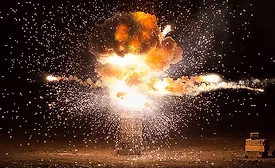
For more than a decade, OSHA has placed an emphasis on combustible dust hazards, which have resulted in numerous deadly incidents over the years. While no OSHA standard directly addresses combustible dust, this has not hindered OSHA enforcement.
Employees working at water treatment plants face danger every day. The work is inherently treacherous, as water makes every step potentially hazardous, and sometimes even life-threatening.
An explosion in an unprotected dust collector produces a high-pressure wave that can fragment the housing and send heat, flames and dangerous projectiles into the workplace. Obviously, this is extremely dangerous for workers, equipment and structures.
Many private and public entities have no anti-bullying policy at all. Some have policies with holes in them; some of the language undermines the policies’ stated purposes.
How well an organization plans for emergencies that may occur at remote locations can be the dividing line between tragedy and success story, whether an employee’s life is saved or lost, or if an operation and capital infrastructure is lost due to an incident.
According to the U.S. Bureau of Labor Statistics, almost 120,000 injuries to hands and fingers in 2016 involved days away from work – 13 percent of the total injury toll.
Seeking safety excellence, we focus on creating a safe working environment by identifying the hazards that exist in our environment -- and how we interact with those hazards as individuals.
After industry objections to several provisions of the Examinations of Working Places in Metal and Nonmetal Mines final rule issued by the Mine Safety and Health Administration (MSHA), the agency has published a final rule that includes changes to the provisions.