‘Workplaces are not merely spaces where people work – they are spaces where people live their lives. Anything which would be prohibited on grounds of consumer health or environmental protection should also be prohibited in workplaces.’ These were the words with which Laurent Vogel, a researcher at the European Trade Union Institute (ETUI), closed the ‘Work and Cancer’ conference organised by the ETUI in November in Brussels.
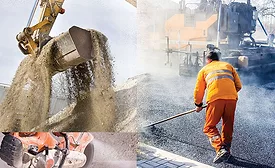
An estimated 2.3 million workers are exposed to respirable crystalline silica in their workplaces, primarily in construction, general industry and hydraulic fracturing.
A plant manager who was fired after less than two weeks on the job – after reporting safety and health hazards at the facility – will receive $135,000 in back wages and compensatory damages, under a U.S. Department of Labor (DOL) settlement.
ClickSafety, a leading provider of online safety training for the construction and general industries, has launched Spanish language versions of its Respirable Crystalline Silica Awareness in Construction and Respirable Crystalline Silica in Construction for the Exposed Worker.
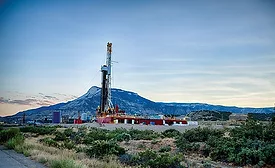
The danger arrives with trucks bearing tons of sand. Off-loading that sand – which may contain up to 99 percent silica – can send clouds of thick dust into the air, exposing the lungs of fracking workers who are performing the task to serious inhalation hazards.
ClickSafety, a leading provider of online safety training for the construction and general industries, today announced its latest offerings, Respirable Crystalline Silica Awareness in Construction and Respirable Crystalline Silica in Construction for the Exposed Worker.
Public health experts call the Final Rule Governing Workplace Exposure to Crystalline Silica issued by OSHA last week “a lifesaving public health victory.” Roofers say it will increase fall hazards.