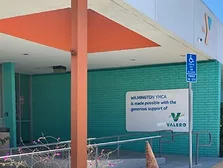
Experts say that more than a decade of research — including two new studies out of California, and one on a Texas community — has made it clear that current setback distances, in states where they exist, are inadequate to protect public health. Now, political pressure to push oil and gas wells about half a mile from homes and other buildings is peaking across the country, over industry alarm that such measures could amount to a de facto ban on drilling.
The work world has been entirely upended with unemployment, business concepts changing, people restricted to their homes, social distancing, etc. Within recent weeks, businesses and office settings have experienced a dramatic change in daily operations.
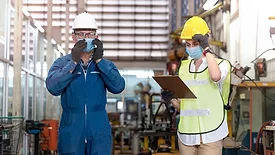
Economies all over the world are ramping back up. It would be extremely premature to say that the pandemic is over, but even COVID-19 can’t keep the wheels of production still for long. The question is, can frontline workers in essential industries, like manufacturing, return to work with confidence?
As if 2020 couldn’t get any more stressful, experts predict it will be the hottest year on record for atmospheric temperatures. The heat comes at a time when managing productivity and safety to maximize revenue for struggling industries is paramount.
Jurassic World: Dominion is poised to be the first major studio release to resume filming in the United Kingdom in the wake of the coronavirus (COVID-19) outbreak. But filming in the midst of a pandemic will not come cheap to Universal Pictures.
While entrepreneurs may bring incredible ideas to the table, it is employees who are instrumental in bringing them to fruition and pushing them to the next level.
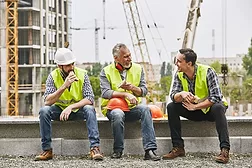
New research from the National Institute for Occupational Safety and Health (NIOSH) suggests that several behaviors that contribute to higher health risks are more prevalent among construction workers than workers in other industries.