ISHN logo
search
cart
facebook twitter linkedin youtube
  • Sign In
  • Create Account
  • Sign Out
  • My Account
ISHN logo
  • NEWS
    • Today's News
    • Global Safety News
    • Government Regulations
  • PRODUCTS
    • Product Innovations
    • Featured Products
  • TOPICS
    • Environmental Health and Safety
    • Facility Safety
    • Workplace Health
    • Occupational Safety
    • PPE
    • More Topics
  • CONSTRUCTION
  • TECHNOLOGY
  • COLUMNS
    • Best Practices
    • Dave Johnson: What’s going on
    • Editorial Comments
    • Leading Safety
  • MULTIMEDIA
    • ISHN Podcast
    • Videos
    • Cold Stress Education Quiz
    • Webinars
    • White Papers
  • MORE
    • Buyer's Guide
    • Newsletters
    • Convention Companion
    • Polls
    • Events
    • ISHN Store
    • Sponsor Insights
  • EMAGAZINE
    • eMagazine
    • Archived Issues
    • Contact
    • Advertise
  • JOIN TODAY!

Wake up to the reality of stress

September 2, 2003
In our work over the past 20 years with numerous companies and their safety and management personnel, the role of stress in incidents has either been unknown or downplayed. In 1983, when we first entered the field of safety, we conducted original research to determine the causes of accidents and injuries for a site of a major chemical company. Reading their incident reports and interviewing people that had and had not been injured led us to an interesting discovery.

We determined two primary causes of accidents and injuries:

  • Automatic or non-deliberate behaviors, such as daydreaming, distractions, inattention, and stress.

  • Pre-meditated or deliberate behaviors resulting from unsafe choices made by both management and line employees. These stemmed from various attitudes and beliefs related to time, comfort, convenience, producing results, "looking good" or "macho" and the desire to show one's strength, ability, or being a super hero or heroine.

    So interestingly, we found that stress was a factor in causing incidents to occur. We determined that stress-related accidents are caused by:

    1) Fatigue and lowered response time by individuals or groups working alone or together;

    2) Loss of focus or attention;

    3) Muscles being tense and tight;

    4) Conscious choices to take short cuts or by-pass procedures to get a job done quickly and move on to another priority.

    What can we do?

    If we accept stress as a reality and understand its implications to safety, health, and environmental performance, then what can we do to reduce stress and the possibility of incidents?

    Many simple yet effective stress management techniques allow us to control or reduce stress or tension levels and remain within an optimal range for good or effective performance, health, and well-being. These methods emanate from a management/leadership commitment. We believe it's the responsibility of the owner/leadership of a business or work site to minimize and prevent stressors that affect all levels of employees through these steps:

  • Provide resources to minimize the various sources of stress and improve workplace conditions or environment.

  • Reduce high levels of noise and dust, fumes and bad air from poor ventilation; replace old, unsafe, and malfunctioning equipment; eliminate crowded work areas, etc.

  • When downsizing occurs, hire outplacement and counseling services to help a person cope and gain confidence in their ability to handle the situation.

  • Involve employees at all levels in identifying and solving unsafe and unworkable situations, conditions, and issues to help reduce the stress that these situations cause. This gives people a sense of power and control over their circumstances.

    Caution is necessary here. You need proper respect and support of the process, as well as the resources necessary to carry out and complete the solutions and recommendations of your various teams and work groups. If this doesn't occur, the upset, frustration, and anger that results will create new stressors that may be greater than the original problem or concern.

  • Provide effective leadership, management, and interactive skills to eliminate poor communication, threats, and ineffective handling of accidents and incidents. Here, stress levels can build with increasing concerns over possible consequences of substandard performance, whether production or safety/environment related.

  • Incentive systems intended to increase productivity or prevent accidents, injuries, and environmental incidents can fuel increased levels of stress. Real or perceived pressures from oneself or others to rush to produce or to meet a numerical goal (even safety goals) can create situations where serious incidents occur. Covering up incidents so as not to lose an incentive can create stress on a number of levels.

  • Stress-producing events such as increased regulatory demands on employers can cause resistance to change and rigid response to the demands. When the cost of a change rises, rational managers either drop the change idea or give it a low priority. Thus, even though change is possible, the chances that it will be attempted and achieved are lowered as change costs rise. This barrier must be overcome.

    Easing the conflict

    A fundamental stress-producing conflict between employees and their employers can occur when a worker is injured. The degree of stress experienced by both the injured employee and the employer depends on the impact of the injury on the organization and on the productivity of the workplace. Undue concern over the numbers, individual and group incentives, numbers-driven performance measurement systems, reactive management styles, rising workers' compensation costs, along with replacement costs for employees who are disabled or on restricted work activity are added "stressors" for companies and their employees.

    Here are steps you can take to relieve the tension:

    1) Accident investigation teams need to be trained in coaching and counseling methods to ensure constructive and learning interactions.

    2) Management and labor leadership must take the initiative to proactively address the various levels of stress and take effective actions to:

    • Correct workplace conditions and environments;
    • Learn skills to communicate and interact constructively with all employees;
    • Make continual improvements in identified and needed areas;
    • Provide needed resources for training and improvements;
    • Give people the ability to be safe and make corrections.

    3) Controlling stress also is needed at the individual level, where employees are taught personal stress management skills. The key is learning to reduce stress on a daily and moment-to-moment basis. Controlling stress starts with identifying situations that cause stress and learning skills to respond more effectively in that situation.

    Once a person can identify the stressors and their response patterns to them, they can then discover what the causes are and develop plans of action for improvement. People need skills and techniques to manage, reduce, and prevent stress buildup. These can include:

    • Stress reduction and relaxation;
    • Physical fitness;
    • Nutrition;
    • Time management and goal setting;
    • Self-management;
    • Assertiveness training and constructive communication skills.

    Bottom line: Sources of stress can be eliminated when addressed on organizational and personal levels, and when given appropriate attention, resources and training.

    SIDEBAR: Temporary measures

    Some attempts to relieve stress result in masking over the stress rather than causing it to go away. When the effects of the "reliever" wear off, stress comes back with a vengeance.

    Caffeine, for example, stimulates the adrenal glands and causes more adrenaline to be released, which can create a nervous state. There are drugs that may give the illusion of reducing stress but when the drug starts to wear off, more of the drug is required to give the same illusion of relief.

    There is a mechanism called the "sedation agitation syndrome." The way it works is that a drug may provide a sedating or relieving effect for a period of time. But since the relief of a negative feeling by a drug is an illusion, as more and more of the drug is taken, the masked-over tension, stress, anger or any other negative feeling continues to accumulate. Levels of agitation result that can no longer be sedated by any amount of the drug.

    This is often the time when a person may lash out to unsuspecting victims in an attempt to relieve their anger or frustration.

    SIDEBAR: Not all bad. . .

    There is good and bad stress. We actually need stress to keep us alert and able to respond quickly to a stimulus or real threat of danger. When we have goals and obstacles to overcome, stress can help us achieve them. This is what is called a positive stressor. If we view ourselves as "in control" after being downsized out of a job, "good stress" could help stimulate us to get back up and look for the circumstances that will support us in finding a new and even better job.

    Stress related to a real danger will stimulate the "flight or fight" mechanism and give us the energy and power to respond and protect ourselves. We often find "superhuman" strength and resiliency and are able to channel the energy and drive to do whatever we need to do to take care of our interests and ourselves.

  • Share This Story

    Looking for a reprint of this article?
    From high-res PDFs to custom plaques, order your copy today!

    Recommended Content

    JOIN TODAY
    to unlock your recommendations.

    Already have an account? Sign In

    • forklift safety

      Exploring the latest technologies in forklift safety

      With more staff and more stock in warehousing now more...
      Workplace Training Strategies
      By: Josh Cramer
    • welding

      All about welder’s flash or arc eye

      A flash burn is a painful inflammation of the cornea,...
      Environmental Health and Safety
    • dangerous jobs

      The 10 most dangerous jobs in the U.S.

      On-the-job deaths have been rising — hitting the highest...
      Transportation Safety
      By: Benita Mehta
    Manage My Account
    • eMagazine Subscriptions
    • ISHN Newsletter & Other Newsletter Alerts
    • Online Registration
    • Manage My Preferences
    • Subscription Customer Service

    More Videos

    Sponsored Content

    Sponsored Content is a special paid section where industry companies provide high quality, objective, non-commercial content around topics of interest to the ISHN audience. All Sponsored Content is supplied by the advertising company and any opinions expressed in this article are those of the author and not necessarily reflect the views of ISHN or its parent company, BNP Media. Interested in participating in our Sponsored Content section? Contact your local rep!

    close
    • man wearing the the Sundström SR200 Full Face Mask Respirator
      Sponsored byOHD

      5 Fit Testing Mistakes That Could Cost You

    • This image shows Magid AcuSpex polarized blue mirrored safety glasses.
      Sponsored byMagid Glove and Safety

      Construction PPE Guide: What Crews Need for Each Task

    • lone worker in confined space
      Sponsored byAlphasense Ltd.

      GET THE LEAD OUT of your Safety Oxygen Sensors!

    Popular Stories

    SpaceX 7 launch

    OSHA Investigating Fatal Fall at SpaceX Starbase

    Worker Impairment

    How to Tell When a Co-Worker is Impaired? A Safety Pro’s Challenge

    psychology in the workplace

    Most Workplaces Measure Psychological Safety, Ignoring Psychosocial Risks

    top 10 most dangerous jobs

    Poll

    Seasonal Readiness

    With the federal heat stress prevention rule on the horizon, which area of your safety program needs the most attention?
    View Results Poll Archive

    Products

    Surviving an OSHA Audit A Management Guide, 2nd Edition

    Surviving an OSHA Audit A Management Guide, 2nd Edition

    See More Products

    ISHN Podcasts

    Related Articles

    • EAPs aren't the answer to the toll of stress

      See More
    • head protection for construction workers

      Head protection standards need to catch up to the latest research

      See More
    • image of safety professionals for ISHN content recommendations

      Pros vs. AI: Spot the Safety Issue — Are you up to the challenge?

      See More

    Related Products

    See More Products
    • 1119906652.webp

      Alive and Well at the End of the Day: The Supervisor's Guide to Managing Safety in Operations, 2E

    • fearless world.jpg

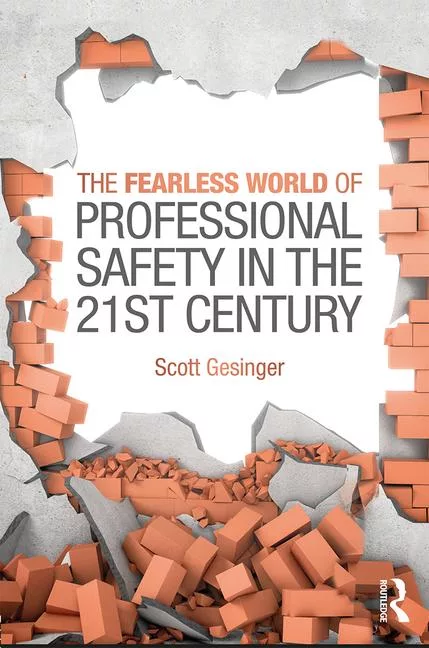
      The Fearless World of Professional Safety in the 21st Century

    See More Products

    Events

    View AllSubmit An Event
    • March 4, 2015

      ACGIH® TLV® for Heat Stress and Strain in the Context of Heat Stress Management webinar

      While the Heat Stress and Strain TLV® is designed for exposure assessment, it exists in the context of an integrated heat stress management program. This webinar will outline the components of a heat stress management program to illustrate how the TLV® can be used for exposure assessment and the development of controls.
    • October 18, 2017

      ACGIH® TLV® For Audible Sound – Understanding the Proposed Notice of Intended Change to The Acgih® Tlv® for Noise

      Occupational noise exposures represent an important but under-recognized cause of disease and disability in the United States. Now titled as Audible Sound, the ACGIH® Threshold Limit Values for Physical Agents (TLV®-PA) Committee has proposed a revision to the TLV® for Noise.
    View AllSubmit An Event

    Related Directories

    • PowerPusher® Div. of TC Nu-Star Inc.

      PowerPusher® specializes in pedestrian-operated, battery-powered, motorized tugs that safely and efficiently move from 500 pounds up to 250,000 pounds with ease. If It Rolls . . . We Can Move It.
    • Solid Hydration LLC

      SOLID.H is the only Hydration Innovation in the world! Unlike all other products, SOLID.H bypasses the gut completely and enters the bloodstream directly and instantly -- increasing electrolyte absorption by up to 10X. This makes SOLID.H the most effective, proven and convenient Heat Stress and Total Worker Health option available.
    ×

    Become a Leader in Safety Culture

    Build your knowledge with ISHN, covering key safety, health and industrial hygiene news, products, and trends.

    JOIN TODAY
    • RESOURCES
      • Advertise
      • Contact Us
      • Directories
      • Manufacturing Division
      • Store
      • Want More
    • SIGN UP TODAY
      • Create Account
      • eMagazine
      • Newsletters
      • Customer Service
      • Manage Preferences
    • SERVICES
      • Marketing Services
      • Reprints
      • Market Research
      • List Rental
      • Survey/Respondent Access
    • STAY CONNECTED
      • LinkedIn
      • Facebook
      • YouTube
      • X (Twitter)
    • PRIVACY
      • PRIVACY POLICY
      • TERMS & CONDITIONS
      • DO NOT SELL MY PERSONAL INFORMATION
      • PRIVACY REQUEST
      • ACCESSIBILITY

    Copyright ©2026. All Rights Reserved BNP Media, Inc. and BNP Media II, LLC.

    Design, CMS, Hosting & Web Development :: ePublishing