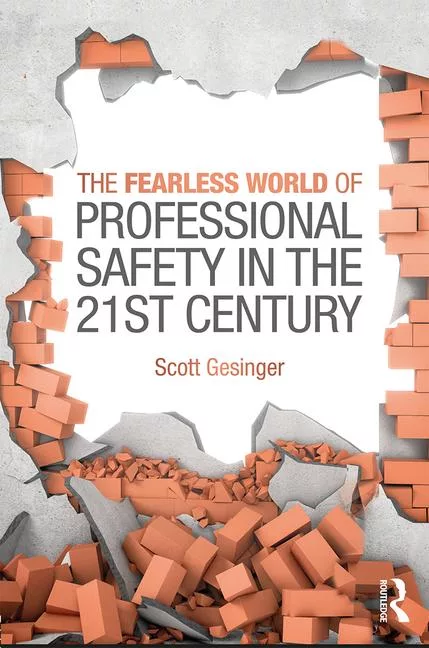
WALLS AROUND THE SAGO MINE
Dear Subscriber,
This past Monday Governor Joe Manchin of West Virginia announced a joint state and federal investigation of the Sago mine debacle.
"We're going to do this a little differently," Manchin said of the investigation at his press conference.
We can only hope - given the politics and pitfalls that plague many accident investigations. And in West Virginia there is cause for optimism.
You see, the governor was at the Sago Baptist Church that night when the families of the trapped miners awaited word. He absorbed an up-close-and-personal view of euphoria turning to rage. That scarring experience will likely propel this investigation with a grim determinedness foreign to detached blue-ribbon advisory panels or many internal company inquiries convened after major accidents.
To be sure, lots of folks were scurrying for protection after the hymns of joy sang outside the church turn to screams of "liars, liars." The Mine Safety and Health Administration, the Department of Labor, the White House, the entire mining industry, the Sago mine's owner and the media who misreported the story wasted no time in building defenses.
Fending off claims that cost-cutting might have contributed to the explosion, Wilbur L. Ross, whose investment firm owns ICG, told The New York Times his company spent $139 million to modernize its mines in 2005, and has committed $165 million to capital investments this year.
A National Mining Association spokesman weighed in, suggesting the Sago mine's safety record wasn't especially egregious. After all, he argued in press reports, regulators assigned the lowest possible penalty last year to 43 percent of the citations and orders slapped on the operation.
And as anyone with experience in accident investigations will tell you, breaking through defensive barricades fortified with statistics, benchmarks and budget figures "to find out what went wrong and fix it," in the words of West Virginia Governor Manchin, is not a job for the timid or impatient.
The governor is off to a promising start if he keeps the focus on "what" and not "who." For that's not the modus operandi of many accident investigations. Just check these news stories, not even two weeks into the new year:
Blame finds the path of least resistance...
The federal-state Sago mine investigation could also be "different" due to the counsel of Davitt McAteer, former head of MSHA under the Clinton administration. McAteer seems comfortable with system complexities, something many accident investigators don't have time for. McAteer said the Sago mine investigation will look into questions raised about the MSHA safety violations against the mine, along with what caused the explosion, how the rescue operations were carried out and the heart-wrenching communications fiasco.
Days before he was appointed the governor's personal adviser on the investigation, McAteer told The Hagerstown Herald-Mail, "What you have to say is, 'If the accident occurred, several systems failed.' We're talking serious stuff."
Indeed. You need look no further than how quickly everyone found statistics to defend themselves.
This past Monday Governor Joe Manchin of West Virginia announced a joint state and federal investigation of the Sago mine debacle.
"We're going to do this a little differently," Manchin said of the investigation at his press conference.
We can only hope - given the politics and pitfalls that plague many accident investigations. And in West Virginia there is cause for optimism.
You see, the governor was at the Sago Baptist Church that night when the families of the trapped miners awaited word. He absorbed an up-close-and-personal view of euphoria turning to rage. That scarring experience will likely propel this investigation with a grim determinedness foreign to detached blue-ribbon advisory panels or many internal company inquiries convened after major accidents.
BUILDING BARRICADES
In the normal course of investigations large and small, after a mistake, error, failure or tragedy, blame follows the path of least resistance. He with the least protection - the fewest documents, statistics, flak-catchers and attorneys to defend himself - loses.To be sure, lots of folks were scurrying for protection after the hymns of joy sang outside the church turn to screams of "liars, liars." The Mine Safety and Health Administration, the Department of Labor, the White House, the entire mining industry, the Sago mine's owner and the media who misreported the story wasted no time in building defenses.
- MSHA threw statistic after statistic up on its web site to explain itself. Inspectors spent 744 hours on-site at the mine in 2005, an 84 percent increase over 2004. Triple the number of citations, orders and safeguards were issued against the mine in 2005. But of the 208 citations issued against the mine last year, the agency wanted the public to know none involved an immediate risk of injury. To counter claims it had gone soft on the job, MSHA took five years' worth of data (fiscal years 2000 to 2005) and pointed out total "significant and substantial" citations and orders issued at coal mines increased from 23,774 to 26,779.
- International Coal Group, the mine's owner, quickly unearthed its own safety stats and accounting ledger. A senior vice president told reporters there was an 80-percent improvement in safety violations between the second and fourth quarter of 2005.
Fending off claims that cost-cutting might have contributed to the explosion, Wilbur L. Ross, whose investment firm owns ICG, told The New York Times his company spent $139 million to modernize its mines in 2005, and has committed $165 million to capital investments this year.
- At a White House press briefing, spokesman Scott McClellan said improved mine safety has been a priority for the Bush administration, despite MSHA losing 170 staff positions since 2001, $4.9 million in funding in inflation-adjusted terms for fiscal 2006, and operating under an acting administrator since November, 2004. "In fact, this administration proposed a fourfold increase in fines and penalties for violations of the Mine Safety and Health Administration rules," McClellan said.
- Attempting to put the mining industry's safety record in perspective, the president of an online publication for mine managers told The Pittsburgh Post-Gazette more than 20 times more workers died in 2004 from fishing, hunting, farming and related occupations than died from coal mining. "When an airline goes down, you don't damn the entire aviation industry," he told the paper.
A National Mining Association spokesman weighed in, suggesting the Sago mine's safety record wasn't especially egregious. After all, he argued in press reports, regulators assigned the lowest possible penalty last year to 43 percent of the citations and orders slapped on the operation.
- Slightly more than half of 250 U.S. newspapers reviewed by a Washington-based news group published front-page stories reporting the miners were found alive. How could so many be so wrong? "I don't regard it as our error, but as an error by the people in charge of the rescue," said the executive editor of The Washington Post. "The best information would have come from mine company officials, but they chose not to talk," explained the Associated Press's managing editor.
- The 13 miners of course were defended, too. What were they to do, trapped in blackness behind thick smoke and debris more than 12,000 feet into a 5 1/2-foot tall tunnel? After realizing there was no way out, they barricaded themselves in an alcove behind a plastic curtain used to direct air in mines, explained a former mine rescue team captain to a Missouri newspaper. "They did everything right. They just ran out of air on their rebreathers."
FORMIDABLE OBSTACLES
Mark Twain once said it - there are three types of lies: lies, damn lies and statistics.And as anyone with experience in accident investigations will tell you, breaking through defensive barricades fortified with statistics, benchmarks and budget figures "to find out what went wrong and fix it," in the words of West Virginia Governor Manchin, is not a job for the timid or impatient.
The governor is off to a promising start if he keeps the focus on "what" and not "who." For that's not the modus operandi of many accident investigations. Just check these news stories, not even two weeks into the new year:
- The Houston Chronicle takes BP to task for its internal report that the paper said tried to blame relatively low-level employees as the root cause for the explosion that killed 15 people and injured 170 more at a BP refinery in Texas last March. The consequences of that investigation? A new plant manager was brought in, some union employees fired, corporate coffers opened for safety improvements and the facility shut down for overdue maintenance, according to the paper.
Blame finds the path of least resistance...
- The Columbus Dispatch reports dozens of sickened factory workers are still out of work five years after an outbreak of respiratory ailments linked to bacteria in metalworking fluids at a TRW plant in Ohio. Federal investigators never determined an exact cause, although they did conclude it was work-related. Workers claimed the company wouldn't allow them to open doors or turn on exhaust fans because it wanted to save on energy costs. TRW said it never knowingly put its employees at risk. A stalemate, with nothing learned or shared to prevent another outbreak sometime, somewhere.
The federal-state Sago mine investigation could also be "different" due to the counsel of Davitt McAteer, former head of MSHA under the Clinton administration. McAteer seems comfortable with system complexities, something many accident investigators don't have time for. McAteer said the Sago mine investigation will look into questions raised about the MSHA safety violations against the mine, along with what caused the explosion, how the rescue operations were carried out and the heart-wrenching communications fiasco.
Days before he was appointed the governor's personal adviser on the investigation, McAteer told The Hagerstown Herald-Mail, "What you have to say is, 'If the accident occurred, several systems failed.' We're talking serious stuff."
Indeed. You need look no further than how quickly everyone found statistics to defend themselves.
Looking for a reprint of this article?
From high-res PDFs to custom plaques, order your copy today!