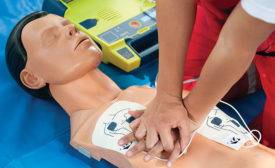
Most U.S. employees are not prepared to handle cardiac emergencies in the workplace because they lack training in CPR and First Aid, according to new survey results from the American Heart Association (AHA), the world’s leading voluntary health organization devoted to fighting cardiovascular disease.
The data from OSHA are grim: Every year, 10,000 Americans die at work from sudden cardiac arrest (SCA), or approximately 13 percent of all occupational deaths.
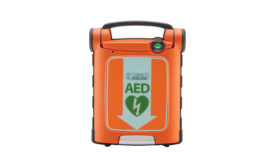
About 10,000 sudden cardiac arrests (SAC) occur each year while the victims are working, according to OSHA. How many employees do you think are reluctant to come to their aid using automated external defibrillators (AEDs) due to the fear of being sued if something goes wrong?
Just as businesses conduct spring cleaning to discard unwanted items, this season should be used as an opportunity to rid the workplace of poor safety habits.
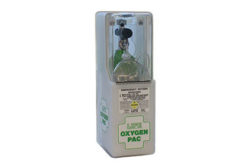
LIFE® OxygenPac is an easily portable, wall-mounted Emergency Oxygen unit for onsite first-aid and safety programs to give crucial lifesaving oxygen until medical help arrives.