ISHN logo
search
cart
facebook twitter linkedin youtube
  • Sign In
  • Create Account
  • Sign Out
  • My Account
ISHN logo
  • NEWS
    • Today's News
    • Global Safety News
    • Government Regulations
  • PRODUCTS
    • Product Innovations
    • Featured Products
  • TOPICS
    • Environmental Health and Safety
    • Facility Safety
    • Workplace Health
    • Occupational Safety
    • PPE
    • More Topics
  • CONSTRUCTION
  • TECHNOLOGY
  • COLUMNS
    • Best Practices
    • Dave Johnson: What’s going on
    • Editorial Comments
    • Leading Safety
  • MULTIMEDIA
    • ISHN Podcast
    • Videos
    • Cold Stress Education Quiz
    • Webinars
    • White Papers
  • MORE
    • Buyer's Guide
    • Newsletters
    • Convention Companion
    • Polls
    • Events
    • ISHN Store
    • Sponsor Insights
  • EMAGAZINE
    • eMagazine
    • Archived Issues
    • Contact
    • Advertise
  • JOIN TODAY!
Today's Safety NewsEnvironmental Health and SafetyWorkplace Safety Culture

2024 NSC Safety Congress & Expo

Tidal wave of change predicted for safety

By Dave Johnson
safety-engagement-culture-collaboration
Getty Images

Credit: isayildiz / E+ / Getty Images Plus

September 20, 2024

Orlando — Education class speakers at this year’s National Safety Congress & Expo, exhibit vendors and those with a big picture view of trends in occupational safety and health all agree on one prediction: how safety is practiced in the workplace will change dramatically in the next 5 years.

Several drivers are at play:

Changing of the guard: A helmet vendor here talks of iron workers with 30 years’ experience refusing to wear safety helmets without brims. They’ve always worn brims. One said he’d retire if forced to wear a brimless helmet, according to the CEO of this helmet manufacturer, who spoke with the iron worker in a focus group. “Longtime workers think brimless helmets, resembling cycling or ski helmets, look ugly,” says the CEO.

As blue collar workers with 30-40-50-years of experience in fact do retire, they are being replaced by a younger workforce that, generally speaking, have no issues with new styles of safety helmets. They tend to be more health and well-being conscious and want quality protection. “When we surveyed older workers, safety was honestly the fourth or fifth priority for what they wanted in a helmet. By far the first criteria was looks. They wanted to look good in a helmet,” says the helmet CEO. (The same attitude applies to safety eyewear, which for years has taken on sleek consumer styling.)

Younger workers, again in general, are the ones wearing smart watches because they want to know how much quality sleep they are getting, and other health metrics such as heart beat rate, blood pressure and how many steps they’ve taken today, how many calories lost. They are more apt to be bikers, hikers, rock climbers, adventurers and see the need for personal protection.

AI is everywhere: One exhibitor manufactures a sensor that can be placed inside a safety helmet, on a fall protection harness and in a safety vest that connects to an app on a smart phone. Ninety percent of the workforce now brings their smartphones to work. Each worker who wears a helmet with this sensor embedded, and indicated by a symbol on the outside of the helmet shell, has loaded personal information which can include his or her name, age, occupation, work location, height, weight, safety training and certification updates, medical history, qualifications to use specific equipment such as fork lifts or working at heights and so on.

The amount of info provided by each worker is left to the worker to decide, unless dictated by company policy. It does not go to any third party or stored in the cloud. The information can be tapped by touching the sensor symbol on the outside of the helmet, either by the wearer or a co-worker, if the worker falls (most falls occur from heights less than six feet) or is caught between objects that could crush his or her head. The data is sent by the smartphone app to the safety department or other personnel for immediate emergency response.

AI technology will increase emergency response times. Increase smartphone reporting of hazards, incidents, near misses and other situations and concerns. Increase the amount of data available for analysis and predicting injury and illness trends – who is most likely to be injured, sustaining what type of injury, when the incident is most likely to happen, and where.

Soon to come to market are PPE sensors that will give safety pros aggregate information such as the percentage of safety helmets or fall protection equipment inspected in the past month, six months, year, or any time period. These new AI-generated databases will give pros a holistic overview of PPE use, condition and compliance. Overviews of entire safety management programs using any number of metrics and indicators will also be used.

The trickle-down effect: Right now AI safety and health products are being tested and used by mostly the largest high-risk companies with safety budgets that can afford a $150 safety helmet with embedded sensor. This is AI safety’s advance guard. But in coming years, as more safety pros become educated about AI applications and the learning curve levels off with greater overall awareness and acceptance of AI apps, and employee privacy concerns are addressed, AI use will trickle down from the “big boys with deep pockets” to mid-size and even smaller companies. Especially those in high-risk industries and those who must follow supply chain safety dictates from larger general contractors and manufacturers.

The question today is not if AI and changing worker demographics will transform safety and health practices, but how long the process will take. Most thought leaders see this occurring in the next five years. You only need to look back five years to 2019. Technology innovations were just beginning to come into safety, and then delayed by the pandemic years. Today technology dominates exhibit space and education sessions at conference such as the NSC. So in five years…

KEYWORDS: NSC Congress & Expo

Share This Story

Looking for a reprint of this article?
From high-res PDFs to custom plaques, order your copy today!

Djohnson new pic 7.10.22

Dave Johnson was chief editor of ISHN from 1980 until early 2020. He uses his decades of expertise to write on hot topics and current events in the world of safety. He also writes and edits at Dave Johnson’s Writing Shop LLC and is editor-at-large for ISHN. Find him at https://www.facebook.com/Dave-Johnsons-Writing-Shop-101316571547263/, and on LinkedIn at https://www.linkedin.com/in/daveljohnsoneditor/.

Recommended Content

JOIN TODAY
to unlock your recommendations.

Already have an account? Sign In

  • forklift safety

    Exploring the latest technologies in forklift safety

    With more staff and more stock in warehousing now more...
    Workplace Training Strategies
    By: Josh Cramer
  • welding

    All about welder’s flash or arc eye

    A flash burn is a painful inflammation of the cornea,...
    Environmental Health and Safety
  • dangerous jobs

    The 10 most dangerous jobs in the U.S.

    On-the-job deaths have been rising — hitting the highest...
    Transportation Safety
    By: Benita Mehta
Manage My Account
  • eMagazine Subscriptions
  • ISHN Newsletter & Other Newsletter Alerts
  • Online Registration
  • Manage My Preferences
  • Subscription Customer Service

More Videos

Sponsored Content

Sponsored Content is a special paid section where industry companies provide high quality, objective, non-commercial content around topics of interest to the ISHN audience. All Sponsored Content is supplied by the advertising company and any opinions expressed in this article are those of the author and not necessarily reflect the views of ISHN or its parent company, BNP Media. Interested in participating in our Sponsored Content section? Contact your local rep!

close
  • man wearing the the Sundström SR200 Full Face Mask Respirator
    Sponsored byOHD

    5 Fit Testing Mistakes That Could Cost You

  • This image shows Magid AcuSpex polarized blue mirrored safety glasses.
    Sponsored byMagid Glove and Safety

    Construction PPE Guide: What Crews Need for Each Task

  • lone worker in confined space
    Sponsored byAlphasense Ltd.

    GET THE LEAD OUT of your Safety Oxygen Sensors!

Popular Stories

SpaceX 7 launch

OSHA Investigating Fatal Fall at SpaceX Starbase

Worker Impairment

How to Tell When a Co-Worker is Impaired? A Safety Pro’s Challenge

psychology in the workplace

Most Workplaces Measure Psychological Safety, Ignoring Psychosocial Risks

top 10 most dangerous jobs

Poll

Seasonal Readiness

With the federal heat stress prevention rule on the horizon, which area of your safety program needs the most attention?
View Results Poll Archive

Products

Surviving an OSHA Audit A Management Guide, 2nd Edition

Surviving an OSHA Audit A Management Guide, 2nd Edition

See More Products

ISHN Podcasts

Related Articles

  • Herb Niles on sales & management: As time flies by, is a turnover tidal-wave approaching?

    See More
  • winter

    Brace yourself: Snow, freezing rain predicted for South

    See More
  • No recession, no rapid expansion predicted for 2016 economy

    See More

Related Products

See More Products
  • human resources.jpg

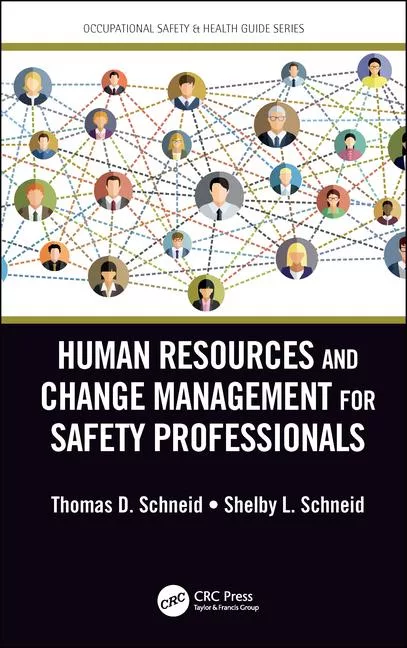
    Human Resources and Change Management for Safety Professionals

See More Products

Events

View AllSubmit An Event
  • October 18, 2017

    ACGIH® TLV® For Audible Sound – Understanding the Proposed Notice of Intended Change to The Acgih® Tlv® for Noise

    Occupational noise exposures represent an important but under-recognized cause of disease and disability in the United States. Now titled as Audible Sound, the ACGIH® Threshold Limit Values for Physical Agents (TLV®-PA) Committee has proposed a revision to the TLV® for Noise.
  • March 26, 2026

    Electrical Safety Essentials: A Practical Guide for Safety Professionals

    ON DEMAND: This one-hour webinar provides general safety professionals with a practical, non-technical overview of electrical hazards, injury mechanisms, and prevention strategies aligned with OSHA 29 CFR 1910 Subpart S and related standards.
View AllSubmit An Event
×

Become a Leader in Safety Culture

Build your knowledge with ISHN, covering key safety, health and industrial hygiene news, products, and trends.

JOIN TODAY
  • RESOURCES
    • Advertise
    • Contact Us
    • Directories
    • Manufacturing Division
    • Store
    • Want More
  • SIGN UP TODAY
    • Create Account
    • eMagazine
    • Newsletters
    • Customer Service
    • Manage Preferences
  • SERVICES
    • Marketing Services
    • Reprints
    • Market Research
    • List Rental
    • Survey/Respondent Access
  • STAY CONNECTED
    • LinkedIn
    • Facebook
    • YouTube
    • X (Twitter)
  • PRIVACY
    • PRIVACY POLICY
    • TERMS & CONDITIONS
    • DO NOT SELL MY PERSONAL INFORMATION
    • PRIVACY REQUEST
    • ACCESSIBILITY

Copyright ©2026. All Rights Reserved BNP Media, Inc. and BNP Media II, LLC.

Design, CMS, Hosting & Web Development :: ePublishing