ANSI/ISEA 138 is a work in progress. The second consensus ballot/public review draft was released in October, 2018.
February 7, 2019
There are 110,000 lost-time hand injuries annually. Hand injuries send more than one million workers to the emergency room each year. And 70 percent of workers who experience hand injuries are not wearing gloves.
In recent years, technology advancement has allowed manufacturers to create more sophisticated yarns that improve glove performance significantly. The level of cut protection can be increased by using high-performance materials, and by increasing a material's weight.
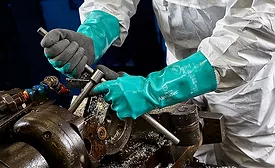
Selecting chemical protective gloves is a crucial, yet challenging task for safety managers worldwide. Complex portfolios are made even more complicated by evolving standards and regulations, making compliance increasingly difficult in today’s work environments.
OSHA’s machine guarding standard was the ninth-most-frequently cited agency standard in FY 2018.
January 1, 2019
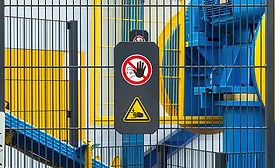
Machine safeguarding is the best way to prevent amputations. Guards provide physical barriers to hazardous areas. They should be secure and strong, and workers should not be able to by-pass, remove or tamper. Guards should not obstruct the operator’s view or prevent others from working.
The International Safety Equipment Association (ISEA) reports struck-by falling objects result in hundreds of fatalities annually and thousands of injuries. In 2016, the Bureau of Labor Statistics reported 255 fatalities and 47,920 injuries from dropped objects in the United States.
Work started on Z10 in March, 1999. Almost 100 safety and health professionals spent six years drafting and reworking the document. The Z10 standard for occupational health and safety management systems (OHSMS) is now titled ANSI/ASSP Z10-2012 (R2017).
It’s hard to fathom that in this day and age of real-time data, education and technology, worker fatalities in the U.S. have actually increased (up 7 percent in 2016 according to the Bureau of Labor Statistics).
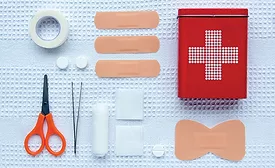
OSHA's standard for first aid training in general industry (29 CFR 1910.151(b)) and construction (29 CFR 1926.50(c)) require that an employer must ensure prompt first aid treatment for injured employees.
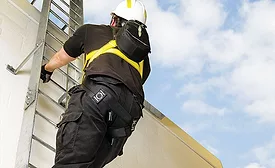
Falling from height is one of the leading causes of work-related injuries and death. The U.S. Bureau of Labor Statistics documents nearly 750 fall-related fatalities a year and another 300,000 nonfatal falls. More surprising than even that? Every single fall is 100-percent preventable.
In 2015 there were 519 fatalities from being struck by an object or equipment in the U.S., according to the Bureau of Labor Statistics. In response, ISEA and leading safety equipment manufacturers have joined together to protect workers from objects falling from heights.