ISHN logo
search
cart
facebook twitter linkedin youtube
  • Sign In
  • Create Account
  • Sign Out
  • My Account
ISHN logo
  • NEWS
    • Today's News
    • Global Safety News
    • Government Regulations
  • PRODUCTS
    • Product Innovations
    • Featured Products
  • TOPICS
    • Environmental Health and Safety
    • Facility Safety
    • Workplace Health
    • Occupational Safety
    • PPE
    • More Topics
  • CONSTRUCTION
  • TECHNOLOGY
  • COLUMNS
    • Best Practices
    • Dave Johnson: What’s going on
    • Editorial Comments
    • Leading Safety
  • MULTIMEDIA
    • ISHN Podcast
    • Videos
    • Cold Stress Education Quiz
    • Webinars
    • White Papers
  • MORE
    • Buyer's Guide
    • Newsletters
    • Convention Companion
    • Polls
    • Events
    • ISHN Store
    • Sponsor Insights
  • EMAGAZINE
    • eMagazine
    • Archived Issues
    • Contact
    • Advertise
  • JOIN TODAY!
Columns

MANAGING BEST PRACTICES: Children's environmental health:

By Dan Markiewicz MS, CIH, CSP, RMP
January 11, 2009


Children’s environmental health will be a priority in the Obama administration. For us EHS pros this means we should prepare for a renewed emphasis on reproductive health hazards.

Under the Clinton Administration, EPA considered children’s environmental health to include risks such as parental occupational exposures to toxicants before conceiving a child and maternal exposures during gestation. Going forward, whenever you hear or read the term “pregnant” insert the term “child” and whenever the term “environment” comes up be aware that it may include the workplace.

Trendlines

In January 2008, EPA announced the agency awarded more than $500,000 in grants to state health agencies to help reduce environmental risks to pregnant women. EPA’s news release said that pregnancy is a time for joy and celebration, “but it is also a time to be especially careful about the environment in which one works and lives.” The emphasis on work is mine, but it draws a focus on this growing issue.

EPA issued new rules to protect children against lead-based paint hazards in March 2008. The rules specifically address pregnant women, too. Barack Obama felt that the EPA rules left too many pregnant women and children unprotected and he promised more stringent legislation.

In September 2008, Obama joined Sen. Clinton to cosponsor S. 3495: Protect Pregnant Women and Children from Dangerous Lead Exposures Act of 2008.

Research dollars

In October 2008, Michigan’s ailing economy received good news when the National Institute of Health doled out $57 million in funding to the state’s top research universities to carry out their role in the National Children’s Study.

Likewise, Florida, through the University of Miami Medical School, is smiling about their October 2008 receipt of $54.6 million dollars for their part in the NCS.

Subtle point, huge issue

The study on children’s health begins before birth; which means the study will include information on parental exposures before conceiving a child and maternal exposures during pregnancy.

Occupational exposures are included in the study. Workplace information will be acquired through interviews, completed questionnaires, and from tissue (e.g. blood, urine, sperm and hair and biological and chemical samples). Although most samples will be collected from the home environment, researchers will not be precluded from determining if the exposures have a workplace origin. For example, if researchers find lead in tissue samples or lead contamination in the home they may track its source back to the workplace.

Politics

The NCS was a concept that originated with President Clinton’s May 1997 Executive Order 13045 on the Protection of Children from Environmental Risks and Safety Risks. Congress authorized the NCS under the Children’s Health Act of 2000.

President Bush did not favor Clinton’s executive order on children’s environmental health, and by 2005 the Bush administration effectively shut the order down.

The Bush administration’s “neglect” is now being investigated by the Government Accountability Office (GAO). Its first report was released on September 16, 2008. Sen. Clinton’s response to the GAO report: “Ten years after the landmark work of the Clinton Administration, this is the state of children’s health protection at the EPA: no leadership, no resources, no initiative, and no real mission. It’s a disaster and it’s a disgrace, and we have to fix it.”

Global leadership

President Clinton’s order paved the way for the U.S. to lead the world in children’s environmental health. Bush’s actions slowed the country down and by 2004 Europe leapfrogged past America when it established and began carrying out the Children’s Environment and Action Plan for Europe (CEHAPE).

One thing is certain: change is coming and you need to be prepared. For example, if your workplace is located in one of the NCS locations (counties) your facility’s OSHA and EPA hazard and risk communication programs should be complementary and kept up-to-date.

Share This Story

Looking for a reprint of this article?
From high-res PDFs to custom plaques, order your copy today!

Dan Markiewicz, MS, CIH, CSP, RMP, is an independent environmental health and safety consultant and a long-time columnist. He can be reached at (419) 356-3768 or by email at dan.markiewicz@gmail.com.

Recommended Content

JOIN TODAY
to unlock your recommendations.

Already have an account? Sign In

  • forklift safety

    Exploring the latest technologies in forklift safety

    With more staff and more stock in warehousing now more...
    Workplace Training Strategies
    By: Josh Cramer
  • welding

    All about welder’s flash or arc eye

    A flash burn is a painful inflammation of the cornea,...
    Environmental Health and Safety
  • dangerous jobs

    The 10 most dangerous jobs in the U.S.

    On-the-job deaths have been rising — hitting the highest...
    Construction Industry Safety and Health
    By: Benita Mehta
Manage My Account
  • eMagazine Subscriptions
  • ISHN Newsletter & Other Newsletter Alerts
  • Online Registration
  • Manage My Preferences
  • Subscription Customer Service

More Videos

Sponsored Content

Sponsored Content is a special paid section where industry companies provide high quality, objective, non-commercial content around topics of interest to the ISHN audience. All Sponsored Content is supplied by the advertising company and any opinions expressed in this article are those of the author and not necessarily reflect the views of ISHN or its parent company, BNP Media. Interested in participating in our Sponsored Content section? Contact your local rep!

close
  • man wearing the the Sundström SR200 Full Face Mask Respirator
    Sponsored byOHD

    5 Fit Testing Mistakes That Could Cost You

  • This image shows Magid AcuSpex polarized blue mirrored safety glasses.
    Sponsored byMagid Glove and Safety

    Construction PPE Guide: What Crews Need for Each Task

  • lone worker in confined space
    Sponsored byAlphasense Ltd.

    GET THE LEAD OUT of your Safety Oxygen Sensors!

Popular Stories

SpaceX 7 launch

OSHA Investigating Fatal Fall at SpaceX Starbase

Worker Impairment

How to Tell When a Co-Worker is Impaired? A Safety Pro’s Challenge

psychology in the workplace

Most Workplaces Measure Psychological Safety, Ignoring Psychosocial Risks

top 10 most dangerous jobs

Poll

Seasonal Readiness

With the federal heat stress prevention rule on the horizon, which area of your safety program needs the most attention?
View Results Poll Archive

Products

Surviving an OSHA Audit A Management Guide, 2nd Edition

Surviving an OSHA Audit A Management Guide, 2nd Edition

See More Products

ISHN Podcasts

Related Articles

  • MANAGING BEST PRACTICES: The National Children's Study:

    See More
  • MANAGING BEST PRACTICES: How to implement best practices

    See More
  • MANAGING BEST PRACTICES: "Managing Worker Safety and Health"

    See More

Related Products

See More Products
  • 9781264257829_24.jpeg

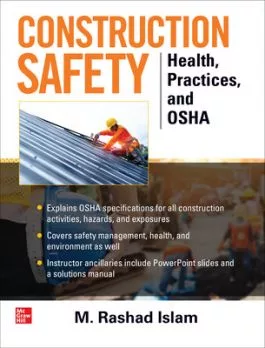
    Construction Safety: Health, Practices and OSHA

See More Products
×

Become a Leader in Safety Culture

Build your knowledge with ISHN, covering key safety, health and industrial hygiene news, products, and trends.

JOIN TODAY
  • RESOURCES
    • Advertise
    • Contact Us
    • Directories
    • Manufacturing Division
    • Store
    • Want More
  • SIGN UP TODAY
    • Create Account
    • eMagazine
    • Newsletters
    • Customer Service
    • Manage Preferences
  • SERVICES
    • Marketing Services
    • Reprints
    • Market Research
    • List Rental
    • Survey/Respondent Access
  • STAY CONNECTED
    • LinkedIn
    • Facebook
    • YouTube
    • X (Twitter)
  • PRIVACY
    • PRIVACY POLICY
    • TERMS & CONDITIONS
    • DO NOT SELL MY PERSONAL INFORMATION
    • PRIVACY REQUEST
    • ACCESSIBILITY

Copyright ©2026. All Rights Reserved BNP Media, Inc. and BNP Media II, LLC.

Design, CMS, Hosting & Web Development :: ePublishing