 Many cardiac patients are not giving healthy eating a high priority because some of their medical conditions are being controlled by drugs, according to a new study, which finds that practice can increase the risk of recurrent heart attacks.
“At times, patients don’t think they need to follow a healthy diet since their medications have already lowered their blood pressure and cholesterol — that is wrong,” said Mahshid Dehghan, Ph.D., study author and a nutritionist at the Population Health Research Institute, McMaster University in Hamilton, Ontario, Canada. “Dietary modification has benefits in addition to those seen with aspirin, angiotensin modulators, lipid-lowering agents and beta blockers.”
For Dehghan’s study, published in the American Heart Association journal Circulation, he and his team questioned 31,546 adults (average age 66.5) with cardiovascular disease or end organ damage about how often they consumed milk, vegetables, fruits, grains, fish, meat and poultry in the past 12 months. They were also asked about lifestyle choices such as alcohol consumption, smoking and exercise. Total scores were determined by daily fruits, vegetables, grains and milk consumed and the ratio of fish to meats consumed.
During a follow-up of nearly five years, participants experienced 5,190 cardiovascular events.
Researchers found those who ate a heart-healthy diet had a:
- 35 percent reduction in risk for cardiovascular death;
- 14 percent reduction in risk for new heart attacks;
- 28 percent reduction in risk for congestive heart failure; and
- 19 percent reduction in risk for stroke.
Food habits in different regions of the world varied considerably; however, a healthy diet was associated with prevention of recurrent cardiovascular disease throughout the world in countries with different economic levels, Dehghan said.
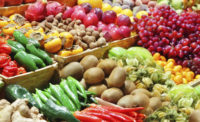
A diet rich in vegetables and fruits with a higher ratio of fish to meats appeared to be more beneficial for preventing heart disease than for preventing cancer, fractures or injury.
“Physicians should advise their high-risk patients to improve their diet and eat more vegetables, fruits, grains and fish,” Dehghan said. “This could substantially reduce cardiovascular recurrence beyond drug therapy alone and save lives globally.”
Co-authors are Andrew Mente, Ph.D.; Koon K. Teo, Ph.D.; Peggy Gao, M.Sc.; Peter Sleight, D.M.; Gilles Dagenais, M.D.; Alvaro Avezum, M.D.; Jeffrey L. Probstfield, M.D.; Tony Dans, M.D.; and Salim Yusuf, D.Phil. Author disclosures are on the manuscript.