ISHN logo
search
cart
facebook twitter linkedin youtube
  • Sign In
  • Create Account
  • Sign Out
  • My Account
ISHN logo
  • NEWS
    • Today's News
    • Global Safety News
    • Government Regulations
  • PRODUCTS
    • Product Innovations
    • Featured Products
  • TOPICS
    • Environmental Health and Safety
    • Facility Safety
    • Workplace Health
    • Occupational Safety
    • PPE
    • More Topics
  • CONSTRUCTION
  • TECHNOLOGY
  • COLUMNS
    • Best Practices
    • Dave Johnson: What’s going on
    • Editorial Comments
    • Leading Safety
  • MULTIMEDIA
    • ISHN Podcast
    • Videos
    • Cold Stress Education Quiz
    • Webinars
    • White Papers
  • MORE
    • Buyer's Guide
    • Newsletters
    • Convention Companion
    • Polls
    • Events
    • ISHN Store
    • Sponsor Insights
  • EMAGAZINE
    • eMagazine
    • Archived Issues
    • Contact
    • Advertise
  • JOIN TODAY!
Today's Safety News

"Historic" meeting held between OSHA, state occ safety reps (3/15)

March 15, 2011


Public health officials from around the country recently attended a two-day meeting in Washington, D.C., with staff from OSHA, the National Institute for Occupational Safety and Health (NIOSH), and the Bureau of Labor Statistics (BLS) to discuss common goals and means of improving joint efforts to protect the health of workers.

The meeting, held March 9-10 in Washington, D.C., included dozens of attendees from a variety of federal, regional and state occupational health and safety programs.

Since the early 1980s, NIOSH has provided funding to state agencies to conduct surveillance of work-related health conditions and related prevention activities. The number of states receiving funding has increased over the years and today 23 states have funding to conduct at least a minimum level of occupational health surveillance activities. An even larger group of states monitors lead hazards and blood lead levels under cooperative arrangements.

While some of these state programs have long histories of working with regional OSHA offices or state OSHA plans, others are in early stages of development. This was the first time that a national meeting between CSTE and OSHA has been held to cement this relationship.

In opening the historic session, OSHA Assistant Secretary David Michaels, an occupational epidemiologist by training, welcomed the state officials as partners in efforts to translate research into actions that can reduce the problem of injury and illness caused by work and that identify and reduce hazards. Michaels urged attendees to work together to collect and analyze data in order to focus resources on emerging problems, to measure the agency’s impact, and to improve information for development of standards.

Representing the OSHA field operations, Regional Administrator (and meeting co-chair) Marthe Kent related the scope of health referrals that had come to Region 1 from state officials and how those referrals resulted in effective enforcement actions.

During the meeting, several national office OSHA staff briefed state health officials on OSHA programs, including regulatory agenda items and emphasis programs. In breakout sessions that included both federal and state professionals, groups discussed best practices for providing high quality referrals to OSHA, data needs for standards development and recordkeeping issues, and means and focus of education and outreach efforts. The groups also discussed means of improving future dialog between OSHA regional and area offices and state health officials.

The meeting was put together by OSHA staff and the Occupational Health Subcommittee of the Council of State and Territorial Epidemiologists (CSTE), and made possible by continued NIOSH support, provided a forum for working through issues around communication, mutual assistance, and data needs between OSHA and public health agencies.

Share This Story

Looking for a reprint of this article?
From high-res PDFs to custom plaques, order your copy today!

Recommended Content

JOIN TODAY
to unlock your recommendations.

Already have an account? Sign In

  • forklift safety

    Exploring the latest technologies in forklift safety

    With more staff and more stock in warehousing now more...
    Workplace Training Strategies
    By: Josh Cramer
  • welding

    All about welder’s flash or arc eye

    A flash burn is a painful inflammation of the cornea,...
    Environmental Health and Safety
  • dangerous jobs

    The 10 most dangerous jobs in the U.S.

    On-the-job deaths have been rising — hitting the highest...
    Transportation Safety
    By: Benita Mehta
Manage My Account
  • eMagazine Subscriptions
  • ISHN Newsletter & Other Newsletter Alerts
  • Online Registration
  • Manage My Preferences
  • Subscription Customer Service

More Videos

Sponsored Content

Sponsored Content is a special paid section where industry companies provide high quality, objective, non-commercial content around topics of interest to the ISHN audience. All Sponsored Content is supplied by the advertising company and any opinions expressed in this article are those of the author and not necessarily reflect the views of ISHN or its parent company, BNP Media. Interested in participating in our Sponsored Content section? Contact your local rep!

close
  • man wearing the the Sundström SR200 Full Face Mask Respirator
    Sponsored byOHD

    5 Fit Testing Mistakes That Could Cost You

  • This image shows Magid AcuSpex polarized blue mirrored safety glasses.
    Sponsored byMagid Glove and Safety

    Construction PPE Guide: What Crews Need for Each Task

  • lone worker in confined space
    Sponsored byAlphasense Ltd.

    GET THE LEAD OUT of your Safety Oxygen Sensors!

Popular Stories

SpaceX 7 launch

OSHA Investigating Fatal Fall at SpaceX Starbase

Worker Impairment

How to Tell When a Co-Worker is Impaired? A Safety Pro’s Challenge

psychology in the workplace

Most Workplaces Measure Psychological Safety, Ignoring Psychosocial Risks

top 10 most dangerous jobs

Poll

Seasonal Readiness

With the federal heat stress prevention rule on the horizon, which area of your safety program needs the most attention?
View Results Poll Archive

Products

Surviving an OSHA Audit A Management Guide, 2nd Edition

Surviving an OSHA Audit A Management Guide, 2nd Edition

See More Products

ISHN Podcasts

Related Articles

  • OSHA fines Guam contractor $139,500 for hazardous conditions at barracks, worksite (3/15)

    See More
  • Cal/OSHA shuts down construction project citing inadequate protection for workers (3/15)

    See More
  • CSB head lauds plumbers for adopting new safety requirements (3/15)

    See More

Related Products

See More Products
  • 9780849365461.jpg

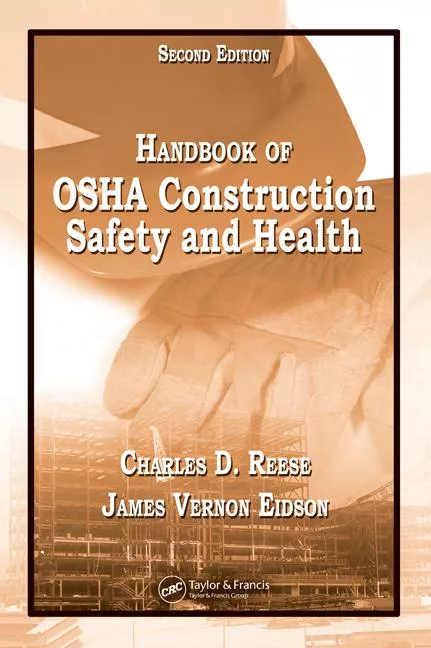
    Handbook of OSHA Construction Safety and Health, Second Edition

  • 9781264257829_24.jpeg

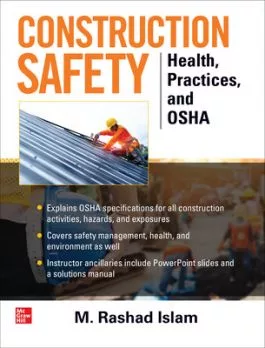
    Construction Safety: Health, Practices and OSHA

  • 0470074868vol3.jpg

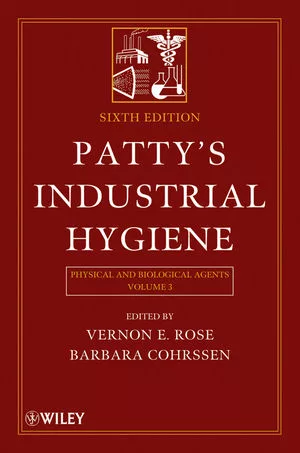
    Patty's Industrial Hygiene, Volume 3, Physical and Biological Agents , 6th Edition

See More Products
×

Become a Leader in Safety Culture

Build your knowledge with ISHN, covering key safety, health and industrial hygiene news, products, and trends.

JOIN TODAY
  • RESOURCES
    • Advertise
    • Contact Us
    • Directories
    • Manufacturing Division
    • Store
    • Want More
  • SIGN UP TODAY
    • Create Account
    • eMagazine
    • Newsletters
    • Customer Service
    • Manage Preferences
  • SERVICES
    • Marketing Services
    • Reprints
    • Market Research
    • List Rental
    • Survey/Respondent Access
  • STAY CONNECTED
    • LinkedIn
    • Facebook
    • YouTube
    • X (Twitter)
  • PRIVACY
    • PRIVACY POLICY
    • TERMS & CONDITIONS
    • DO NOT SELL MY PERSONAL INFORMATION
    • PRIVACY REQUEST
    • ACCESSIBILITY

Copyright ©2026. All Rights Reserved BNP Media, Inc. and BNP Media II, LLC.

Design, CMS, Hosting & Web Development :: ePublishing