ISHN logo
search
cart
facebook twitter linkedin youtube
  • Sign In
  • Create Account
  • Sign Out
  • My Account
ISHN logo
  • NEWS
    • Today's News
    • Global Safety News
    • Government Regulations
  • PRODUCTS
    • Product Innovations
    • Featured Products
  • TOPICS
    • Environmental Health and Safety
    • Facility Safety
    • Workplace Health
    • Occupational Safety
    • PPE
    • More Topics
  • CONSTRUCTION
  • TECHNOLOGY
  • COLUMNS
    • Best Practices
    • Dave Johnson: What’s going on
    • Editorial Comments
    • Leading Safety
  • MULTIMEDIA
    • ISHN Podcast
    • Videos
    • Cold Stress Education Quiz
    • Webinars
    • White Papers
  • MORE
    • Buyer's Guide
    • Newsletters
    • Convention Companion
    • Polls
    • Events
    • ISHN Store
    • Sponsor Insights
  • EMAGAZINE
    • eMagazine
    • Archived Issues
    • Contact
    • Advertise
  • JOIN TODAY!
Psychology in the Workplace

Seeing your way to working safely

By E. Scott Geller
May 8, 2000
Last month, I discussed ten techniques to help us manage our own safety when we're working without supervision or peer support, and this month I want to go into more detail about one of those methods – the use of mental imagery. Mental imagery is using our 'mind's eye' to picture situations without actually experiencing them. It's something we do every day.

When we look forward to a particular event, for instance, we use imagery. Picturing pleasant consequences can lead to excitement, even an emotional high. In contrast, imagining negative outcomes can evoke fear. One of the most effective ways to relieve distress or anxiety is to visualize yourself in a serene and relaxing setting (like lying on a sandy beach and hearing the calming rhythm of the ocean waves, and feeling the warm sun and cool breeze).

When you think about the behavioral steps or procedures needed to complete a task, you're using mental images to rehearse the job. Before their performances, athletes practice their sport mentally, actors run through their lines and stage positions in their mind's eye, surgeons mentally rehearse the steps of a complex operation, and musicians imagine playing or singing the right notes on key and on time. Public speakers often practice their lines mentally just prior to their actual delivery.

Research has shown significant benefits of mental rehearsal, whether practicing an athletic skill, an occupational task, or a script of dialogue.

It's not clear whether the mental rehearsal actually strengthens the correct behavior or merely increases one's motivation to perform at a higher level. We don't know why mental rehearsal improves performance, only that it does.

Now what does all this mean for health and safety in the workplace?

Making the connection

I could not find any research on the effects of imagery on safety-related behavior. But given the variety of performance behaviors that have benefited from this practice, it's obviously a useful tool to prevent injury. We can mentally rehearse images to anticipate and prepare for tasks. Imagery can direct our behavior (as an activator) or motivate our behavior (as a consequence). For safety self-management you can use imagery to:

  • Clarify your safety goals;

  • Enhance your motivation to choose the safest behavior;

  • Build your self-efficacy, personal control, or optimism;

  • Rehearse safe acts and actively caring behaviors;

  • Reward yourself for success at self-management.

Your imagery can activate a chain of safe operating procedures, as well as motivate action. Motivation comes from imagining potential consequences following safe versus at-risk behavior. Figure 1 depicts a negative consequence you might visualize to motivate use of personal protective equipment. This image also suggests the safe behavior needed to avoid injury, making it both directing and motivating.

It's often more useful to create a mental picture of positive consequences resulting from your safe actions. Focusing on positive outcomes can increase your confidence in being successful, as well as increase your desire to reach your goals.

Here's how to use mental imagery to manage your own safety:

  • See yourself performing the appropriate safe behavior with ease and convenience;

  • Visualize avoiding specific negative consequences with the safe behavior;

  • Imagine feelings of accomplishment following the safe behavior;

  • Take an active rather than passive perspective;

  • Share your imagery with others to get their support and perhaps increase their own safe behavior.

It's important to be active when using imagery. Don't sit back and watch a movie starring yourself. Imagine yourself acting within the complete activator-behavior-consequence (ABC) framework. First, see the activators in the situation that cue your desired behavior. Then visualize yourself actually performing the safe acts. Finally, imagine positive feelings from setting the safe example and acknowledging safety as a value.

Before mentally picturing this ABC sequence, I find it quite motivating to visualize the negative consequence of getting hurt, as illustrated in Figure 1. Reaching for a skill saw, I imagine getting a finger caught in the blade. I imagine the ringing in my ears getting worse after not using hearing protection.

I like to share my motivating imagery with others, too. In fact, one reason personal testimonies of injuries or near misses are motivators is because listeners get a powerful mental image. Even more motivating is when listeners imagine themselves or a family member in the place of the speaker. Of course it's essential to focus on the specific behaviors that can be performed to avoid the injury or near miss being discussed.

Sometimes, though, people imagine a situation differently. Figure 2 illustrates what I mean, and it shows again how imagined consequences can influence ongoing behavior. In this case, the passenger should share her image with the driver. But this might not change the driver's behavior, if his imagery paints a contrary picture. I see a root cause for interpersonal conflict, don't you?

To summarize: the right kind of mental imagery can motivate us to assume more responsibility for the safety of ourselves and others. We can rehearse mentally the safe way to complete a job to increase the likelihood it will be accomplished both safely and efficiently. We can also teach others how to use mental pictures to prevent injuries. Let's encourage powerful personal testimonials of injuries or near misses that could have been prevented by certain action. We need to hold ourselves accountable for using and teaching this effective safety self-management technique.

Share This Story

Looking for a reprint of this article?
From high-res PDFs to custom plaques, order your copy today!

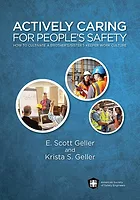
E. Scott Geller, Ph.D., is Alumni Distinguished Professor, Center for Applied Behavior Systems, Virginia Tech, and senior partner with Safety Performance Solutions, Blacksburg, VA. For more information visit www.safetyperformance.com. "Actively Caring for People's Safety: How to cultivate a brother’s/sister’s keeper work culture," co-authored by Scott’s daughter Krista, was recently published by ASSE. Scott’s 15-minute TEDX talk on You Tube can be accessed at: https://www.youtube.com/watch?v=7sxpKhIbr0E


Recommended Content

JOIN TODAY
to unlock your recommendations.

Already have an account? Sign In

  • forklift safety

    Exploring the latest technologies in forklift safety

    With more staff and more stock in warehousing now more...
    Facility Safety
    By: Josh Cramer
  • welding

    All about welder’s flash or arc eye

    A flash burn is a painful inflammation of the cornea,...
    Environmental Health and Safety
  • dangerous jobs

    The 10 most dangerous jobs in the U.S.

    On-the-job deaths have been rising — hitting the highest...
    Government Safety Regulations
    By: Benita Mehta
Manage My Account
  • eMagazine Subscriptions
  • ISHN Newsletter & Other Newsletter Alerts
  • Online Registration
  • Manage My Preferences
  • Subscription Customer Service

More Videos

Sponsored Content

Sponsored Content is a special paid section where industry companies provide high quality, objective, non-commercial content around topics of interest to the ISHN audience. All Sponsored Content is supplied by the advertising company and any opinions expressed in this article are those of the author and not necessarily reflect the views of ISHN or its parent company, BNP Media. Interested in participating in our Sponsored Content section? Contact your local rep!

close
  • man wearing the the Sundström SR200 Full Face Mask Respirator
    Sponsored byOHD

    5 Fit Testing Mistakes That Could Cost You

  • This image shows Magid AcuSpex polarized blue mirrored safety glasses.
    Sponsored byMagid Glove and Safety

    Construction PPE Guide: What Crews Need for Each Task

  • lone worker in confined space
    Sponsored byAlphasense Ltd.

    GET THE LEAD OUT of your Safety Oxygen Sensors!

Popular Stories

SpaceX 7 launch

OSHA Investigating Fatal Fall at SpaceX Starbase

Worker Impairment

How to Tell When a Co-Worker is Impaired? A Safety Pro’s Challenge

psychology in the workplace

Most Workplaces Measure Psychological Safety, Ignoring Psychosocial Risks

top 10 most dangerous jobs

Poll

Seasonal Readiness

With the federal heat stress prevention rule on the horizon, which area of your safety program needs the most attention?
View Results Poll Archive

Products

Surviving an OSHA Audit A Management Guide, 2nd Edition

Surviving an OSHA Audit A Management Guide, 2nd Edition

See More Products

ISHN Podcasts

Related Articles

  • ASSE

    Hot off the ASSE press: Actively Caring for People’s Safety

    See More
  • Actively Caring for People’s Safety

    4 STEPS to cultivating a brother’s/sister’s keeper culture

    See More
  • actively caring for people, behavior-based safety

    Actively caring for people’s safety

    See More

Related Products

See More Products
  • 111885960X.jpg

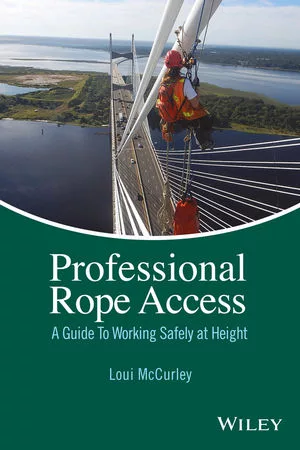
    Professional Rope Access: A Guide To Working Safely at Height

  • Top Ten Pitfalls in OSHA Recordkeeping and How to Avoid Them

See More Products
×

Become a Leader in Safety Culture

Build your knowledge with ISHN, covering key safety, health and industrial hygiene news, products, and trends.

JOIN TODAY
  • RESOURCES
    • Advertise
    • Contact Us
    • Directories
    • Manufacturing Division
    • Store
    • Want More
  • SIGN UP TODAY
    • Create Account
    • eMagazine
    • Newsletters
    • Customer Service
    • Manage Preferences
  • SERVICES
    • Marketing Services
    • Reprints
    • Market Research
    • List Rental
    • Survey/Respondent Access
  • STAY CONNECTED
    • LinkedIn
    • Facebook
    • YouTube
    • X (Twitter)
  • PRIVACY
    • PRIVACY POLICY
    • TERMS & CONDITIONS
    • DO NOT SELL MY PERSONAL INFORMATION
    • PRIVACY REQUEST
    • ACCESSIBILITY

Copyright ©2026. All Rights Reserved BNP Media, Inc. and BNP Media II, LLC.

Design, CMS, Hosting & Web Development :: ePublishing