ISHN logo
search
cart
facebook twitter linkedin youtube
  • Sign In
  • Create Account
  • Sign Out
  • My Account
ISHN logo
  • NEWS
    • Today's News
    • Global Safety News
    • Government Regulations
  • PRODUCTS
    • Product Innovations
    • Featured Products
  • TOPICS
    • Environmental Health and Safety
    • Facility Safety
    • Workplace Health
    • Occupational Safety
    • PPE
    • More Topics
  • CONSTRUCTION
  • TECHNOLOGY
  • COLUMNS
    • Best Practices
    • Dave Johnson: What’s going on
    • Editorial Comments
    • Leading Safety
  • MULTIMEDIA
    • ISHN Podcast
    • Videos
    • Cold Stress Education Quiz
    • Webinars
    • White Papers
  • MORE
    • Buyer's Guide
    • Newsletters
    • Convention Companion
    • Polls
    • Events
    • ISHN Store
    • Sponsor Insights
  • EMAGAZINE
    • eMagazine
    • Archived Issues
    • Contact
    • Advertise
  • JOIN TODAY!

What's your safety story?

October 1, 2004
Did you ever consider how the stories you tell as a safety and health professional affect your ability to influence management and the workforce?

“Influence is our primary route for results,” says longtime safety veteran Tom Lawrence.

“We accomplish those results by learning the technical, regulatory and safety management concepts and using them to influence line managers and employees to get the actual work done. We have to persuade — influence — others.”

Indirect persuasion

Safety and health pros, then, are what Howard Gardner, a professor at the Harvard Graduate School of Education, calls indirect leaders. They influence the thinking and behavior of organizations and people through the indirect application of their technical expertise and insights.

They are domain experts, such as anthropologist Margaret Mead and physicist J. Robert Oppenheimer, who are profiled by Gardner in his book, “Leading Minds.”

Direct leaders, in contrast, typically lack astute knowledge of any given subject area. But they have their hands on the levers of power, such as CEOs and heads of state.

Central to Gardner’s thesis is that leaders, whether their style is direct or indirect, must have a story to relate, and an audience ready to hear it, if they are to succeed.

By “story,” Gardner means a central theme or message. But, as he says, it is no mere headline or slogan. It’s a perspective, a conviction, communicated not just in words, but actions. Leaders embody their message. As a safety and health pro, you know all about role modeling.

A leader’s ability to persuade and be effective depends on his or her message resonating with the audience, says Gardner. The same goes for safety and health pros. The story needs to make sense to audience members, in terms of where they have been and where they want to go, he writes.

Think of FDR’s “We have nothing to fear…” speech at the outset of World War II, JFK’s “Ask not what your country can do for you” message at the dawn of the idealistic 1960s, and George W. Bush’s reassurances after 9/11.

Think of your own safety “story,” and the audience you’re trying to connect to. How good is the fit in your workplace?

Selling obligations

Many safety stories promote themes of obligation, commitment, sacrifice and responsibility. That’s not an easy sell, but it’s not different from what political, military or religious leaders ask of their audiences.

“Each of us shares a responsibility to work safely in our daily lives,” said National Safety Council President Alan McMillan, in a statement released last spring for Workers Memorial Day. “Employers and business leaders have a special obligation to ensure that the core human value of safety and health is firmly rooted in their organizations.”

“What have you done for safety today?” ask shift supervisors at the start of daily production meetings at a large printing company.

Other common safety stories (the condensed versions):

“We are our brothers’ and sisters’ keepers.”

“Safety first.”

“Safety pays.”

“Safety is crucial to the way we do business.”

When you ask for commitment and sacrifice (wear personal protective equipment, volunteer for the safety committee, don’t take shortcuts, etc.) you’re no different than other leaders who attempt to sway attitudes and behaviors. But safety and health story-telling does face several disadvantages.

Does your story make sense?

First, consider your in-plant audience. Or rather, your audiences — managers, supervisors and employees. Are they poised to respond to repeated presentations of your core message?

For as Gardner writes, “Even the most eloquent story is stillborn in the absence of an audience ready to hear it.”

Ah, Houston, we have a problem here, many safety and health pros would answer. Actually, there are several problems.

For one, the personal experiences of managers, supervisors, and employees do not usually jibe with the safety message. Accidents and inspections usually do happen to someone else. OSHA inspectors only hit about 36,000 out of six million workplaces every year.

Timing is everything. Safety stories resonate most powerfully when your audiences are living the story — NASA after the Columbia disaster. Then the fit, the readiness to listen and respond, is acute.

But long-term chances of success are greater if your story can take root in a non-crisis situation, through sustained, concentrated effort, writes Gardner.

Explosions and fatalities, unfortunately, lend themselves to emotional knee-jerk reactions, often leaving safety and health pros with the Hawthorne Effect — not significant and lasting change.

Competing stories

Another challenge for safety and health leaders is competition from other stories. Consider some of the stories competing for the attention and commitment of your managers and employees (as identified by risk communication expert Peter Sandman):

“We’ve got deadlines, budgets, real problems,” says the boss.

“We’ve got a good record already,” says the plant manager.

“If they paid attention they wouldn’t get hurt,” says the supervisor.

“Management doesn’t care about me,” says the employee.

Finally, consider a poll released by the Society of Human Resource Management and CNN. When asked what aspects of their daily work are least important, a random nationwide sample of employees said relationships with coworkers, training, and working to the organization’s goals.

Ouch. Tell that to a safety and health pro trying to sell “actively caring,” safety training sessions and safety performance goals.

Leverage your advantages

Still, several factors work in favor of safety story-telling:

  • Expertise and credibility. “An individual is unlikely to achieve any credibility unless her work is seen as being of high quality,” writes Gardner. Safety and health pros are technical mavens with access to knowledge unavailable to the rest of the workforce and management. That’s an advantage.

  • Authenticity. Safety and health pros, with few exceptions, are the real deal. They talk the talk and walk the walk, and pride themselves on nothing less. They live out and project their stories every day, wearing PPE, following procedures, pursuing audit findings until closure, etc. In some cases, your story can even be strengthened if you own up to your own unsafe thinking and actions of the past — what Gardner calls a “counter-story.”

    But be careful. If a leader seems to contradict his story by the fact of his existence, if he doesn’t walk the talk, writes Gardner, the story probably won’t remain convincing over the long run.

  • Natural tendencies. See if you can relate to some of the traits Gardner ascribes to what he calls the “exemplary leader”: Possessing a keen interest in, and understanding of, other people; general energy and resourcefulness; conviction that one’s own insights are well-motivated and likely to be effective; and concern with moral issues.

    These are all common characteristics of effective safety and health pros.

  • Inclusiveness. The most influential stories encourage individuals to think of themselves as part of a broader community, writes Gardner. Think of the appeals of FDR, JFK, Reagan, Martin Luther King, Gandhi.

    Think of all that’s been said in safety and health about belongingness, ownership, teamwork and building a safety culture. Safety’s message is naturally inclusive. It applies to all of us, everywhere, all the time.

    Take a look at your safety and health story-telling. Your themes and methods of delivering your messages. Study your audiences, and the counter-stories in your workplace that compete for attention. Leverage the advantages you have for telling safety stories that connect to your audience.

  • Share This Story

    Looking for a reprint of this article?
    From high-res PDFs to custom plaques, order your copy today!

    Recommended Content

    JOIN TODAY
    to unlock your recommendations.

    Already have an account? Sign In

    • forklift safety

      Exploring the latest technologies in forklift safety

      With more staff and more stock in warehousing now more...
      Facility Safety
      By: Josh Cramer
    • welding

      All about welder’s flash or arc eye

      A flash burn is a painful inflammation of the cornea,...
      Environmental Health and Safety
    • dangerous jobs

      The 10 most dangerous jobs in the U.S.

      On-the-job deaths have been rising — hitting the highest...
      Government Safety Regulations
      By: Benita Mehta
    Manage My Account
    • eMagazine Subscriptions
    • ISHN Newsletter & Other Newsletter Alerts
    • Online Registration
    • Manage My Preferences
    • Subscription Customer Service

    More Videos

    Sponsored Content

    Sponsored Content is a special paid section where industry companies provide high quality, objective, non-commercial content around topics of interest to the ISHN audience. All Sponsored Content is supplied by the advertising company and any opinions expressed in this article are those of the author and not necessarily reflect the views of ISHN or its parent company, BNP Media. Interested in participating in our Sponsored Content section? Contact your local rep!

    close
    • man wearing the the Sundström SR200 Full Face Mask Respirator
      Sponsored byOHD

      5 Fit Testing Mistakes That Could Cost You

    • This image shows Magid AcuSpex polarized blue mirrored safety glasses.
      Sponsored byMagid Glove and Safety

      Construction PPE Guide: What Crews Need for Each Task

    • lone worker in confined space
      Sponsored byAlphasense Ltd.

      GET THE LEAD OUT of your Safety Oxygen Sensors!

    Popular Stories

    SpaceX 7 launch

    OSHA Investigating Fatal Fall at SpaceX Starbase

    Worker Impairment

    How to Tell When a Co-Worker is Impaired? A Safety Pro’s Challenge

    psychology in the workplace

    Most Workplaces Measure Psychological Safety, Ignoring Psychosocial Risks

    top 10 most dangerous jobs

    Poll

    Seasonal Readiness

    With the federal heat stress prevention rule on the horizon, which area of your safety program needs the most attention?
    View Results Poll Archive

    Products

    Surviving an OSHA Audit A Management Guide, 2nd Edition

    Surviving an OSHA Audit A Management Guide, 2nd Edition

    See More Products

    ISHN Podcasts

    Related Articles

    • Companies planning to reinstate some programs cut during economic crisis - what about your safety program? (6/24)

      See More
    • What are your safety and health principles?

      See More
    • workplace culture

      New view, old view, what’s your view of safety?

      See More

    Related Products

    See More Products
    • 9780367861148.jpg

      LEAD Safety A Practical Handbook for Frontline Supervisors and Safety Practitioners

    • download (1).jpg

      Safety Rebels Real-World Transformations in Health and Safety

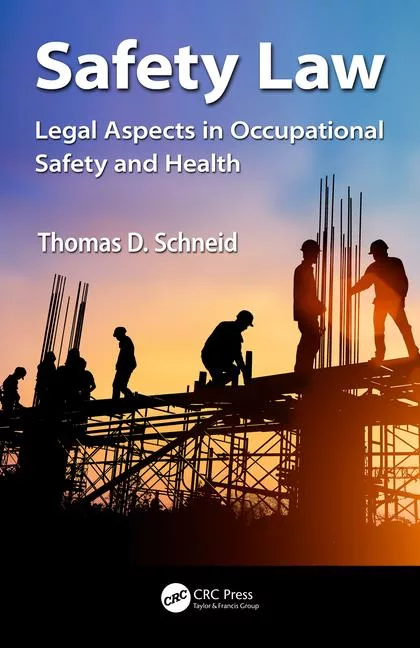
    • safety law.jpg

      Safety Law: Legal Aspects in Occupational Safety and Health

    See More Products

    Related Directories

    • MSA - The Safety Co.

      WE KNOW WHAT'S AT STAKE. Unpredictable work environments are often part of the job. That's why it's critically important to have the right safety equipment at the moment it matters most. MSA's complete lines of safety solutions help protect those workers at the heart of your operation.
    • PK Safety

      After 75+ years in the safety business, we understand the importance of staying safe in your work and home environments. We’ve vetted thousands of safety equipment and products including gas detectors, confined space gear, fall protection and respirators. We are also a Factory Authorized Service Center for gas monitors with factory trained certified technicians in house.
    ×

    Become a Leader in Safety Culture

    Build your knowledge with ISHN, covering key safety, health and industrial hygiene news, products, and trends.

    JOIN TODAY
    • RESOURCES
      • Advertise
      • Contact Us
      • Directories
      • Manufacturing Division
      • Store
      • Want More
    • SIGN UP TODAY
      • Create Account
      • eMagazine
      • Newsletters
      • Customer Service
      • Manage Preferences
    • SERVICES
      • Marketing Services
      • Reprints
      • Market Research
      • List Rental
      • Survey/Respondent Access
    • STAY CONNECTED
      • LinkedIn
      • Facebook
      • YouTube
      • X (Twitter)
    • PRIVACY
      • PRIVACY POLICY
      • TERMS & CONDITIONS
      • DO NOT SELL MY PERSONAL INFORMATION
      • PRIVACY REQUEST
      • ACCESSIBILITY

    Copyright ©2026. All Rights Reserved BNP Media, Inc. and BNP Media II, LLC.

    Design, CMS, Hosting & Web Development :: ePublishing