In 2011, 919 workers in Canada lost their lives to a disease or injury they incurred from work-related causes. Even more disturbing, is that eight of those who died were teenagers; twenty-six were between the ages of twenty and twenty-four years. There are close to three work-related deaths each day in Canada - each one leaving a trail of pain for the families impacted by the loss of a husband, wife, father, mother, brother, sister, son or daughter.
Knowing how many, who and where injuries or disease are occurring is a basic premise of preventing injuries and illnesses. If we don’t have accurate information on injury/illness occurrence, we don’t know how many resources to devote, what action(s) to take or whether the action we do take is effective.
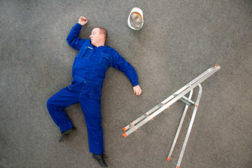
Fatal falls, slips, or trips took the lives of 666 workers in 2011, or about 14 percent of all fatal work injuries, according to the Bureau of Labor Statistics. Falls to lower level accounted for 541 of those fatalities.
If you’ve made even the most cursory read of my articles and blogs you probably already know that I don’t hold much stock in Behavior Based Safety (BBS). I believe that except for the odd statistical outlier nut-job, nobody WANTS to get hurt and unless they were designed by the Marquis De Sade you processes aren’t intended to hurt people.
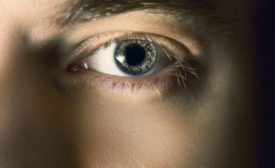
It's estimated by experts at Prevent Blindness America that more than 700,000 Americans injure their eyes at work each year. And that nearly 1 million Americans have lost some degree of their sight due to an eye injury.
Minnesota experienced a significant drop in workplace fatalities in 2011, according to data from the U.S. Bureau of Labor (BLS). Preliminary data from the BLS's Census of Fatal Occupational Injuries shows that there were 60 fatalities from work injuries in Minnesota in 2011.
The unsafe workplace costs a lot of money. The financial magnitude of expenses incurred in operating an unsafe workplace must be understood. This examination of the true costs associated with poor safety uncovers how far they extend beyond simply counting the cost of safety glasses or wages paid to the safety department.
Being a Safety Advisor (OSHA) is not popular. Bosses hate you because you cost them money. Workers hate you because you nag them about earplugs and safety glasses. Everybody hates you because you are forever chasing compliance — chasing company compliance with Acts and Regulations; chasing worker compliance with site rules and practices; chasing, chasing, chasing.
Ergodyne announced today a refresh of the products that started it all, the ProFlex® Back Support Series. Back supports are as essential for workers today as they were thirty years ago when the first workplace back support was invented and patented by Ergodyne.
A new white paper, “Nate Silver, Billy Beane, and Alex Trebek: Making the Case for Predictive Analytics in Workplace Safety,” has been released by Predictive Solutions Corporation, an Industrial Scientific company. It is a resource for those who want to learn how leading safety professionals are making the case to employ predictive models in their workplace safety program.
This standard establishes the elements and activities for pre-project and pre-task safety and health planning in construction.
With access to over one million professionals and more than 60 industry-specific publications,Clear Seas Research offers relevant insights from those who know your industry best. Let us customize a market research solution that exceeds your marketing goals.