Approximately ten percent of all occupational deaths are from struck-by accidents, and that number increases to 26 percent in the construction industry, according to OSHA. With the weather getting warmer and the layers of clothing coming off, it’s important to make sure that the layer of high-visibility apparel stays on. Also make sure you are complying with the requirements of the 2009 revision of the MUTCD (Manual on Uniform Traffic Control Devices). The revised MUTCD requires all workers within the right-of-way to wear ANSI 107 Class 2 or Class 3 compliant apparel. The compliance date is December 31, 2011.
The compliance challenge
One of the biggest challenges facing employers created by meeting the rules of the new MUTCD is actually getting workers to wear the required high-visibility apparel properly and at all times. Since a vest is worn as the outermost layer, it is often removed during the day or many days simply left behind in the truck. And vests might not be closed in the front, leaving the worker vulnerable to operators and drivers that cannot easily see them.
Improving use of high-visibility apparel centers around comfort. Cotton fabrics are being replaced with polyester blends that help wick moisture away from the skin and increase comfort.
Vests are worn over duck jackets or over top of tee-shirts or sweat shirts, depending on the weather. If it rains, a traditional yellow rain suit is put on and possibly the vest is worn over the top. But now that the onus is on the employer to ensure that his employees are wearing the proper high-visibility apparel, changes need to be made to properly protect everyone.

Other options
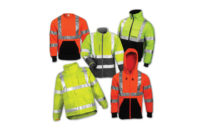
Start thinking about ANSI 107-compliant sweatshirts in either Class 2 or Class 3. Made of polyester materials, the sweatshirts provide the warmth and durability of a traditional sweatshirt, with the added high-visibility protection.
Sweatshirts are more likely to be laundered and remain cleaner during their useful lifetime. High-visibility sweatshirts are offered by a number of manufacturers in a variety of styles and configurations. Some of the more popular designs incorporate black material in certain areas to help conceal dirt and keep the sweatshirts looking newer longer.
Once the weather gets even warmer, sweatshirts can give way to tee-shirts with traditional tee-shirts being replaced with class 2 or class 3 tee-shirt styles. The use of a high-visibility tee-shirt virtually ensures compliance if worn alone.
Similar to sweatshirts, the tee-shirts are made mostly of polyester fibers, which help keep the material colorfast. Tee-shirts are offered in a few different styles and fabric types from a somewhat traditional feel to more advanced moisture management types like birds eye polyester that is common in sports apparel.
Worthy investment
Investing in high-visibility tee-shirts and sweatshirts is greater than a standard vest, but the cost is very comparable to non high-visibility apparel. For more information on the ANSI 107 standard, visit the website for the International Safety Equipment Association (ISEA), the trade organization that publishes the standard. There is also a buyer’s guide available on the website that lists a number of manufacturers for ANSI 107 compliant apparel.