How to stay active in warm weather
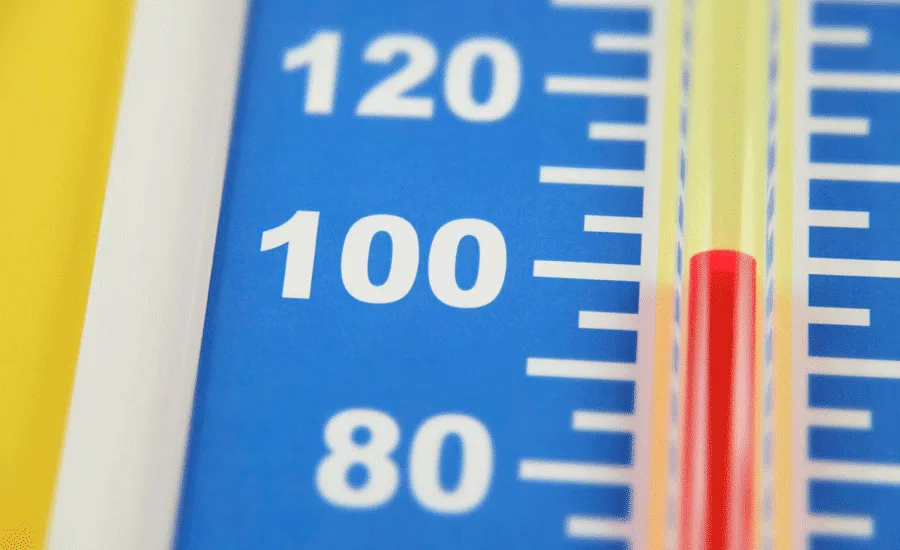
When the temperature goes up in the summer months, exercising outside can become challenging. Even heat-loving, sun-seeking exercisers can become overheated when the sun is beaming down in the heat of the day.
Ample sunshine, longer days and warmer temperatures provide more opportunities for the whole family to get outside and get active! Try walking, swimming, biking, skating, jumping rope, building a backyard obstacle course, or organizing a neighborhood soccer game. Even gardening, pushing a stroller or walking the dog counts. Learn the American Heart Association’s Recommendations for Physical Activity in Adults and the recommendations in children.
But when the temperature goes up, being active outdoors can be more challenging. It’s easier to become overheated when the sun is beaming down all day. The warm months also bring humidity to many parts of the country. With humidity, your sweat doesn’t evaporate as quickly, so your body has a harder time releasing heat.
Tips to keep in mind
-
Timing is key: Try to avoid exercising outside in the early afternoon. It’s usually hottest between noon and 3 p.m.
-
Hydrate: Drink water before, during and after physical activity, even if you don’t feel thirsty. Bring a bottle of water with you, or plan water stops along your route.
-
Dress for success: Wear lightweight, light-colored, loose-fitting clothes. Moisture-wicking fabric can also be a big help. Protect yourself from the sun with sunglasses, a hat or visor and plenty of sweat-resistant sunscreen.
-
Listen to your body: Take frequent breaks in the shade, and drink water before you’re thirsty. Allow yourself time to adapt to the heat -- some experts say that this can take about 4-14 days. You may not be able to work out as long or as hard as usual when it’s very hot.
-
Doctor’s orders: Check with your healthcare professional before starting an exercise routine or moving your workout outdoors if you have cardiovascular disease, diabetes, other chronic disease or any medical concerns. Certain medications like beta blockers, ace receptor blockers, ace inhibitors, calcium channel blockers and diuretics can exaggerate the body’s response to heat.
- Buddy up: If you can, work out with a partner for safety ... and fun!
Keep cool as you refuel.
Try light, healthy pre- and post-workout snacks that can also help you stay cool, such as:
- Chilled or frozen fruit
- Homemade popsicles made from 100 percent fruit juice
- Fruit smoothies
- Cold salads loaded with vegetables, beans, legumes and heart-healthy fish like albacore tuna or salmon
- Crisp, chilled raw veggies like cucumber, carrot or celery with a light, cool dip
- Cold sparkling water with a splash of 100% fruit juice or slices of citrus or cucumber
Beat the heat.
If you find you just can’t tolerate the heat, don’t skip out on your workout or physical activity time!
- Find indoor locations where you can be active, such as a shopping mall, gym or community recreation center.
- Discover activities you can do in your home or at work.
- Adjust your workout schedule to early morning or late evening when it’s cooler outside.
Know the signs of heat-related conditions.
According to the National Institutes of Health(link opens in new window), heat illnesses or emergencies can occur with exposure to high temperatures and humidity.
Dehydration can occur when you don’t replace body fluids lost by sweating. Being even slightly dehydrated can make you feel bad and put you at greater risk for heat-related illnesses like heat exhaustion and heat stroke.
Watch for these signs of mild to moderate dehydration:
- Thirst
- Dry or sticky mouth
- Dry, cool skin
- Headache
- Muscle cramps
- Not urinating much or darker-colored urine
Signs of severe dehydration:
- Not urinating or very dark-colored urine
- Dry, shriveled skin
- Irritability or confusion
- Dizziness or lightheadedness
- Rapid heartbeat
- Breathing rapidly
- Fatigue or listlessness
- Unconsciousness
Heat cramps are the first stage of heat illness and can share some of the symptoms of dehydration:
- Muscle cramps and pains, often in the legs or abdomen
- Very heavy sweating
- Fatigue
- Thirst
Heat exhaustion symptoms include:
- Headache
- Dizziness or lightheadedness
- Weakness
- Cool, moist skin
- Dark urine
- Nausea and vomiting
If you experience signs of dehydration, heat cramps or heat exhaustion:
- Stop exercising right away.
- Sip water or suck on ice cubes.
- Move to the shade or indoors as soon as possible.
- Douse yourself with cold water.
- Apply cold, wet cloths to the neck, groin and armpits.
- Seek medical attention if your condition doesn’t improve or gets worse.
Heat stroke is when the body is no longer able to regulate its temperature, and it keeps rising. This is very serious and requires immediate medical attention.
Call 9-1-1 and take the actions above right away if you experience these symptoms:
- High fever (above 104 degrees F)
- Hot, dry, red skin
- Fast, weak pulse
- Fast, shallow breathing
- Irrational behavior or extreme confusion
- Seizure or unconsciousness
What if I’m recovering from a cardiac event or stroke?
Some people are afraid to exercise after a heart attack. But regular physical activity can help reduce your chances of having another heart attack.
The AHA published a statement in 2014 that doctors should prescribe exercise to stroke patients since there is strong evidence that physical activity and exercise after stroke can improve cardiovascular fitness, walking ability and upper arm strength.
If you’ve had a heart attack or stroke, talk with your doctor before starting any exercise to be sure you’re following a safe, effective physical activity program.
Source: American Heart Association
Looking for a reprint of this article?
From high-res PDFs to custom plaques, order your copy today!