Eight months before the start of A +A 2017, International Trade Fair with Congress for Safety, Security and Health at Work, some 1,900 exhibitors from around the world have registered and Halls 3 to 11 will be fully occupied. Companies will offer the full range of the latest global trends in industrial safety, health promotion in the workplace and safety management at work. The leading international trade fair for the sector will take place from October 17 – 20, 2017 at the fairgrounds in Düsseldorf, Germany.
The Chinese government’s efforts to crackdown on unsafe workplaces appears to be having an effect, with the State Administration of Work Safety (SAWS) reporting a 24.7 percent decrease in occupational accidents over the past year.
New guidance from the World Health Organization (WHO), aims to improve the chances of survival for people living with cancer by ensuring that health services can focus on diagnosing and treating the disease earlier.
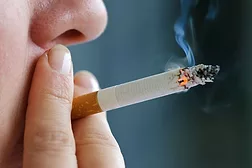
Policies to control tobacco use, including tobacco tax and price increases, can generate significant government revenues for health and development work, according to a new landmark global report from WHO and the National Cancer Institute of the United States of America. Such measures can also greatly reduce tobacco use and protect people’s health from the world’s leading killers, such as cancers and heart disease.
The equipment manufacturing industry is looking forward to working with President Trump, according to Mike Haberman, 2017 Chair of the Association of Equipment Manufacturers (AEM) and president of Gradall Industries, Inc.
European workers are angry about a recent directive from the European Commission that fails to include diesel engine exhaust among the toxins that people should be protected from in the workplace.
The most harmful pollutant to human health is called PM 2.5, particle matter smaller than 2.5 microns in diameter that's found in soot, smoke, and dust. PM 2.5 is especially dangerous because it can get lodged in the lungs and cause long-term health problems like asthma and chronic lung disease.
The number of people working night shifts in the United Kingdom has increased by 9% or 275,000 people over the last five years, according to a report released on in October by the Trade Union Congress (TUC).
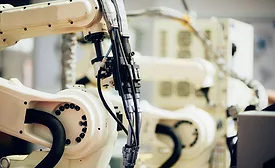
More and more Chinese factories are using robots to make up for the shortage of labor in the country.
"There are more companies recruiting than people applying for jobs," said Liu Jihong, vice general manager of a Zhejiang-based company that produces seats for engineering machinery as well as for commercial and passenger vehicles.
 RSS
RSS