ISHN logo
search
cart
facebook twitter linkedin youtube
  • Sign In
  • Create Account
  • Sign Out
  • My Account
ISHN logo
  • NEWS
    • Today's News
    • Global Safety News
    • Government Regulations
  • PRODUCTS
    • Product Innovations
    • Featured Products
  • TOPICS
    • Environmental Health and Safety
    • Facility Safety
    • Workplace Health
    • Occupational Safety
    • PPE
    • More Topics
  • CONSTRUCTION
  • TECHNOLOGY
  • COLUMNS
    • Best Practices
    • Dave Johnson: What’s going on
    • Editorial Comments
    • Leading Safety
  • MULTIMEDIA
    • ISHN Podcast
    • Videos
    • Cold Stress Education Quiz
    • Webinars
    • White Papers
  • MORE
    • Buyer's Guide
    • Newsletters
    • Convention Companion
    • Polls
    • Events
    • ISHN Store
    • Sponsor Insights
  • EMAGAZINE
    • eMagazine
    • Archived Issues
    • Contact
    • Advertise
  • JOIN TODAY!
Facility SafetyGlobal Safety News

A cultural divide over aid to Bangladesh factory victims

By Dave Johnson
November 25, 2013

earthOn one side we have the Europeans. On the other, the United States.

The different approaches the two are taking to provide aid to Bangladesh factory workers says a good bit about the cultural differences involved.

Euro retailers, led by Primark, an Anglo-Irish company, and C&A, Dutch-German company, are deeply involved in getting long-term compensation funds off the ground, according to a report in The New York Times November 23. One is for Rana Plaza building collapse victims and one for the victims of the Tarzeen fire, which killed 112 workers in November, 2012.

The International Labor Organization is working with Bangladeshi officials, labor groups, and several retailers to create ambitious compensation funds not only for families of the victims, but also for more than 1,800 workers who were injured, some of them still hospitalized.

But none of the American retailers who have contracted business in Bangladesh support the compensation plan. Neither Walmart, Sears, Children’s Place nor any other U.S. firms that were selling goods produced at Tarzeen or Rana Plaza have agreed to contribute cash to the effort.

Compensation advocates say a long-term plan is necessary to pay for medical care for workers who are paralyzed or otherwise badly injured, to provide income after a breadwinner has died, and to give families enough income so that children are not force to quit school and go to work.

Bangladeshi workers earn at least a minimum wage of $38 a month. Primark has paid somewhat more than the minimum wage for each worker, totaling at least $138,000 a month, according to The New York Times.

Loblaw, a Canadian retailer, has agreed to join the compensation effort. “We believe we have a moral  obligation to support the workers who produce our products,” Bob Chant, Loblaw’s senior vp for corporate affairs, told The Times.

“Compensation is so important because so many families are suffering  -- many families don’t have anyone left to support them, Kalpona Akter, executive director of the Bangladesh Center for Worker Solidarity, told The Times.

“There’s been a good response from some European brands, but so far none of the U.S. retailers have agreed to pay a single penny for compensation.”

U.S. retailers have disputed their obligations. Walmart has strenuously asserted that unauthorized contractors were producing Walmart garments without the company’s knowledge.

Sears also states an unauthorized contractor had been producing on its behalf at Tazreen.

Walmart, Sears and 23 other American and Canadian companies have formed an alliance to upgrade factory safety in Bangladesh.

Walmart has posted on its website the results of 75 inspections that it commissioned for factories it uses in Bangladesh, according to The Times.

Kevin Gardner, a Walmart spokesman, told The Times the reports showed that many factories had “made real improvements that are making the supply chain safer for thousands of workers in Bangladesh.”

Gardner said that 34 of the 75 factories had moved from having a D or C rating to having an A or B rating.

“This is the first time a retailer has published results of factory audits on this scale,” Gardner said. “We believe transparency is vital to improve worker safety in Bangladesh.”

Sears says it is committed to improving conditions in the factories in Bangladesh it uses, but did not indicate an intention to provide monetary aid.

Why the difference in attitudes and intentions regarding compensation?

Liability and image-consciousness. Some industry analysts say Walmart, Sears and other American retailers are reluctant to join in on the compensation efforts because they fear it could be perceived as an admission of guilt or wrongdoing, leading to legal liability. Some also say American firms fear they will appear hypocritical if they contribute to a compensate fund after asserting that any production done for them in those factories was unauthorized.

KEYWORDS: bangladesh worker safety

Share This Story

Looking for a reprint of this article?
From high-res PDFs to custom plaques, order your copy today!

Djohnson new pic 7.10.22

Dave Johnson was chief editor of ISHN from 1980 until early 2020. He uses his decades of expertise to write on hot topics and current events in the world of safety. He also writes and edits at Dave Johnson’s Writing Shop LLC and is editor-at-large for ISHN. Find him at https://www.facebook.com/Dave-Johnsons-Writing-Shop-101316571547263/, and on LinkedIn at https://www.linkedin.com/in/daveljohnsoneditor/.

Recommended Content

JOIN TODAY
to unlock your recommendations.

Already have an account? Sign In

  • forklift safety

    Exploring the latest technologies in forklift safety

    With more staff and more stock in warehousing now more...
    Facility Safety
    By: Josh Cramer
  • welding

    All about welder’s flash or arc eye

    A flash burn is a painful inflammation of the cornea,...
    Environmental Health and Safety
  • dangerous jobs

    The 10 most dangerous jobs in the U.S.

    On-the-job deaths have been rising — hitting the highest...
    Government Safety Regulations
    By: Benita Mehta
Manage My Account
  • eMagazine Subscriptions
  • ISHN Newsletter & Other Newsletter Alerts
  • Online Registration
  • Manage My Preferences
  • Subscription Customer Service

More Videos

Sponsored Content

Sponsored Content is a special paid section where industry companies provide high quality, objective, non-commercial content around topics of interest to the ISHN audience. All Sponsored Content is supplied by the advertising company and any opinions expressed in this article are those of the author and not necessarily reflect the views of ISHN or its parent company, BNP Media. Interested in participating in our Sponsored Content section? Contact your local rep!

close
  • man wearing the the Sundström SR200 Full Face Mask Respirator
    Sponsored byOHD

    5 Fit Testing Mistakes That Could Cost You

  • This image shows Magid AcuSpex polarized blue mirrored safety glasses.
    Sponsored byMagid Glove and Safety

    Construction PPE Guide: What Crews Need for Each Task

  • lone worker in confined space
    Sponsored byAlphasense Ltd.

    GET THE LEAD OUT of your Safety Oxygen Sensors!

Popular Stories

SpaceX 7 launch

OSHA Investigating Fatal Fall at SpaceX Starbase

dust explosion

Tennessee OSHA Issues Record $3.1M Fine After Deadly Explosion at Munitions Plant

Worker Impairment

How to Tell When a Co-Worker is Impaired? A Safety Pro’s Challenge

top 10 most dangerous jobs

Poll

Seasonal Readiness

With the federal heat stress prevention rule on the horizon, which area of your safety program needs the most attention?
View Results Poll Archive

Products

Surviving an OSHA Audit A Management Guide, 2nd Edition

Surviving an OSHA Audit A Management Guide, 2nd Edition

See More Products

ISHN Podcasts

Related Articles

  • Walmart, other retailers refuse to sign Bangladesh factory safety pact

    See More
  • Design contest to honor Triangle Shirtwaist Factory fire victims, legacy

    See More
  • Safety activists slam Walmart’s Bangladesh factory improvement plan

    See More

Related Products

See More Products
  • A Basic Guide to RCRA—Understanding Solid and Hazardous Waste Management, Second Edition

  • 111885960X.jpg

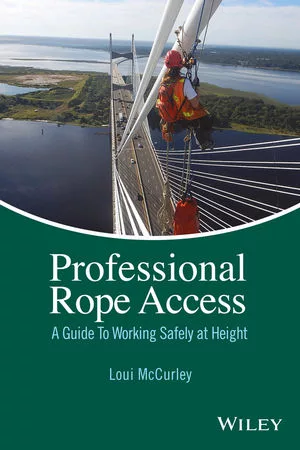
    Professional Rope Access: A Guide To Working Safely at Height

  • 0470387408.jpg

    Preparing for OSHA s Voluntary Protection Programs: A Guide to Success

See More Products
×

Become a Leader in Safety Culture

Build your knowledge with ISHN, covering key safety, health and industrial hygiene news, products, and trends.

JOIN TODAY
  • RESOURCES
    • Advertise
    • Contact Us
    • Directories
    • Manufacturing Division
    • Store
    • Want More
  • SIGN UP TODAY
    • Create Account
    • eMagazine
    • Newsletters
    • Customer Service
    • Manage Preferences
  • SERVICES
    • Marketing Services
    • Reprints
    • Market Research
    • List Rental
    • Survey/Respondent Access
  • STAY CONNECTED
    • LinkedIn
    • Facebook
    • YouTube
    • X (Twitter)
  • PRIVACY
    • PRIVACY POLICY
    • TERMS & CONDITIONS
    • DO NOT SELL MY PERSONAL INFORMATION
    • PRIVACY REQUEST
    • ACCESSIBILITY

Copyright ©2026. All Rights Reserved BNP Media, Inc. and BNP Media II, LLC.

Design, CMS, Hosting & Web Development :: ePublishing