ISHN logo
search
cart
facebook twitter linkedin youtube
  • Sign In
  • Create Account
  • Sign Out
  • My Account
ISHN logo
  • NEWS
    • Today's News
    • Global Safety News
    • Government Regulations
  • PRODUCTS
    • Product Innovations
    • Featured Products
  • TOPICS
    • Environmental Health and Safety
    • Facility Safety
    • Workplace Health
    • Occupational Safety
    • PPE
    • More Topics
  • CONSTRUCTION
  • TECHNOLOGY
  • COLUMNS
    • Best Practices
    • Dave Johnson: What’s going on
    • Editorial Comments
    • Leading Safety
  • MULTIMEDIA
    • ISHN Podcast
    • Videos
    • Cold Stress Education Quiz
    • Webinars
    • White Papers
  • MORE
    • Buyer's Guide
    • Newsletters
    • Convention Companion
    • Polls
    • Events
    • ISHN Store
    • Sponsor Insights
  • EMAGAZINE
    • eMagazine
    • Archived Issues
    • Contact
    • Advertise
  • JOIN TODAY!
Today's Safety NewsGlobal Safety News

European oil & gas industry to reveal chemicals used in fracking

Website launched to address public concerns
June 26, 2013

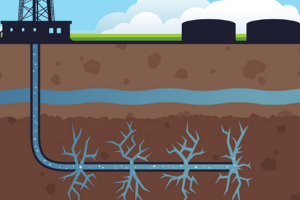
frackingWhile U.S. oil & gas companies have, for the most part, refused to disclose the chemicals they use in hydraulic fracturing – or “fracking” – on the grounds that such information is proprietary, their European counterparts have launched a new website to disclose those and other details.

Fracking is technique used to harvest natural gas that injects water mixed with sand and chemicals into shale to create fractures that force the gas to the surface. The practice originated in the U.S.

Proponents of fracking point to the (U.S.’) abundant supply of natural gas and the economic and geopolitical benefits of having a homegrown source of energy.

Opponents cite potential environmental and health effects that include or may stem from the depletion of fresh water and air and groundwater contamination from the chemicals used in the process.

The International Association of Oil & Gas Producers (OGP) says the new website, called Natural Gas from Shale Fluid and Additive Component Transparency Service, or NGS FACTS (www.ngsfacts.org), is open to the public and offers updated information for exploratory wells being operated in the European Economic Area by the participating organizations. With a click, a fact sheet pops up for each of the initial six wells listed, containing comprehensive information about the water, sand and chemicals used in that well to create small passages in the rocks, through which the gas can be extracted.

“We have initiated this site to address public concerns about one of the most promising energy technologies in Europe,” says the Association’s Executive Director Michael Engell-Jensen. “We’ve listened to the public and policymakers who have asked the industry to disclose the substances used in gas from shale operations. The launch of the site today is a first step, taken voluntarily by the industry, to address such concerns.”

The OGP says the website is designed to complement rather than replace existing regulatory reporting requirements and individual company initiatives. It allows the public to locate, using satellite imaging, exploratory shale directed gas wells being operated by the participating organizations.

Information available through the site includes:

·         Amount of water used, in cubic meters.

·         Maximum mass percentage of water as a proportion of the total mass of hydraulic fracturing fluid used

·         Chemical substance in fracturing fluid: The list of chemical substances in fracturing fluid includes both Material Safety Data Sheet (MSDS) and non-MSDS substances.

·         Chemical Abstract Service Number (CAS Number)

·         List of maximum mass percentage of each chemical additive in the hydraulic fracturing fluid.

KEYWORDS: chemicals hydraulic fracturing oil and gas industry

Share This Story

Looking for a reprint of this article?
From high-res PDFs to custom plaques, order your copy today!

Recommended Content

JOIN TODAY
to unlock your recommendations.

Already have an account? Sign In

  • forklift safety

    Exploring the latest technologies in forklift safety

    With more staff and more stock in warehousing now more...
    Facility Safety
    By: Josh Cramer
  • welding

    All about welder’s flash or arc eye

    A flash burn is a painful inflammation of the cornea,...
    Environmental Health and Safety
  • dangerous jobs

    The 10 most dangerous jobs in the U.S.

    On-the-job deaths have been rising — hitting the highest...
    Occupational Safety
    By: Benita Mehta
Manage My Account
  • eMagazine Subscriptions
  • ISHN Newsletter & Other Newsletter Alerts
  • Online Registration
  • Manage My Preferences
  • Subscription Customer Service

More Videos

Sponsored Content

Sponsored Content is a special paid section where industry companies provide high quality, objective, non-commercial content around topics of interest to the ISHN audience. All Sponsored Content is supplied by the advertising company and any opinions expressed in this article are those of the author and not necessarily reflect the views of ISHN or its parent company, BNP Media. Interested in participating in our Sponsored Content section? Contact your local rep!

close
  • man wearing the the Sundström SR200 Full Face Mask Respirator
    Sponsored byOHD

    5 Fit Testing Mistakes That Could Cost You

  • This image shows Magid AcuSpex polarized blue mirrored safety glasses.
    Sponsored byMagid Glove and Safety

    Construction PPE Guide: What Crews Need for Each Task

  • lone worker in confined space
    Sponsored byAlphasense Ltd.

    GET THE LEAD OUT of your Safety Oxygen Sensors!

Popular Stories

SpaceX 7 launch

OSHA Investigating Fatal Fall at SpaceX Starbase

Automated loading dock equipment

After March 2026 Rivian Death, Safety Managers Reassess Loading Dock Systems Under OSHA's Warehouse Emphasis Program

psychology in the workplace

Most Workplaces Measure Psychological Safety, Ignoring Psychosocial Risks

top 10 most dangerous jobs

Poll

Seasonal Readiness

With the federal heat stress prevention rule on the horizon, which area of your safety program needs the most attention?
View Results Poll Archive

Products

Surviving an OSHA Audit A Management Guide, 2nd Edition

Surviving an OSHA Audit A Management Guide, 2nd Edition

See More Products

ISHN Podcasts

Related Articles

  • EPA to restrict imports of harmful chemicals used in carpets

    See More
  • EPA to take action on chemicals used in dyes, flame retardants, and industrial detergents (8/19)

    See More
  • Chemicals used in studies ID'd by EPA (6/8)

    See More

Related Directories

  • Thermal Gas Systems Inc.

    Thermal Gas Systems has led the gas monitoring industry since 1989, specializing in Photoacoustic Infrared technology and CMOS alternatives for proven reliability worldwide. 24-hour Refrigerant monitoring, gas leak detection, SCBA, oxygen depletion monitor, ammonia leak monitor, and alarms.
×

Become a Leader in Safety Culture

Build your knowledge with ISHN, covering key safety, health and industrial hygiene news, products, and trends.

JOIN TODAY
  • RESOURCES
    • Advertise
    • Contact Us
    • Directories
    • Manufacturing Division
    • Store
    • Want More
  • SIGN UP TODAY
    • Create Account
    • eMagazine
    • Newsletters
    • Customer Service
    • Manage Preferences
  • SERVICES
    • Marketing Services
    • Reprints
    • Market Research
    • List Rental
    • Survey/Respondent Access
  • STAY CONNECTED
    • LinkedIn
    • Facebook
    • YouTube
    • X (Twitter)
  • PRIVACY
    • PRIVACY POLICY
    • TERMS & CONDITIONS
    • DO NOT SELL MY PERSONAL INFORMATION
    • PRIVACY REQUEST
    • ACCESSIBILITY

Copyright ©2026. All Rights Reserved BNP Media, Inc. and BNP Media II, LLC.

Design, CMS, Hosting & Web Development :: ePublishing