Cover Feature
The 10 most dangerous jobs in the U.S.
Workers in one of these industries are at highest risk of death
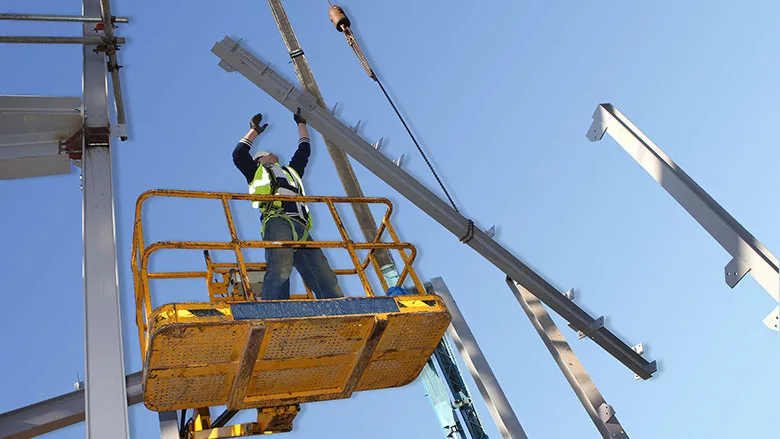
Photo credit: Getty Images
On-the-job deaths have been rising — hitting the highest annual number since 2016. There were 5,190 fatal work injuries recorded in the United States in 2021, an 8.9 percent increase from 4,764 in 2020, the U.S. Bureau of Labor Statistics reported in December. The fatal work injury rate was 3.6 fatalities per 100,000 full-time equivalent workers, up from 3.4 in 2020 and up from the 2019 pre-pandemic rate of 3.5. These statistics are from the Census of Fatal Occupational Injuries (CFOI).
These are among the most dangerous jobs in America and the jobs where workers are most at risk of fatal injuries, according to the U.S. Bureau of Labor Statistics’ latest annual report on fatal occupational injuries, which reflects data from 2021.
Some of the causes for work-related deaths include falls, slips and trips (850 total fatalities in 2021); violence and other injuries by a person or animal; contact with objects and equipment, such as being struck by a falling object; and exposure to harmful substances or environments, according to statistics analyzed from the latest Bureau of Labor Statistics report.
A worker died every 101 minutes from a work-related injury in 2021, and 798 on-the-job fatalities resulted from exposure to harmful substances, the highest total for this type of injury since 2011.
Transportation incidents were by far the most frequent type, composing 38.2% of all work-related deaths. In 2021, there were 1,982 fatal transportation injuries, which is below pre-pandemic 2019 figures but above 2020 figures.
But when you take into considering number of fatal injuries per number of workers, these are the riskiest jobs in America today.
1. Logging workers
Fatal injury rate for this occupation: 82.2 deaths per 100,000 full-time equivalent workers
Fatal injury rate across all occupations: 3.6 deaths per 100,000 full-time equivalent workers
Total number of fatal injuries for this occupation: 43
Logging workers had a fatal accident rate that was 21 times the average job nationwide. Logging workers harvest forests to provide the raw material for goods such as wood, paper, and cardboard, in addition to other industrial products. These workers spend almost all of their time outside in forests and other isolated areas.
Logging workers use heavy machinery to fell trees and handle logs. Logging worker deaths are most often caused by contact with logging machines or logs
2. Farming, fishing and forestry
Fatal injury rate for this occupation: 75.2 deaths per 100,000 full-time equivalent workers
Fatal injury rate across all occupations: 3.6 deaths per 100,000 full-time equivalent workers
Total number of fatal injuries for this occupation: 23
Farming supervisors are responsible for supervising and coordinating the work of farming, fishing, and forestry workers. These supervisors perform tasks such as assigning work related to the treatment and feeding of animals or plants, and recording the number of items harvested or grown. They also are responsible for making sure workers are following safety regulations and performing their work safely.
Transportation incidents were the leading cause of death for farming supervisors.
3. Roofers
Fatal injury rate for this occupation: 59 deaths per 100,000 full-time equivalent workers
Fatal injury rate across all occupations: 3.6 deaths per 100,000 full-time equivalent workers
Total number of fatal injuries for this occupation: 115
Roofers are responsible for installing, repairing, and replacing roofs on homes and buildings. Their work involves taking roofing materials such as shingles, metal, or other materials onto roofs and securing them. Roofers generally must use ladders or other equipment to climb on top of buildings. The most common cause of fatal work injury for roofers is falling off roofs or ladders.
4. Aircraft pilots and flight engineers
Fatal injury rate for this occupation: 48.1 deaths per 100,000 full-time equivalent workers
Fatal injury rate across all occupations: 3.6 deaths per 100,000 full-time equivalent workers
Total number of fatal injuries for this occupation: 68
Aircraft pilots fly and navigate airplanes, helicopters, and other types of aircraft. In this profession, pilots are responsible for checking the condition of aircraft before and after flights, ensuring the aircraft is balanced, and planning for fuel and flight plans. Pilots also operate the aircraft, communicate with air traffic control, and monitor the aircraft’s systems during flight.
The majority of aircraft pilot fatalities occur in crashes of privately owned planes and helicopters rather than on regularly scheduled commercial jet aircraft.
5. Structural iron and steel workers
Fatal injury rate for this occupation: 36.1 deaths per 100,000 full-time equivalent workers
Fatal injury rate across all occupations: 3.6 deaths per 100,000 full-time equivalent workers
Total number of fatal injuries for this occupation: 14
Ironworkers are responsible for installing iron and steel on buildings, bridges, and roads. Their work often consists of climbing up on large structures, unloading iron and steel, and signaling to crane operators. They also use equipment to cut, bend, and weld iron and steel. Steel and iron are some of the primary reinforcing materials for large-scale buildings.
Falls are the most common fatal occupational accident for structural iron and steel workers.
6. Driver/sales workers and truck drivers
Fatal injury rate for this occupation: 28.8 deaths per 100,000 full-time equivalent workers
Fatal injury rate across all occupations: 3.6 deaths per 100,000 full-time equivalent workers
Total number of fatal injuries for this occupation: 1,032
Delivery drivers load and unload trucks or cars and drive them to their destination within a local area. These workers generally pick up cargo, food, laundry, or other items from distribution centers or stores and deliver them to homes and businesses. They also may communicate with customers to coordinate deliveries, collect payment for goods, and process paperwork such as delivery signatures.
Traffic crashes are the leading cause of death on the job for driver/sales workers and truck drivers.
7. Refuse and recyclable material collectors
Fatal injury rate for this occupation: 27.9 deaths per 100,000 full-time equivalent workers
Fatal injury rate across all occupations: 3.6 deaths per 100,000 full-time equivalent workers
Total number of fatal injuries for this occupation: 23
Also known as garbage collectors, refuse and recyclable material collectors collect our trash and recycling. Generally, these workers will drive a truck through neighborhoods and empty garbage bins and dumpsters into the trucks. Many bins are loaded by hand while some trucks have mechanical lifters. They then drive the trucks to a landfill or waste transfer station where the waste is unloaded from the truck.
The most common cause of death for these workers is being struck by a garbage truck or other vehicle.
8. Underground mining machine operators
Fatal injury rate for this occupation: 26.7 deaths per 100,000 full-time equivalent workers
Fatal injury rate across all occupations: 3.6 deaths per 100,000 full-time equivalent workers
Total number of fatal injuries for this occupation: 10
Mining machine operators operate machines that remove rock, coal, metals, or other hard materials from a mine and load it onto conveyors that transport the materials out of the mine.
9. Construction trades helpers
Fatal injury rate for this occupation: 22.9 deaths per 100,000 full-time equivalent workers
Fatal injury rate across all occupations: 3.6 deaths per 100,000 full-time equivalent workers
Total number of fatal injuries for this occupation: 15
Construction helpers are construction workers who assist trade workers in the course of construction. These workers can include building equipment contractors, building finishing contractors, foundation and exterior contractors, and others. The most common cause of death for these workers are falls and trips on construction sites.
10. Electrical power-line installers and repairers
Fatal injury rate for this occupation: 22 deaths per 100,000 full-time equivalent workers
Fatal injury rate across all occupations: 3.6 deaths per 100,000 full-time equivalent workers
Total number of fatal injuries for this occupation: 30
Power linemen are responsible for installing and maintaining overhead and underground power lines that supply electricity to homes and businesses. In this job, these workers drive power maintenance equipment to job sites, climb electrical poles or use bucket trucks, and test, install, or otherwise maintain electrical equipment.
The most common cause of death for power linemen is death from electrocution.

Sources
Statistical data are from the U.S. Bureau of Labor Statistics (BLS). The BLS conducts a Census of Fatal Occupational Injuries that details the number of workplace fatalities by occupation by year.
To calculate the fatal injury rate, the number of fatalities is divided by the number of jobs in a given occupation for a given year.
Information on the most common fatal accidents was drawn from the Census of Fatal Occupational Injuries.
Looking for a reprint of this article?
From high-res PDFs to custom plaques, order your copy today!