


Construction PPE Guide: What Crews Need for Each Task
This guide walks through jobsite role-based PPE choices for high-risk jobs, then shows you how to choose and replace that gear with confidence.
Key Takeaway:
Construction crews stay safer when PPE matches the specific task and hazard, fits well, and stays in good condition. OSHA requires employers to assess jobsite risks, provide appropriate PPE, and maintain that gear so it performs reliably. The strongest programs focus on PPE selection, clear training, and removing worn items before they fail.
What PPE Do Construction Workers Need for Each Job & Hazard?
You start with the hazard, then choose PPE for eyes, face, head, hands, feet, body, and lungs that match that risk. OSHA highlights several core PPE categories for construction:
- Head protection
- Hearing protection
- Eye and face protection
- Respiratory protection
From a safety manager’s point of view, that means you build PPE guidance around the task. The sections below walk those tasks one by one. Let’s start with demolition tasks, where impact and crush hazards demand some of the toughest PPE on-site.
What PPE should construction crews use for demolition work?
Demolition work needs strong impact, cut, and crush protection for hands, plus reliable protection for head, eyes, and feet. OSHA links demolition hazards to the usual construction PPE standards for head, eye and face, and foot protection, so hard hats, safety glasses, face shields, and safety footwear with puncture and impact protection sit at the core of any demolition kit.
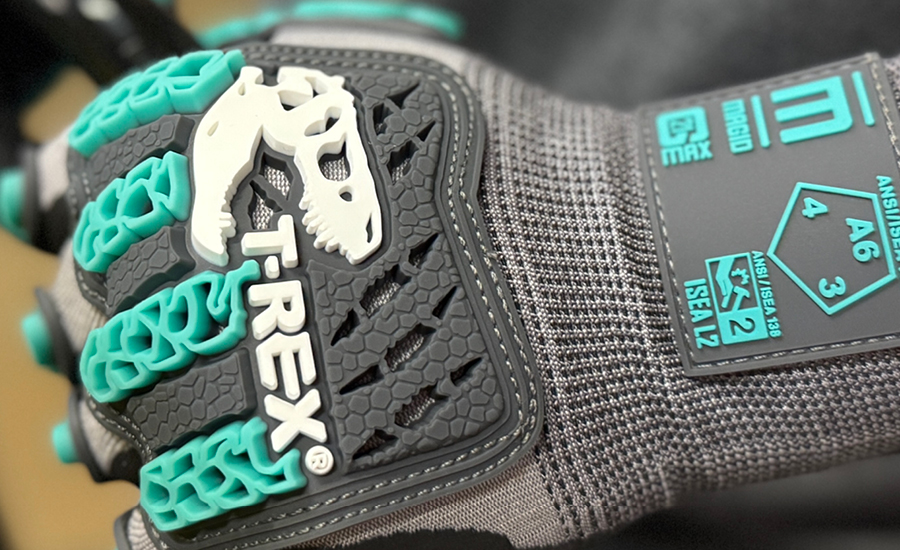
For hands, OSHA requires gloves that protect against cuts, punctures, burns, and temperature extremes. In demolition work, that usually means:
- Impact resistant gloves with back of hand padding
- High cut resistant gloves for sharp metal, rebar, and broken materials
- Hard hats rated for impact and penetration
- Eye and face protection, often safety glasses plus a face shield for flying debris
- Puncture resistant boots with suitable toe protection
ANSI/ISEA 138 sets test and labeling rules for impact resistant gloves and helps safety managers compare impact levels across different models. After demolition, crews often move to cleanup tasks, which bring a different mix of hazards like chemicals, sharps, and dust.
What PPE should construction workers use during construction site cleanup?
Construction cleanup needs strong protection from chemicals, mixed debris, sharps, and dust, not just comfort. For cleanup work, crews usually need:
- Chemical resistant gloves that match the specific solvent, cleaner, or residue
- Cut resistant gloves with good dexterity for sorting debris
- Disposable or coated protective clothing for splash and contamination
- Dust masks or respirators for silica, wood dust, or other airborne hazards
- Safety glasses or goggles for flying debris and splashes
Now that you’ve seen how PPE shifts based on the job, let’s talk about how safety teams choose the right gear from the start.
How Should Safety Teams Choose the Right Construction PPE?
You choose PPE the right way when you run a formal hazard assessment, match gear to that assessment, and teach crews how and when to use it. OSHA requires employers to perform a documented assessment, select PPE that protects workers from the hazards identified, and verify that assessment in writing.
OSHA’s PPE guide describes a simple process:
- Walk the site and watch tasks step-by-step
- Look for impact, penetration, compression, chemical, and thermal hazards
- Decide where engineering or administrative controls fall short
- Select PPE that closes the remaining gap
For gloves, ISEA’s 2024 update to ANSI/ISEA 105 explains how manufacturers now label cut, puncture, and abrasion levels in a more unified way. Cut resistance, for instance, relies on the weight needed to cut through the material over a set blade travel distance.
In practice, that means you:
- Use hazard assessments, ANSI levels, and proper fit to match gear to the task.
- Look at ANSI cut and impact levels, not just product names
- Pay close attention to fit and dexterity, because poor fit often drives nonuse
- Favor materials like nitrile when you need chemical resistance and clear signs of puncture, as federal glove guides recommend
Of course, PPE doesn’t last forever. Let’s look at when you should replace worn or damaged gear before it puts anyone at risk.
When Should Construction Crews Replace Worn or Damaged PPE Like Work Gloves?
You replace PPE when it no longer protects as designed, shows damage or contamination, or hits its manufacturer’s end-of-life. OSHA expects all PPE to stay clean, reliable, and ready for use; damaged gear doesn’t meet that bar.
Most rules focus on condition, not time. That gives you room to set your own timelines, as long as they’re backed by inspections and manufacturer guidance. For example, work gloves wear out faster than most gear, so it helps to call out clear signs:
- Cuts, tears, or punctures
- Thin spots, weak seams, or lost padding
- Grip, stiffness, or shape that no longer feels solid
- Chemical contamination that can’t be safely cleaned
Gloves are just the start; You can apply the same approach across all PPE. Let’s walk through the warning signs that other PPE needs to come out of service, too.
What are the warning signs that other construction PPE needs replacement?
You replace hard hats, eye protection, boots, and respirators when they no longer meet the conditions OSHA describes, namely sanitary and reliable.
Typical triggers include:
- Hard hats with cracks, dents, brittle shells, or UV damage
- Safety glasses with deep scratches, cracks, or loose arms
- Boots with sole separation, holes, or broken toe caps
- Respirators with damaged straps, distorted facepieces, or valves that stick
Since regulators do not list hard replacement ages for every item, you combine manufacturer guidance with site rules. Many companies set conservative, time-based limits for hard hats and safety footwear, then still remove them early when conditions warrant it. Daily inspections make sure nothing slips through the cracks.
How often should construction workers inspect their PPE?
Workers should inspect their PPE at least before each shift, and supervisors should reinforce that habit and spot check their condition frequently. You can build a similar expectation site wide:
- Workers run quick visual checks on gloves, hard hats, eyewear, boots, and respirators at the start of each task
- Foremen watch for worn gear and send it out of service
- Safety uses audits and near miss reviews to spot patterns in PPE conditions
That daily habit only works if crews know what to look for, which makes proper training a key part of the process.
How Should Companies Train Construction Crews & Document PPE Use?
OSHA’s training rule requires employers to teach employees when PPE is necessary, what PPE is necessary, how to don and doff it, its limitations, and how to care for, maintain, and dispose of it.
This can look like:
- Short tailgate talks that walk through PPE for demolition, cleanup, and task specific work
- Microlearning that covers glove ratings, fit, and replacement signs
- Records that show which crews received which PPE and when you issued replacements
Supplier Spotlight: Magid Glove & Safety
Learn how Magid partners with safety teams through innovative PPE, expert guidance, and a global network of trusted brands—helping protect workers, improve performance, and reduce costs.
Learn more about Magid at ISHN's EHS Buyers' & Resource Guide here →Training works best when crews can apply it on the job, so it helps to pair those lessons with a simple reference guide they can check anytime.
Quick Construction PPE Reference Guide
Safety managers and foremen benefit from a simple table that links hazards, PPE, key features, and replacement triggers. You can adapt something like this for your own site and internal documents:
| Hazard / Task | Recommended PPE | Key Features to Look For | Replacement Triggers |
|---|---|---|---|
| Demolition, impact, and crush | Impact cut gloves, hard hat, eye and face, boots | ANSI impact rating, high cut level, puncture resistant sole | Cracks, tears, thin spots, dented shell, damaged lenses |
| Cleanup, chemicals, and sharps | Chemical gloves, cut gloves, clothing, respirator | Material compatible with chemical, grip, splash coverage | Worn or torn gloves, stained suits, respirator seal damage |
| Concrete and masonry | Gloves, safety glasses, face shield, boots | Caustic resistant gloves, anti-slip boots, impact rating | Skin irritation signs, scratched lenses, worn soles |
| Hot work | Heat gloves, FR clothing, welding helmet, respirator | Heat and flame resistance, fume rated respiratory protection | Burn marks, hardening fabric, helmet damage, fume leaks |
| Solvents and adhesives | Chemical gloves, splash protection, respirator | Tested chemical resistance, snug fit, compatible filters | Soft, sticky glove surfaces, strong odors under respirator |
While tools and references like this help crews day to day, many teams still need outside support to build a reliable, scalable program.
How Can Magid Help You Strengthen Your Construction PPE Program?
Magid helps safety teams close the gaps this guide lays out, whether that's choosing gloves that match the hazard, replacing worn gear before it fails, or training crews to inspect PPE the right way.
Instead of generic catalogs, you get real support: Task-based PPE recommendations, product trials on your site, and help with tracking items like electrical gloves through testing and retirement.
If you're ready to take the guesswork out of PPE and build a program that fits how your crews actually work, Magid can help. Reach out to schedule a safety assessment and see what a smoother, safer process looks like in action.
Looking for a reprint of this article?
From high-res PDFs to custom plaques, order your copy today!


