The construction industry has always sought ways to improve safety and efficiency. LEAN principles, derived from manufacturing, focus on eliminating waste, optimizing processes and enhancing overall productivity.
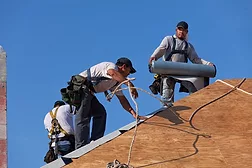
From pre-use inspections to 10-year recertifications, get familiar with the nuances of fall protection equipment requirements. Stay compliant, safe, and informed.
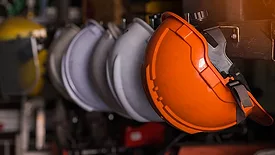
In 2020, the Bureau of Labor Statistics reports head injuries accounted for nearly 6 percent of non-fatal occupational injuries involving days away from work.
These four hazards pose a more significant threat to women than men. Construction managers should ensure female workers are safe on the job by focusing on these issues.
The mental well-being of construction employees needs to be safeguarded, and the first step is understanding just how this industry can affect the psyche of the workers within it.
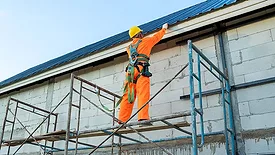
To safeguard workers from fall hazards, OSHA's fall protection standard focuses on both human-related factors and equipment-related concerns. Here are three steps you can implement to avoid fall regulation violations of the standard.
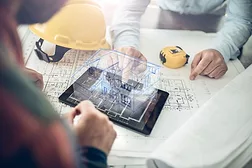
The hypergrowth in construction technology is being driven by the industry’s strong demand for infrastructure, a shortage of skilled jobsite labor and increased pressure for data transparency and integration.