ISHN logo
search
cart
facebook twitter linkedin youtube
  • Sign In
  • Create Account
  • Sign Out
  • My Account
ISHN logo
  • NEWS
    • Today's News
    • Global Safety News
    • Government Regulations
  • PRODUCTS
    • Product Innovations
    • Featured Products
  • TOPICS
    • Environmental Health and Safety
    • Facility Safety
    • Workplace Health
    • Occupational Safety
    • PPE
    • More Topics
  • CONSTRUCTION
  • TECHNOLOGY
  • COLUMNS
    • Best Practices
    • Dave Johnson: What’s going on
    • Editorial Comments
    • Leading Safety
  • MULTIMEDIA
    • ISHN Podcast
    • Videos
    • Cold Stress Education Quiz
    • Webinars
    • White Papers
  • MORE
    • Buyer's Guide
    • Newsletters
    • Convention Companion
    • Polls
    • Events
    • ISHN Store
    • Sponsor Insights
  • EMAGAZINE
    • eMagazine
    • Archived Issues
    • Contact
    • Advertise
  • JOIN TODAY!
Today's Safety NewsGovernment Safety RegulationsEnvironmental Health and Safety

Should states have right to go further than feds on chemical safety?
March 26, 2015

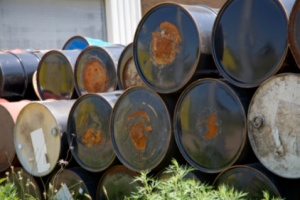
hazardous materialsTwo competing bills designed to revise the Toxic Substances Control Act (TSCA) were introduced this month, and only one is winning the approval of a public advocacy group that is concerned about the federal government's power to override states’ rights when it comes to chemical safety.

The Center for Effective Government has released an interactive map and a new report , Reducing Our Exposure to Toxic Chemicals: Stronger State Health Protections at Risk in Efforts to Reform Federal Chemical Law that examines the starkly different Senate bills attempting to fix the TSCA.

The bill introduced by Sens. Barbara Boxer (D-CA) and Edward Markey (D-MA) would enable the EPA to more quickly assess toxic chemicals and would require the agency to use a stronger safety standard to determine whether use of a chemical should be restricted. The legislation would also preserve the ability of states to go above and beyond federal minimum standards. In contrast, a bill from Sens. Tom Udall (D-NM) and David Vitter (R-LA) would make some improvements, including eliminating troublesome cost considerations in determining chemical safety, but it would prevent states from passing and enforcing stronger standards.

Litigation from chemical manufacturers

“Of the more than 20,000 new chemicals that have been registered for commercial use since the Toxic Substances Control Act passed in 1976, the EPA has required testing to assess the risks of only about 250 of them and, thanks to litigation from chemical manufacturers, has banned or restricted just nine chemicals in almost 40 years,” said Katherine McFate, President and CEO of the Center. “The public interest community and champions in Congress have been calling for more restrictions on toxic chemicals for years. With a growing body of research documenting the devastating health impacts of chemical exposure, especially on infants and children, the urgency to improve our safety standards is increasing.”

With chemical company lobbyists blocking efforts to establish stronger federal standards, states have taken the lead. For example, California requires manufacturers to put warning labels on products containing 700 cancer-causing chemicals and has developed a comprehensive program to address toxic chemicals in consumer products. In all, 38 states have passed more than 250 policies that address toxic chemicals. In addition to California, Maine, Oregon, Vermont, and Washington State have established comprehensive chemical policies that identify toxic chemicals in consumer products and require companies to use safer alternative chemicals when possible. Dozens of other states have banned or restricted individual toxic chemicals like lead, mercury, and flame retardants. Nearly 75 more protective policies are pending in 20 states, many of which would be at risk under the Udall-Vitter legislation. The industry-friendly bill would undermine future efforts to safeguard state and local residents from toxic chemicals. See the interactive map at http://arcg.is/1wsASj0.

Innovation at state, local level

“State and local governments have led the way in protecting children and vulnerable groups from dangerous chemicals,” said Ronald White, Director of Regulatory Policy at the Center and a co-author of the report. “We need to ensure that states can continue to innovate as part of any effort to improve federal law.”

The Center is urging Congress to adopt a revised TSCA that:

  • Strengthens federal law but preserves the right of state and local governments to regulate chemicals of concern with policies that meet or exceed federal minimums;
  • Enables governments at all levels to identify and prioritize chemicals of concern and establishes their authority to address the most problematic chemicals;
  • Requires the chemical industry to provide regulatory agencies with the information they need to determine whether a chemical is safe; and
  • Requires manufacturers to report health and exposure information about the chemicals they use to regulators, businesses, and the public.

Reducing Our Exposure to Toxic Chemicalsis available online at www.foreffectivegov.org/reducing-chemical-exposure, along with interactive maps of existing and proposed state chemical policies that could be at risk, which are available at http://arcg.is/1wsASj0.

KEYWORDS: chemicals hazardous materials hazmat tsca

Share This Story

Looking for a reprint of this article?
From high-res PDFs to custom plaques, order your copy today!

Recommended Content

JOIN TODAY
to unlock your recommendations.

Already have an account? Sign In

  • forklift safety

    Exploring the latest technologies in forklift safety

    With more staff and more stock in warehousing now more...
    Workplace Training Strategies
    By: Josh Cramer
  • welding

    All about welder’s flash or arc eye

    A flash burn is a painful inflammation of the cornea,...
    Environmental Health and Safety
  • dangerous jobs

    The 10 most dangerous jobs in the U.S.

    On-the-job deaths have been rising — hitting the highest...
    Occupational Safety
    By: Benita Mehta
Manage My Account
  • eMagazine Subscriptions
  • ISHN Newsletter & Other Newsletter Alerts
  • Online Registration
  • Manage My Preferences
  • Subscription Customer Service

More Videos

Sponsored Content

Sponsored Content is a special paid section where industry companies provide high quality, objective, non-commercial content around topics of interest to the ISHN audience. All Sponsored Content is supplied by the advertising company and any opinions expressed in this article are those of the author and not necessarily reflect the views of ISHN or its parent company, BNP Media. Interested in participating in our Sponsored Content section? Contact your local rep!

close
  • man wearing the the Sundström SR200 Full Face Mask Respirator
    Sponsored byOHD

    5 Fit Testing Mistakes That Could Cost You

  • This image shows Magid AcuSpex polarized blue mirrored safety glasses.
    Sponsored byMagid Glove and Safety

    Construction PPE Guide: What Crews Need for Each Task

  • lone worker in confined space
    Sponsored byAlphasense Ltd.

    GET THE LEAD OUT of your Safety Oxygen Sensors!

Popular Stories

SpaceX 7 launch

OSHA Investigating Fatal Fall at SpaceX Starbase

dust explosion

Tennessee OSHA Issues Record $3.1M Fine After Deadly Explosion at Munitions Plant

Worker Impairment

How to Tell When a Co-Worker is Impaired? A Safety Pro’s Challenge

top 10 most dangerous jobs

Poll

Seasonal Readiness

With the federal heat stress prevention rule on the horizon, which area of your safety program needs the most attention?
View Results Poll Archive

Products

Surviving an OSHA Audit A Management Guide, 2nd Edition

Surviving an OSHA Audit A Management Guide, 2nd Edition

See More Products

ISHN Podcasts

Related Articles

  • female worker

    You have the right to remain safe at work

    See More
  • Report on chemical facility safety finds room for improvement

    See More
  • OSHA Focusing on Chemical Plant Safety (5/20)

    See More

Related Products

See More Products
  • 1118645685.jpg

    Advanced Safety Management: Focusing on Z10 and Serious Injury Prevention, 2nd Edition

  • 1119906652.webp

    Alive and Well at the End of the Day: The Supervisor's Guide to Managing Safety in Operations, 2E

See More Products

Related Directories

  • MSA - The Safety Co.

    WE KNOW WHAT'S AT STAKE. Unpredictable work environments are often part of the job. That's why it's critically important to have the right safety equipment at the moment it matters most. MSA's complete lines of safety solutions help protect those workers at the heart of your operation.
  • Hughes Safety Showers

    Hughes design and manufacture emergency safety showers, eye/face wash units and decontamination equipment to provide you with a safer working environment, greater protection against serious injury and peace of mind that you’re compliant with crucial safety standards. From mains and tank fed safety showers to portable self-contained eye washes, we have solutions for every environment.
×

Become a Leader in Safety Culture

Build your knowledge with ISHN, covering key safety, health and industrial hygiene news, products, and trends.

JOIN TODAY
  • RESOURCES
    • Advertise
    • Contact Us
    • Directories
    • Manufacturing Division
    • Store
    • Want More
  • SIGN UP TODAY
    • Create Account
    • eMagazine
    • Newsletters
    • Customer Service
    • Manage Preferences
  • SERVICES
    • Marketing Services
    • Reprints
    • Market Research
    • List Rental
    • Survey/Respondent Access
  • STAY CONNECTED
    • LinkedIn
    • Facebook
    • YouTube
    • X (Twitter)
  • PRIVACY
    • PRIVACY POLICY
    • TERMS & CONDITIONS
    • DO NOT SELL MY PERSONAL INFORMATION
    • PRIVACY REQUEST
    • ACCESSIBILITY

Copyright ©2026. All Rights Reserved BNP Media, Inc. and BNP Media II, LLC.

Design, CMS, Hosting & Web Development :: ePublishing