ISHN logo
search
cart
facebook twitter linkedin youtube
  • Sign In
  • Create Account
  • Sign Out
  • My Account
ISHN logo
  • NEWS
    • Today's News
    • Global Safety News
    • Government Regulations
  • PRODUCTS
    • Product Innovations
    • Featured Products
  • TOPICS
    • Environmental Health and Safety
    • Facility Safety
    • Workplace Health
    • Occupational Safety
    • PPE
    • More Topics
  • CONSTRUCTION
  • TECHNOLOGY
  • COLUMNS
    • Best Practices
    • Dave Johnson: What’s going on
    • Editorial Comments
    • Leading Safety
  • MULTIMEDIA
    • ISHN Podcast
    • Videos
    • Cold Stress Education Quiz
    • Webinars
    • White Papers
  • MORE
    • Buyer's Guide
    • Newsletters
    • Convention Companion
    • Polls
    • Events
    • ISHN Store
    • Sponsor Insights
  • EMAGAZINE
    • eMagazine
    • Archived Issues
    • Contact
    • Advertise
  • JOIN TODAY!
Workplace Health

Assessing fatigue risk or “Where is that squeak coming from?”

By Todd Dawson
June 4, 2015

Ensuring a systematic approach based on objective data and information is one of the most crucial elements in the ASSESS stage of the development and implementation of a Fatigue Risk Management System (FRMS). Without this objective assessment, there is also not a clear way to measure the impact of the countermeasures that are put in place.

Ever heard the phrase “The squeaky wheel gets the grease”? This is common in the approach that many use around implementing fatigue solutions. One person or a group of people complains about the schedule, the shift rotation or start/end times of the shifts until it is changed. Or one individual has an incident that “seems” to be related to fatigue and an onslaught of new policies, procedures and programs are implemented to reduce the risk of that incident occurring again. But this approach may not necessarily reduce the risk. It also isn’t based on objective, measurable data or information. It is a knee-jerk reaction.

The goal of the assessment is to measure the overall impact fatigue plays in an operation. The use of technology often plays a large role in assessing fatigue risk but is neither required nor the only means of measurement. For example, a detailed analysis of past incidents with a focus on time of day and other fatigue related factors can provide strong insight into trends in fatigue risk. Similarly, a deep review of workers’ compensation, health care costs and even absenteeism and turnover can provide indications of the level of fatigue employees may be experiencing.

There are many different types of technology that can be used as part of a comprehensive fatigue risk assessment. These include validated surveys like the Safety Perception Survey, fatigue modeling software such as FAST, sleep/alertness wearables like the Readiband and in-cab fatigue detection solutions like the Driver Safety System (DSS). When utilizing technology in a fatigue risk assessment, it is crucial to manage its introduction and use. Improper and ineffective introduction of technology can derail efforts toward the development and implementation of an FRMS. More detail on the most effective use of technology will follow in later posts.

With the results of a comprehensive fatigue risk assessment in hand, the scope of fatigue risk and its impact on the safety of the workforce, the operation itself and the excess costs of fatigue can be determined. These “pain points” then lead to the next stage of FRMS development, which is to DEFINE the countermeasures that address the fatigue risks. This will be the topic of our next post. Until then, have a look at the last year or two of incidents in your operation and try to identify trends in the timing of the incidents. Clusters of incidents in the early morning hours are often a strong indicator that fatigue played some part….

Until next time,

Todd Dawson

KEYWORDS: accident accident prevention

Share This Story

Looking for a reprint of this article?
From high-res PDFs to custom plaques, order your copy today!

Todd Dawson is Caterpillar Safety Services’ Fatigue Services Manager and Senior Consultant. During the past 20 years, Todd has become one of the leading experts in developing and implementing comprehensive fatigue risk management systems in large and complex environments. He received his Bachelor of Science degree in Biological Anthropology from Harvard University.

Recommended Content

JOIN TODAY
to unlock your recommendations.

Already have an account? Sign In

  • forklift safety

    Exploring the latest technologies in forklift safety

    With more staff and more stock in warehousing now more...
    Workplace Training Strategies
    By: Josh Cramer
  • welding

    All about welder’s flash or arc eye

    A flash burn is a painful inflammation of the cornea,...
    Environmental Health and Safety
  • dangerous jobs

    The 10 most dangerous jobs in the U.S.

    On-the-job deaths have been rising — hitting the highest...
    Government Safety Regulations
    By: Benita Mehta
Manage My Account
  • eMagazine Subscriptions
  • ISHN Newsletter & Other Newsletter Alerts
  • Online Registration
  • Manage My Preferences
  • Subscription Customer Service

More Videos

Sponsored Content

Sponsored Content is a special paid section where industry companies provide high quality, objective, non-commercial content around topics of interest to the ISHN audience. All Sponsored Content is supplied by the advertising company and any opinions expressed in this article are those of the author and not necessarily reflect the views of ISHN or its parent company, BNP Media. Interested in participating in our Sponsored Content section? Contact your local rep!

close
  • man wearing the the Sundström SR200 Full Face Mask Respirator
    Sponsored byOHD

    5 Fit Testing Mistakes That Could Cost You

  • This image shows Magid AcuSpex polarized blue mirrored safety glasses.
    Sponsored byMagid Glove and Safety

    Construction PPE Guide: What Crews Need for Each Task

  • lone worker in confined space
    Sponsored byAlphasense Ltd.

    GET THE LEAD OUT of your Safety Oxygen Sensors!

Popular Stories

SpaceX 7 launch

OSHA Investigating Fatal Fall at SpaceX Starbase

Worker Impairment

How to Tell When a Co-Worker is Impaired? A Safety Pro’s Challenge

Automated loading dock equipment

After March 2026 Rivian Death, Safety Managers Reassess Loading Dock Systems Under OSHA's Warehouse Emphasis Program

top 10 most dangerous jobs

Poll

Seasonal Readiness

With the federal heat stress prevention rule on the horizon, which area of your safety program needs the most attention?
View Results Poll Archive

Products

Surviving an OSHA Audit A Management Guide, 2nd Edition

Surviving an OSHA Audit A Management Guide, 2nd Edition

See More Products

ISHN Podcasts

Related Articles

  • “Weird noise coming from the chipper” as employee is dragged to his death

    See More
  • Coming from abroad? Resources to help you get to Safety 2014

    See More
  • Better first-responder protections coming from OSHA?

    See More

Related Products

See More Products
  • 1118911040.jpg

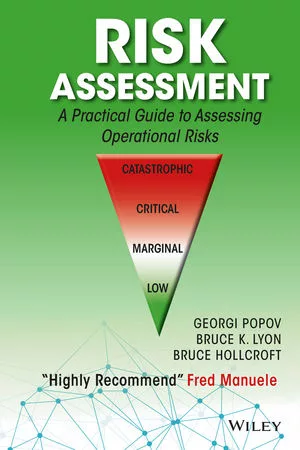
    Risk Assessment: A Practical Guide to Assessing Operational Risks

  • industrial hy.jpg

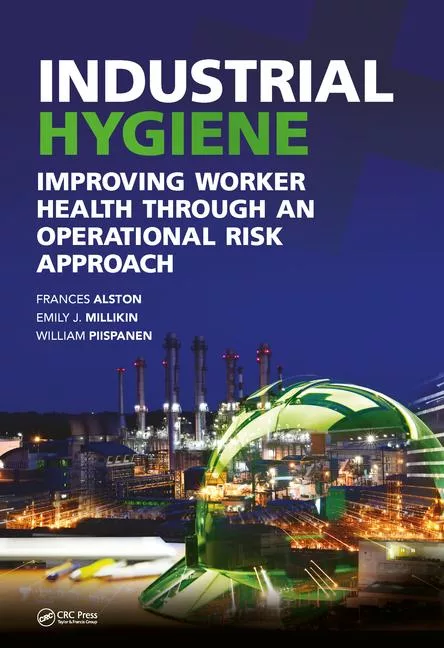
    Industrial Hygiene: Improving Worker Health through an Operational Risk Approach

See More Products

Related Directories

  • LineDrive

    LineDrive is a solutions-based sales agency that specializes in People Safety, Facility Safety, and Facility Maintenance & Productivity. We partner with top brands to deliver services and solutions that keep your facility safe and productive. Our services and solutions are free of charge; we simply ask that if we help solve a problem, reduce risk or increase productivity, that you support our partner brands with a purchase via your preferred distributor.
  • SonicAire

    SonicAire is the global leader in engineered solutions for combustible dust control. Our patented fan systems use BarrierAire™ technology to prevent dust from settling in overhead and hard-to-reach areas—helping facilities stay compliant with OSHA, NFPA, and insurance requirements. Thousands of manufacturers across wood products, food, grain, textiles, plastics, and more trust SonicAire to: Eliminate the risk of dust-related fires and explosions Automate housekeeping in overhead areas Protect worker health with improved air quality Reduce manual cleaning costs and production downtime Our systems are engineered for your facility, installed with precision, and backed by our Compliance Guarantee—because when it comes to safety, good enough is never enough. Create a cleaner, safer, and more compliant facility with SonicAire. ���� Visit www.SonicAire.com or call (336) 712-2437.
×

Become a Leader in Safety Culture

Build your knowledge with ISHN, covering key safety, health and industrial hygiene news, products, and trends.

JOIN TODAY
  • RESOURCES
    • Advertise
    • Contact Us
    • Directories
    • Manufacturing Division
    • Store
    • Want More
  • SIGN UP TODAY
    • Create Account
    • eMagazine
    • Newsletters
    • Customer Service
    • Manage Preferences
  • SERVICES
    • Marketing Services
    • Reprints
    • Market Research
    • List Rental
    • Survey/Respondent Access
  • STAY CONNECTED
    • LinkedIn
    • Facebook
    • YouTube
    • X (Twitter)
  • PRIVACY
    • PRIVACY POLICY
    • TERMS & CONDITIONS
    • DO NOT SELL MY PERSONAL INFORMATION
    • PRIVACY REQUEST
    • ACCESSIBILITY

Copyright ©2026. All Rights Reserved BNP Media, Inc. and BNP Media II, LLC.

Design, CMS, Hosting & Web Development :: ePublishing