ISHN logo
search
cart
facebook twitter linkedin youtube
  • Sign In
  • Create Account
  • Sign Out
  • My Account
ISHN logo
  • NEWS
    • Today's News
    • Global Safety News
    • Government Regulations
  • PRODUCTS
    • Product Innovations
    • Featured Products
  • TOPICS
    • Environmental Health and Safety
    • Facility Safety
    • Workplace Health
    • Occupational Safety
    • PPE
    • More Topics
  • CONSTRUCTION
  • TECHNOLOGY
  • COLUMNS
    • Best Practices
    • Dave Johnson: What’s going on
    • Editorial Comments
    • Leading Safety
  • MULTIMEDIA
    • ISHN Podcast
    • Videos
    • Cold Stress Education Quiz
    • Webinars
    • White Papers
  • MORE
    • Buyer's Guide
    • Newsletters
    • Convention Companion
    • Polls
    • Events
    • ISHN Store
    • Sponsor Insights
  • EMAGAZINE
    • eMagazine
    • Archived Issues
    • Contact
    • Advertise
  • JOIN TODAY!
PPE

Wear trials can help you select flame-resistant clothing
By Craig Tutterow
flame-resistant clothing

Photos courtesy of Mount Vernon FR

November 1, 2016

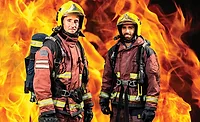
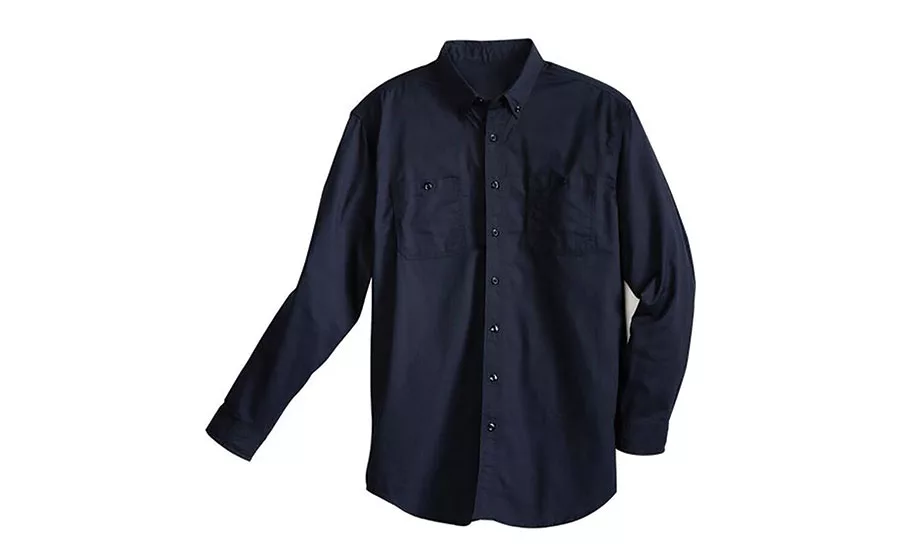
Executing a wear trial may be the best way to obtain comprehensive information that will aid in your decision-making process for choosing the proper flame-resistant clothing (FRC) for your workforce.

The growing number of FRC options on the market offer a greater selection than ever before, but also complicate the evaluation process. The first step may be screening products to find those that meet all of the requirements for protection from hazards such as electric arc flash or flash fire. Finding the right FRC to satisfy your workforce requires working with fabric and garment manufacturers to find the best combination of fiber blend, fabric construction and weight for your application. Be sure to pay attention and ask questions. Look for the proof behind claims, and decide if the data is reasonable, substantial and relevant. It’s also important to understand the important role that wear trials can play in the selection process — laboratory tests and manufacturers’ claims can only take you so far. 

Hard terms to define

Breathability and weight have become common terms used in the search for more comfortable protective garments, so we’ll focus on these two aspects. Lighter weight garments are often requested because lighter weight is perceived as more comfortable. But this may not always be the case. A plastic bag is a helpful analogy; a plastic bag is certainly lightweight, but probably not very comfortable to wear. So fabric weight alone is not enough to deliver comfort to the wearer.

The term “breathability” is hard to define. Common useage seems to combine air permeability, moisture management and absorbency into a single word. Unfortunately, there is no real test or value that can accurately be called breathability. Air permeability is sometimes promoted as measuring breathability, but that’s only part of the comfort equation. Think of a plastic bag with holes punched out; it may have high air permeability, but it would never be considered comfortable. Just as with fabric weight, breathability alone cannot equal comfort.

Deciding what’s best

Safety managers want comfortable FR fabrics for their workforce, but here again quantitative measurements don’t tell the whole story. Laboratory tests can produce results for specific properties, but garments experience a combination of wear factors that can’t be duplicated in the lab. The perception of comfort is likely determined by personal preference, environment, fit and aesthetics beyond any laboratory test. This is where a wear trial comes in; the best way to determine the optimal flame resistant fabric and garment is through a properly executed wear trial.

A study of FRC users by Mount Vernon FR and ASSE found just 16 percent of respondents conduct wear trials often or very frequently. With the total claimed FRC expenditure of responding companies reaching $215.8 million, this is a significant investment without data to support it. When done correctly, wear trials offer guidance in selection of the right fabric and garment by providing a more comprehensive evaluation of important factors such as performance and comfort.

You should adhere to a series of best practices to conduct a proper wear trial and gain the most accurate and comprehensive results. The following should be considered in your wear trial in order to ensure the best results.

Wear trial basics

  • Keep it simple – limit the number of fabrics and/or garment styles to minimize confusion. Wear trials can be challenging to manage. Follow the guidelines and give all garments a fair evaluation.  Be sure not to involve too many employees. Do consider using individuals from different shifts and areas to ensure feedback across the organization. For authenticity and to keep the results relevant, garments should be evaluated by actual occupational professionals.
  • Use standard questions and ranking scales (e.g., 5-point Likert scales) to obtain measurable feedback. Just 23 percent of survey respondents claimed to use ranking scales, and 47 percent said they use standard questions.
  • Ask questions that address the utility of the garment – Does the garment fit? Does it restrict motion or interfere with normal tasks? Are the features (pockets, snaps, etc.) useful? 
  • Allow for the evaluation of fabric and garment construction separately – Did users like the fabric but not the garment, or vice versa? According to research by Mount Vernon FR and ASSE, just 39 percent of wear trials allow separate evaluations.
  • Ask for written comments to add context to the data. Almost half of respondents said they ask for this.

A properly executed wear trial helps you select the most appropriate garments for your workforce, conveying information directly from those who will be wearing them, and delivering a more comprehensive evaluation of important factors. Ultimately, this is likely to lead to a more satisfied and safer workforce. 

KEYWORDS: arc blast Arc flash flame resistant

Share This Story

Looking for a reprint of this article?
From high-res PDFs to custom plaques, order your copy today!

Craig Tutterow is technical director of FR fabrics at Mount Vernon FR, and possesses an extensive background of 35 years of textile industry experience. Mount Vernon FR offers one of the broadest selections of flame resistant fabrics that can be used for a variety of industries, and are combined with the best in comfort, durability and softness. The company operates more than one million square feet of manufacturing space in Trion, Georgia. Every process used to make the more than 100 million yards of flame resistant fabric they’ve sold so far is done in one place through vertically integrated manufacturing.

Recommended Content

JOIN TODAY
to unlock your recommendations.

Already have an account? Sign In

  • forklift safety

    Exploring the latest technologies in forklift safety

    With more staff and more stock in warehousing now more...
    Facility Safety
    By: Josh Cramer
  • welding

    All about welder’s flash or arc eye

    A flash burn is a painful inflammation of the cornea,...
    Environmental Health and Safety
  • dangerous jobs

    The 10 most dangerous jobs in the U.S.

    On-the-job deaths have been rising — hitting the highest...
    Government Safety Regulations
    By: Benita Mehta
Manage My Account
  • eMagazine Subscriptions
  • ISHN Newsletter & Other Newsletter Alerts
  • Online Registration
  • Manage My Preferences
  • Subscription Customer Service

More Videos

Sponsored Content

Sponsored Content is a special paid section where industry companies provide high quality, objective, non-commercial content around topics of interest to the ISHN audience. All Sponsored Content is supplied by the advertising company and any opinions expressed in this article are those of the author and not necessarily reflect the views of ISHN or its parent company, BNP Media. Interested in participating in our Sponsored Content section? Contact your local rep!

close
  • man wearing the the Sundström SR200 Full Face Mask Respirator
    Sponsored byOHD

    5 Fit Testing Mistakes That Could Cost You

  • This image shows Magid AcuSpex polarized blue mirrored safety glasses.
    Sponsored byMagid Glove and Safety

    Construction PPE Guide: What Crews Need for Each Task

  • lone worker in confined space
    Sponsored byAlphasense Ltd.

    GET THE LEAD OUT of your Safety Oxygen Sensors!

Popular Stories

SpaceX 7 launch

OSHA Investigating Fatal Fall at SpaceX Starbase

Automated loading dock equipment

After March 2026 Rivian Death, Safety Managers Reassess Loading Dock Systems Under OSHA's Warehouse Emphasis Program

psychology in the workplace

Most Workplaces Measure Psychological Safety, Ignoring Psychosocial Risks

top 10 most dangerous jobs

Poll

Seasonal Readiness

With the federal heat stress prevention rule on the horizon, which area of your safety program needs the most attention?
View Results Poll Archive

Products

Surviving an OSHA Audit A Management Guide, 2nd Edition

Surviving an OSHA Audit A Management Guide, 2nd Edition

See More Products

ISHN Podcasts

Related Articles

  • flame resistant clothing

    How to assess flame-resistant clothing durability

    See More
  • What you need to know about flame-resistant clothing

    See More
  • flame-resistant clothing

    Fit is critical when choosing flame-resistant clothing

    See More

Related Products

See More Products
  • ISHN Instrument & Controls Industrial Hygiene Buyers Guide

  • Top Ten Pitfalls in OSHA Recordkeeping and How to Avoid Them

  • ANSI/AIHA/ASSE Z9.3-2007 Spray Finishing Operations: Safety Code for Design, Construction and Ventilation

See More Products

Related Directories

  • DragonWear®

    At DragonWear® we don't just create apparel products. We push the frontiers of safety and performance by inventing new technical hybrid fabrics, investing in state-of-the-art-design, and embracing technological innovation. Your work is demanding enough without worrying about your clothes working against you. That's why 'The Clothes You Live In' is more than just a tagline. It's our promise.
  • Mechanix Wear LLC

    Mechanix Wear offers a growing range of personal protective equipment, including gloves, sleeves, eyewear and protective apparel. We have over 100 premium work gloves boasting superior protection, innovative design and industry leading material technology for working hands. Mechanix Wear PPE products are available in more than 20,000 retail store locations and industrial distributors across more than 70 countries.
×

Become a Leader in Safety Culture

Build your knowledge with ISHN, covering key safety, health and industrial hygiene news, products, and trends.

JOIN TODAY
  • RESOURCES
    • Advertise
    • Contact Us
    • Directories
    • Manufacturing Division
    • Store
    • Want More
  • SIGN UP TODAY
    • Create Account
    • eMagazine
    • Newsletters
    • Customer Service
    • Manage Preferences
  • SERVICES
    • Marketing Services
    • Reprints
    • Market Research
    • List Rental
    • Survey/Respondent Access
  • STAY CONNECTED
    • LinkedIn
    • Facebook
    • YouTube
    • X (Twitter)
  • PRIVACY
    • PRIVACY POLICY
    • TERMS & CONDITIONS
    • DO NOT SELL MY PERSONAL INFORMATION
    • PRIVACY REQUEST
    • ACCESSIBILITY

Copyright ©2026. All Rights Reserved BNP Media, Inc. and BNP Media II, LLC.

Design, CMS, Hosting & Web Development :: ePublishing