Cold battle combat: Innovative multiple PPE is the armor you need
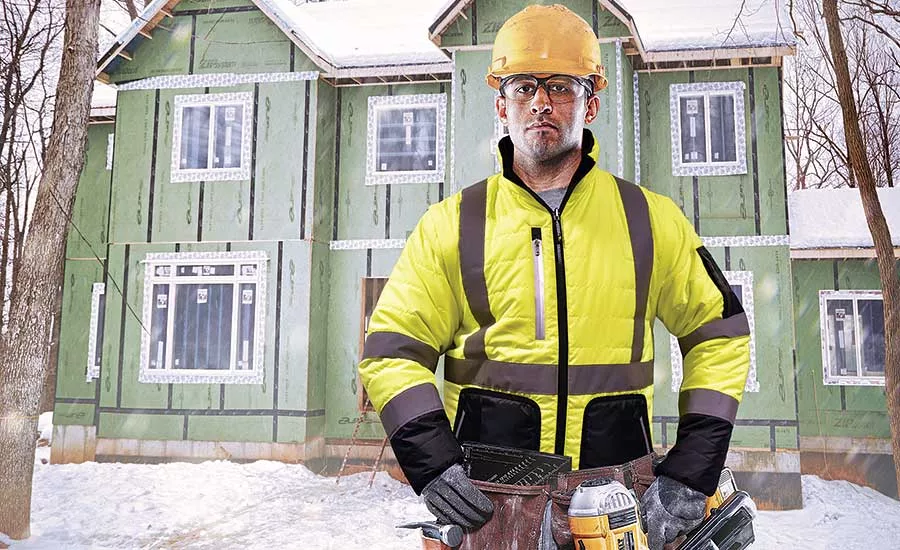
Cold weather can endanger the lives of workers whose jobs put them in the midst of frigid temperatures and extreme weather conditions. According to OSHA, protective clothing is recommended for work at or below 4 degrees Celsius or below 39.2 degrees Fahrenheit.
If outdoor workers are outfitted with proper PPE, their risks of getting hypothermia, frostbite, or catching a cold are greatly diminished. Bad weather and storms often limit visibility, so if the PPE has high-visibility features, such as reflective tape, the risk of being struck by a vehicle is also decreased. A side benefit of wearing proper PPE in harsh elements is that workers are more comfortable, which helps to improve performance and productivity.
The Centers for Disease Control and Prevention (CDC) says that hypothermia results when body temperature is below 95 degrees and often occurs from prolonged exposure to cold temperatures. Warning signs include confusion, memory loss, slurred speech, shivering, and drowsiness. According to the CDC, hypothermia “requires emergency medical assistance.”
Frostbite most often affects fingers, toes, the nose, ears, chin, and cheeks. Amputation can result from extreme cases. An initial warning sign of frostbite is pain and redness in the skin. If the skin is not protected, the skin area becomes a grayish-yellow or white. Or, the skin may become waxy and unusually firm or numb. Like hypothermia, frostbite requires medical care.
The risk of becoming a victim to hypothermia, frostbite, and other cold injuries can be greatly reduced by wearing proper PPE.
Heated jackets
One of the innovations in cold weather technology is battery-powered heated jackets. Often powered by 20V lithium-ion batteries, heated jackets feature carbon fiber heating elements that distribute heat to core body areas, such as the neck, chest, waist, and middle back. They often feature an LED controller that allows the wearer to adjust the jacket’s temperature setting to high, medium, or low. This allows workers to adjust the warmth of the jacket based on changing weather conditions or on their level of exertion or activity.
Many heated jackets in the marketplace can provide up to nine hours of core body warmth and are designed with durable fabrics that are wind and water resistant, depending on the style. The battery component often features a USB power port for charging portable electronics, such as a smart phone or iPad.
Although heated jackets are built with heavy duty construction, they are very stylish and can be worn at work, around town, and at cold outdoor activities, such as a football game.
The importance of layers
To protect your workers from cold injuries, make sure their winter work jackets include multiple layers versus single layers. Multi-layered clothing produces air pockets which trap air, providing additional thermal insulation. For winter work jackets, three layers of protection are ideal: inner, middle, and outer.
The inner layer should be a wicking material, such as polyester, silk, or polypropylene that draws moisture away from the skin. This inner layer is very important. If moisture wicking does not occur, the thermal insulation of clothing decreases 30 to 50 percent.
A lightweight, insulating middle layer made of thermal fleece, down or wool is next. If the middle layer is easily removable, such as a zip out removable fleece jacket, the worker can customize his comfort to prevent excessive sweating during strenuous activity.
The outer layer is for wind and water protection. Specify breathable, water-repellent outer fabrics, such as 300 Denier PU coated rip stop polyester that is breathable per ANSI 107, 7.6 standards (ASTME96-05).
Multiple types of PPE
In addition to multiple layers, workers need to wear head, hand, and foot protection in addition to winter jackets.
It is estimated that 40 to 50 percent of body heat is lost through the head. Plus, frostbite frequently affects the ears, nose, cheeks, and chin. Wearing protective head gear, such as a liner under a hard hat, helps to reduce heat loss and the risk of frostbite. Thermal balaclavas can also be worn under hard hats or alone for added warmth and comfort. Wearing a scarf around the neck can keep you warm, but a scarf can get caught in machinery. Thermal liners and balaclavas are safer choices.
It’s critical to protect workers’ hands and feet from cold weather stress as frostbite has claimed numerous fingers and toes. Severe frostbite cases can often lead to amputation so it is very important to provide quality hand and foot protection. Choose insulated and water-resistant gloves and footwear, whose design features apply to the specific tasks of the worker. Insulated boots are better for cold weather than shoes. Boots span the ankles preventing heat loss at a thinly insulated region of the foot. Thick insulated soles are crucial because heat loss occurs when the foot hits cold ground. Double layer thermal socks are always a good choice.
Features to look for
When buying cold weather PPE, make sure the products you select have multiple product features that provide additional warmth, comfort, and protection. Some of these features include:
- Elasticized waistband and wrist cuffs to keep the elements out;
- Zip-out removable fleece jacket to allow for weather changes or physical activity changes;
- High-visibility material and silver reflective tape to keep you visible during a winter storm;
- Ergonomically-designed products that are comfortable to wear;
- Thermal-lined pockets to help keep your hands warm;
- Breathable mesh to wick moisture away from your body;
- Waterproof and breathable PU Coatings on the exterior of apparel to keep you dry;
- Battery-powered heated jackets that provide hours of warmth that you control via heat settings.
Don’t forget convenience and versatility features like 3-in-1 designs, such as a balaclava that easily converts into a neck gator or face shield or bomber jackets and parkas that can be worn three ways. There are even 4-in-1 reversible jacket designs with zip-off sleeves that convert a safety jacket into a safety vest or reverse to a fashion jacket and vest to wear after work.
Before the winter season begins, hold a safety meeting and discuss hypothermia, frostbite, and cold stress first aid. Explain your inclement weather policy and hand out winter gear to your work crew. Keeping workers warm and dry improves morale and productivity on winter jobsites. Leading manufacturers of PPE have product champions and safety specialists to help you choose your winter safety gear.
Looking for a reprint of this article?
From high-res PDFs to custom plaques, order your copy today!