Mind your LOTO gaps: 10 lockout-tagout challenges & solutions
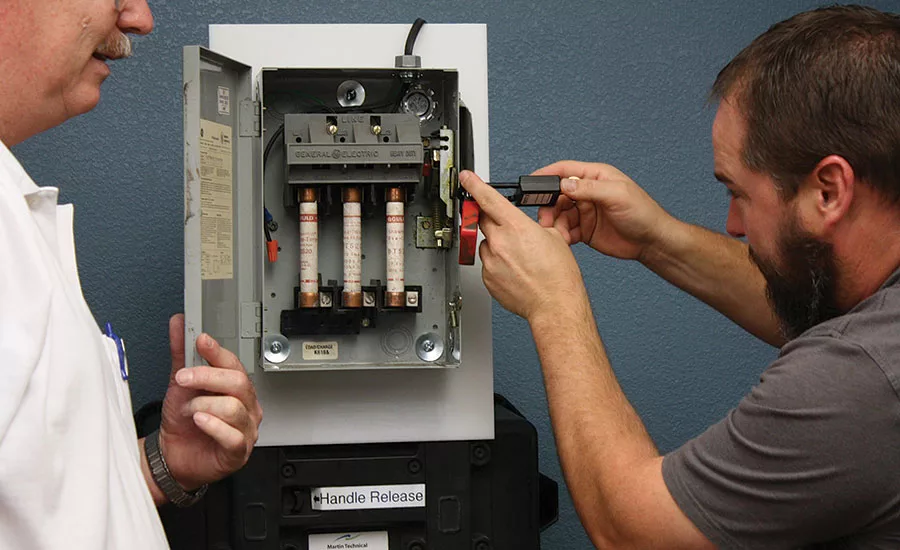
OSHA 1910.147 outlines the requirements for the control of hazardous energy (lockout/tagout) with specifics on written programs, machine-specific written procedures, training, and periodic inspections. Unfortunately, as with many OSHA requirements, they inform you “what” to do, but not “how” do it, and leave this part up to the employer. The challenge for many employers is the lack of knowledge or experience to effectively implement the OSHA lockout guidelines so that they are effective and meaningful.
1. Select and develop a LOTO champion
A lockout program will only be as strong as its leader. If there is not someone confidently in charge who has the knowledge and control of your lockout program, then this is your first point of correction. Pick a champion, give them the authority to do their job, and provide access to training and learning that will allow them to develop the necessary skills to be effective.
2. Write machine-specific lockout procedures
Writing proper machine-specific lockout procedures is by far the most time-consuming, expensive and complex part of implementing a lockout program. Procedure development can be done internally, but a professional’s familiarity with lockout procedure writing increases the quality control and helps minimize the missing steps or energy sources when written internally. But not all lockout service providers are the same, so vetting the experience and expertise should be a part of your selection process.
3. Select and use proper locks and lockout devices
Once machine-specific lockout procedures are written, the proper selection of locks and lockout devices should be chosen. However, this step frequently gets passed over, resulting in too much equipment, too little equipment, or not the right equipment. In order to identify and select the proper devices and locks, complete an assessment to determine the exact devices required for shutting down a machine, zone or area, with consideration for the maximum number of machines that would be shut down at the same time, and the number of devices required to perform this lockout scenario.
4. Identify when lockout is required and what to lock out
Identifying when lockout is required is certainly the most confusing part of a lockout program for maintenance workers. There is even more confusion when it comes to troubleshooting equipment or performing particular tasks that require the equipment to be energized, which includes testing and adjustment of machinery. The solutions here aren’t quite as straightforward and require a degree of lockout expertise and analysis of the task in order to make the proper choice.
5. Conduct effective and meaningful lockout training
There is a wide range of lockout training options for authorized persons (those performing lockout on machines). Proper training should not only include the standards, but the application of the standards to the worker’s particular jobs and tasks. Effective training should include any details from your written lockout program that are unique to your organization. Lockout training should include review and application of your particular procedures, locking scheme and devices. And finally, proper training should include interfacing and applying lockout to actual equipment.
6. Enforce noncompliance
A big gap in many lockout programs is the lack of clear or effective policy for when workers are found to be non-compliant in application of lockout. Identifying the disciplinary actions of non-compliance and who is in charge of enforcing the program is critical to lockout program success, and should be clearly stated in your written lockout program and be part of your training program.
7. Encourage near-miss reporting
Near miss reporting is an important link to identifying gaps and errors in your lockout program, but many companies have a culture that represses near miss reporting instead of encouraging it. When it’s not reported upstream, there is no chance for the lockout champion to assess the problem and put additional safeguards or lockout controls in place. So in order to help prevent a near miss from turning into an injury, organizations need to encourage near miss reporting, and thank the workers for reporting them instead of punishing them.
8. Perform periodic inspections
OSHA states that the employer shall conduct a periodic inspection of the energy control procedure at least annually to ensure that the procedure and the requirements of this standard are being followed. The certification shall identify the machine or equipment on which the energy control procedure was being utilized, the date of the inspection, the employees included in the inspection, and the person performing the inspection.
9. Manage and document machinery procedure changes
Perhaps the most challenging role for a lockout champion is change management as this requires a process for tracking and managing procedures and standards, and may involve multiple departments, including contractors. To start, any machine upgrades or new machine introduction need to be compliant for locking out, and should be designed with lockout safety in mind. This requires being involved with the planning stages with engineering and/or purchasing. If changes are made internally, there must be a process put in place to capture the changes, and someone assigned for managing the process and updating the procedures.
10. Balance safety & production
Implementing proper and effective lockout programs can be challenging, but once implemented, safety, time and quality can be improved. It all starts with assigning a lockout champion who has the knowledge and authority, and requires the cooperation of multiple departments and levels of workforce. Implementation also takes time and investment and may require the services of third parties. It can’t all be accomplished at once, so prioritize your needs, assign budgets, and take on one task at a time.
Looking for a reprint of this article?
From high-res PDFs to custom plaques, order your copy today!


