ISHN logo
search
cart
facebook twitter linkedin youtube
  • Sign In
  • Create Account
  • Sign Out
  • My Account
ISHN logo
  • NEWS
    • Today's News
    • Global Safety News
    • Government Regulations
  • PRODUCTS
    • Product Innovations
    • Featured Products
  • TOPICS
    • Environmental Health and Safety
    • Facility Safety
    • Workplace Health
    • Occupational Safety
    • PPE
    • More Topics
  • CONSTRUCTION
  • TECHNOLOGY
  • COLUMNS
    • Best Practices
    • Dave Johnson: What’s going on
    • Editorial Comments
    • Leading Safety
  • MULTIMEDIA
    • ISHN Podcast
    • Videos
    • Cold Stress Education Quiz
    • Webinars
    • White Papers
  • MORE
    • Buyer's Guide
    • Newsletters
    • Convention Companion
    • Polls
    • Events
    • ISHN Store
    • Sponsor Insights
  • EMAGAZINE
    • eMagazine
    • Archived Issues
    • Contact
    • Advertise
  • JOIN TODAY!
Workplace Health

A NIOSH Science Blog post

Grounds for change: Reducing noise exposure in grounds management professionals – Part 1

By Bryan Beamer PhD PE CSP, Asha Brogan PhD PE CSP, Jackie DiFrancesco BA, COHC
noise
August 10, 2018

While the dog days of summer mean slowing down for some people, sunshine brings the busy season for those in the grounds management professions, which includes landscaping, tree care and horticulture. This summer work means breaking out tools that can create loud noise: lawn mowers, edgers, chainsaws, chippers — just to name a few. This noise is more than just an annoyance, it can create long-term health effects including hearing loss, tinnitus (ringing in the ears) and even cardiovascular issues [Babisch 2011; Kerns et al. 2018]. This two-part blog series provides basic information for grounds management professions about how to identify dangerous levels of noise exposure and what to do to protect themselves and others from the harmful effects of noise.

What’s the problem?

Chronic noise exposure can lead to tinnitus and/or hearing loss. These effects are sometimes experienced as a temporary response after a period of loud noise. Many people have come home from a concert or other loud event with muffled hearing and their ears ringing, only to wake up the next morning feeling back to normal. These symptoms, while temporary, are an indication that damage is occurring inside the ear. Repeated loud noise exposure over weeks, months or years can eventually lead to permanent damage. For landscapers, or other grounds management professionals, who are regularly using noisy tools on the job, the tinnitus may become constant. The effects of living with chronic tinnitus can range from annoying to completely debilitating. Repeated noise exposure can also lead to permanent hearing loss. Hearing loss has lifelong effects which can include difficulty communicating, increased risk of injury on the job, and mental health issues like anxiety and depression [Arlinger 2003].

Who is affected?

An estimated 912,360 people in the U.S. are employed as landscapers or groundskeepers, with another 100,320 employed as first-line supervisors of landscaping, lawn service and grounds keeping workers [BLS 2017]. For these people who regularly use tools that create hazardous noise, hearing loss can be a real concern. Landscapers and groundskeepers are not alone; each year approximately 22 million workers in the U.S. are exposed to potentially damaging noise [Kerns et al. 2018]. Hearing loss is considered one of the most common occupational injuries in the United States, and carries high personal and societal cost and yet it is preventable.

What is a safe level of noise?

Sound level is measured in decibels (dB). Workplace sound levels are usually “A-weighted” (dBA), which takes into account the sensitivity of the human ear. A whisper is about 30 dBA, a normal conversation is about 60 dBA, and a jackhammer is about 130 dBA. Noise is considered hazardous when it is 85 dBA or above [NIOSH 1998]. If you must raise your voice when talking to someone about 3 feet away, the noise level is probably at least 85 dBA. You can download a sound measurement app to your smartphone to check noise levels, such as the NIOSH Sound Level Meter App.

How loud are noise levels in the grounds management industry?

A recent study by Balanay et al. [2016] looked at noise exposure among university groundskeepers. They measured the sound levels of several common landscaping tools and found that many produced a maximum level higher than 85 dBA. Table 1 shows some of the tools and levels they measured; the ranges are from different models of the same type of equipment.

Tool

Noise Level (dBA)

Push Mower

86-92

Riding Mower

88-96

Leaf blower

95-106

Edger

98-106

Chipper

102-106

Chainsaw

105-109

Table 1. Tool maximum levels by type from Balanay et al. [2016].

Operating tools that are louder than 85 dBA can make communicating on the job difficult and create a safety hazard. Repeated exposure to loud noise can create lifelong health issues. Negative effects of noise exposure are preventable if you know how and when to implement effective noise reduction strategies. It is important for those operating loud tools, and their managers, to be aware of these health risks, and potential solutions. Explore the NIOSH noise and hearing loss page to learn more about hazardous noise levels and your health. Check back next week for Part 2 of this series to learn strategies to reduce your noise exposure.

References

Arlinger S [2003]. Negative consequences of uncorrected hearing loss-a review. Int J Audiol 42: 2S17-2S20.

Balanay JA, Kearney GD, Mannarino AJ [2016]. Assessment of occupational noise exposure among groundskeepers in North Carolina public universities. Environ Health Insights 10:EHI-S39682, https://doi.org/10.4137/EHI.S39682.

Babisch W [2011]. Cardiovascular effects of noise. Noise Health 13(52):201-204.

BLS [2017]. May 2017 National occupational employment and wage estimates United States. In: Occupational Employment Statistics. Washington, DC: Bureau of Labor Statistics, https://www.bls.gov/oes/current/oes_nat.htm.

Kerns E, Masterson E, Themann C, Calvert G [2018]. Cardiovascular conditions, hearing difficulty, and occupational noise exposure within US industries and occupations. Am J Ind Med 61(6), 477-491.

NIOSH [1998]. National Institute for Occupational Safety and Health (NIOSH) Criteria for a Recommended Standard: Occupational Noise Exposure, revised criteria. Cincinnati, OH: US Department of Health and Human Services, Public Health Service, Centers for Disease Control and Prevention, Publication 98-126.

KEYWORDS: hearing conservation hearing loss occupational exposure

Share This Story

Looking for a reprint of this article?
From high-res PDFs to custom plaques, order your copy today!

Recommended Content

JOIN TODAY
to unlock your recommendations.

Already have an account? Sign In

  • forklift safety

    Exploring the latest technologies in forklift safety

    With more staff and more stock in warehousing now more...
    Facility Safety
    By: Josh Cramer
  • welding

    All about welder’s flash or arc eye

    A flash burn is a painful inflammation of the cornea,...
    Environmental Health and Safety
  • dangerous jobs

    The 10 most dangerous jobs in the U.S.

    On-the-job deaths have been rising — hitting the highest...
    Construction Industry Safety and Health
    By: Benita Mehta
Manage My Account
  • eMagazine Subscriptions
  • ISHN Newsletter & Other Newsletter Alerts
  • Online Registration
  • Manage My Preferences
  • Subscription Customer Service

More Videos

Sponsored Content

Sponsored Content is a special paid section where industry companies provide high quality, objective, non-commercial content around topics of interest to the ISHN audience. All Sponsored Content is supplied by the advertising company and any opinions expressed in this article are those of the author and not necessarily reflect the views of ISHN or its parent company, BNP Media. Interested in participating in our Sponsored Content section? Contact your local rep!

close
  • man wearing the the Sundström SR200 Full Face Mask Respirator
    Sponsored byOHD

    5 Fit Testing Mistakes That Could Cost You

  • This image shows Magid AcuSpex polarized blue mirrored safety glasses.
    Sponsored byMagid Glove and Safety

    Construction PPE Guide: What Crews Need for Each Task

  • lone worker in confined space
    Sponsored byAlphasense Ltd.

    GET THE LEAD OUT of your Safety Oxygen Sensors!

Popular Stories

SpaceX 7 launch

OSHA Investigating Fatal Fall at SpaceX Starbase

Worker Impairment

How to Tell When a Co-Worker is Impaired? A Safety Pro’s Challenge

Automated loading dock equipment

After March 2026 Rivian Death, Safety Managers Reassess Loading Dock Systems Under OSHA's Warehouse Emphasis Program

top 10 most dangerous jobs

Poll

Seasonal Readiness

With the federal heat stress prevention rule on the horizon, which area of your safety program needs the most attention?
View Results Poll Archive

Products

Surviving an OSHA Audit A Management Guide, 2nd Edition

Surviving an OSHA Audit A Management Guide, 2nd Edition

See More Products

ISHN Podcasts

Related Articles

  • award winners

    Hear and Now Noise Safety Challenge Winners: Part 1 of 3

    See More
  • col-LeadingSafety-0623-fig1ForWeb.png

    A new perspective on safety management | Part 1 of 2

    See More
  • safety management systems

    An actionable safety plan: Part 1- Improving safety performance

    See More

Related Products

See More Products
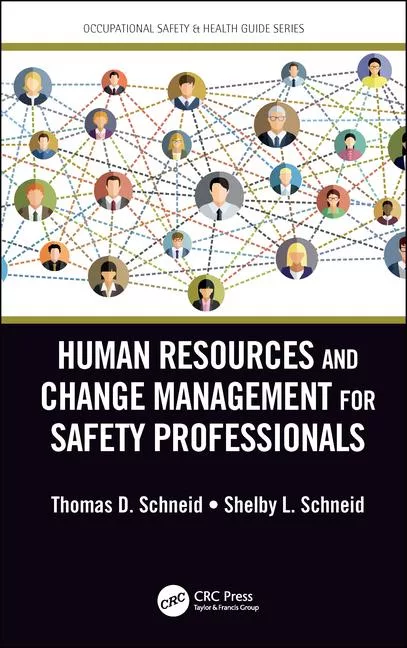
  • human resources.jpg

    Human Resources and Change Management for Safety Professionals

See More Products

Events

View AllSubmit An Event
  • October 18, 2017

    ACGIH® TLV® For Audible Sound – Understanding the Proposed Notice of Intended Change to The Acgih® Tlv® for Noise

    Occupational noise exposures represent an important but under-recognized cause of disease and disability in the United States. Now titled as Audible Sound, the ACGIH® Threshold Limit Values for Physical Agents (TLV®-PA) Committee has proposed a revision to the TLV® for Noise.
  • March 4, 2015

    ACGIH® TLV® for Heat Stress and Strain in the Context of Heat Stress Management webinar

    While the Heat Stress and Strain TLV® is designed for exposure assessment, it exists in the context of an integrated heat stress management program. This webinar will outline the components of a heat stress management program to illustrate how the TLV® can be used for exposure assessment and the development of controls.
View AllSubmit An Event

Related Directories

  • Safe Site Check In LLC

    Make Jobsite Management Easy(™). Safe Site Check In saves jobsite safety, super, project, and cost managers hours a day including: Digital badging, onboarding & training, Safety screening, Daily log creation Safety JSA, EAP, SDS Project management integration, Subcontractor management, Remote site monitoring, Worker profiles, Incident investigations.
×

Become a Leader in Safety Culture

Build your knowledge with ISHN, covering key safety, health and industrial hygiene news, products, and trends.

JOIN TODAY
  • RESOURCES
    • Advertise
    • Contact Us
    • Directories
    • Manufacturing Division
    • Store
    • Want More
  • SIGN UP TODAY
    • Create Account
    • eMagazine
    • Newsletters
    • Customer Service
    • Manage Preferences
  • SERVICES
    • Marketing Services
    • Reprints
    • Market Research
    • List Rental
    • Survey/Respondent Access
  • STAY CONNECTED
    • LinkedIn
    • Facebook
    • YouTube
    • X (Twitter)
  • PRIVACY
    • PRIVACY POLICY
    • TERMS & CONDITIONS
    • DO NOT SELL MY PERSONAL INFORMATION
    • PRIVACY REQUEST
    • ACCESSIBILITY

Copyright ©2026. All Rights Reserved BNP Media, Inc. and BNP Media II, LLC.

Design, CMS, Hosting & Web Development :: ePublishing