ISHN logo
search
cart
facebook twitter linkedin youtube
  • Sign In
  • Create Account
  • Sign Out
  • My Account
ISHN logo
  • NEWS
    • Today's News
    • Global Safety News
    • Government Regulations
  • PRODUCTS
    • Product Innovations
    • Featured Products
  • TOPICS
    • Environmental Health and Safety
    • Facility Safety
    • Workplace Health
    • Occupational Safety
    • PPE
    • More Topics
  • CONSTRUCTION
  • TECHNOLOGY
  • COLUMNS
    • Best Practices
    • Dave Johnson: What’s going on
    • Editorial Comments
    • Leading Safety
  • MULTIMEDIA
    • ISHN Podcast
    • Videos
    • Cold Stress Education Quiz
    • Webinars
    • White Papers
  • MORE
    • Buyer's Guide
    • Newsletters
    • Convention Companion
    • Polls
    • Events
    • ISHN Store
    • Sponsor Insights
  • EMAGAZINE
    • eMagazine
    • Archived Issues
    • Contact
    • Advertise
  • JOIN TODAY!
Government Safety RegulationsOccupational SafetyCoronavirus Coverage

Virginia approves permanent COVID-19 Safety and Health Standard
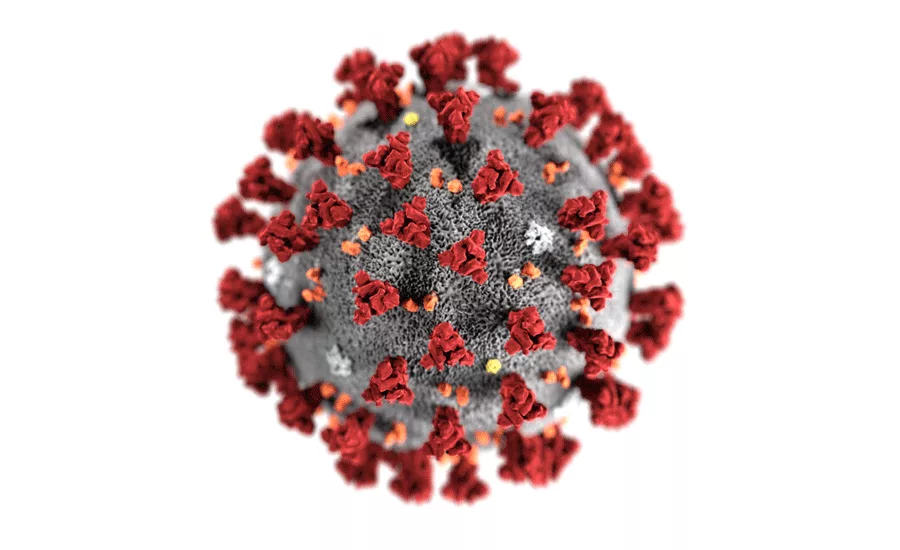
COVID-19
January 21, 2021

On Jan. 12, 2021, the Virginia Safety and Health Codes Board (Board) voted 9-4 to approve a permanent safety and health standard (Permanent Standard) requiring employers to take steps to protect workers form Coronavirus Disease (COVID-19).

On July 15, 2020, the Board approved temporary workplace safety regulations related to COVID-19 (Temporary Standard), making Virginia the first state in the country to do so. The Temporary Standard expires on Jan. 26, 2021, and though the effective date of the Permanent Standard is not yet known, it should be after Jan. 26. Some of the provisions of the Permanent Standard, including the training requirements, will not take effect until 60 days after the effective date.

The Permanent Standard largely mirrors the Temporary Standard and continues to require employers to, among other things: 

  • Group jobs into categories of high, medium, and low exposure risk;
  • Inform employees of the methods of self-monitoring for signs and symptoms of COVID-19;
  • Develop and implement policies for employees with symptoms consistent with COVID-19;
  • Provide notice to specific individuals who have had contact with infected employees;
  • Develop and implement policies and procedures for employees to return to work after testing positive for COVID-19;
  • Create a workplace infection protection program if they have job tasks with risks classified as “very high” or “high,” and/or if they have 11 or more employees with job tasks classified as “medium.”
  • Train workers on COVID-19 and its infection protection program if the employer has job tasks with risks classified as “very high” or “high”; and
  • Not discriminate or retaliate against an employee who wears their own personal protective equipment or raises a reasonable concern about infection control related to COVID-19.

Also, the Permanent Standard retains the Temporary Standard’s “safe harbor” provision. Accordingly, an employer’s actions will be considered in compliance with the Permanent Standard if they comport with a CDC recommendation, whether mandatory or non-mandatory, to mitigate COVID-19-related hazards or job tasks addressed by the Permanent Standard, if such recommendation provides equivalent or greater protection than that provided by the Permanent Standard. That said, the Permanent Standard explains that the Virginia Occupational Safety and Health Administration (VOSHA) will consult with the State Health Commissioner for advice and technical aid before making a determination related to compliance with CDC guidelines.

Note: The Permanent Standard contains some important changes of which employers should be aware including, among other things:

  • Using the phrase “close contact” (defined as being within six feet of someone with COVID-19 for a total of 15 minutes or more in a day) rather than just “six feet” when discussing COVID-19 exposure.
  • Explaining face shields are not considered a face covering and can be worn only if a face covering cannot be worn due to a medical condition.
  • Scaling back the requirement to report all positive COVID-19 cases to the Virginia Department of Health. Instead, employers will be required only to report to the Virginia Department of Health “outbreaks” of two or more cases of their own employees in the workplace within a 14-day period.
  • Changing the time-based return-to-work requirement from 10 days with three symptom-free days to 10 days with only one symptom-free day, to be consistent with CDC requirements.
  • Eliminating the requirement for employers to comply with respiratory standards when employees travel together in work vehicles due to shortages of N-95 and other respirators.
  • Explaining that VOSHA will not bring an enforcement action against employers making good faith efforts to secure personal protective equipment in short supply.
  • The Permanent Standard also requires employers with hazards or job-task risks classified as “very high,” “high,” or “medium” to implement certain ventilation controls to air-handling systems under the employer’s control including increasing airflow supply to occupied spaces (provided it does not create a greater hazard), routinely clean and inspect filters, and generate “clean-to-less clean” air movements by reevaluating the positioning of supply and exhaust air diffusers and/or dampers.

The Permanent Standard does not address COVID-19 vaccines or whether employers will be required to mandate their employees receive a COVID-19 vaccine.

Share This Story

Looking for a reprint of this article?
From high-res PDFs to custom plaques, order your copy today!

Recommended Content

JOIN TODAY
to unlock your recommendations.

Already have an account? Sign In

  • forklift safety

    Exploring the latest technologies in forklift safety

    With more staff and more stock in warehousing now more...
    Facility Safety
    By: Josh Cramer
  • welding

    All about welder’s flash or arc eye

    A flash burn is a painful inflammation of the cornea,...
    Environmental Health and Safety
  • dangerous jobs

    The 10 most dangerous jobs in the U.S.

    On-the-job deaths have been rising — hitting the highest...
    Government Safety Regulations
    By: Benita Mehta
Manage My Account
  • eMagazine Subscriptions
  • ISHN Newsletter & Other Newsletter Alerts
  • Online Registration
  • Manage My Preferences
  • Subscription Customer Service

More Videos

Sponsored Content

Sponsored Content is a special paid section where industry companies provide high quality, objective, non-commercial content around topics of interest to the ISHN audience. All Sponsored Content is supplied by the advertising company and any opinions expressed in this article are those of the author and not necessarily reflect the views of ISHN or its parent company, BNP Media. Interested in participating in our Sponsored Content section? Contact your local rep!

close
  • man wearing the the Sundström SR200 Full Face Mask Respirator
    Sponsored byOHD

    5 Fit Testing Mistakes That Could Cost You

  • This image shows Magid AcuSpex polarized blue mirrored safety glasses.
    Sponsored byMagid Glove and Safety

    Construction PPE Guide: What Crews Need for Each Task

  • lone worker in confined space
    Sponsored byAlphasense Ltd.

    GET THE LEAD OUT of your Safety Oxygen Sensors!

Popular Stories

SpaceX 7 launch

OSHA Investigating Fatal Fall at SpaceX Starbase

Automated loading dock equipment

After March 2026 Rivian Death, Safety Managers Reassess Loading Dock Systems Under OSHA's Warehouse Emphasis Program

psychology in the workplace

Most Workplaces Measure Psychological Safety, Ignoring Psychosocial Risks

top 10 most dangerous jobs

Poll

Seasonal Readiness

With the federal heat stress prevention rule on the horizon, which area of your safety program needs the most attention?
View Results Poll Archive

Products

Surviving an OSHA Audit A Management Guide, 2nd Edition

Surviving an OSHA Audit A Management Guide, 2nd Edition

See More Products

ISHN Podcasts

Related Articles

  • Critique ANSI's proposed safety and health standard

    See More
  • ANSI approves U.S. safety & health management system standard - does anyone care?

    See More
  • ANSI safety & health program standard effort keeps rolling

    See More

Related Products

See More Products
  • 9781264257829_24.jpeg

    Construction Safety: Health, Practices and OSHA

  • 9781566703703.jpg

    Safety, Health, and Asset Protection: Management Essentials, Second Edition

See More Products
×

Become a Leader in Safety Culture

Build your knowledge with ISHN, covering key safety, health and industrial hygiene news, products, and trends.

JOIN TODAY
  • RESOURCES
    • Advertise
    • Contact Us
    • Directories
    • Manufacturing Division
    • Store
    • Want More
  • SIGN UP TODAY
    • Create Account
    • eMagazine
    • Newsletters
    • Customer Service
    • Manage Preferences
  • SERVICES
    • Marketing Services
    • Reprints
    • Market Research
    • List Rental
    • Survey/Respondent Access
  • STAY CONNECTED
    • LinkedIn
    • Facebook
    • YouTube
    • X (Twitter)
  • PRIVACY
    • PRIVACY POLICY
    • TERMS & CONDITIONS
    • DO NOT SELL MY PERSONAL INFORMATION
    • PRIVACY REQUEST
    • ACCESSIBILITY

Copyright ©2026. All Rights Reserved BNP Media, Inc. and BNP Media II, LLC.

Design, CMS, Hosting & Web Development :: ePublishing