ISHN logo
search
cart
facebook twitter linkedin youtube
  • Sign In
  • Create Account
  • Sign Out
  • My Account
ISHN logo
  • NEWS
    • Today's News
    • Global Safety News
    • Government Regulations
  • PRODUCTS
    • Product Innovations
    • Featured Products
  • TOPICS
    • Environmental Health and Safety
    • Facility Safety
    • Workplace Health
    • Occupational Safety
    • PPE
    • More Topics
  • CONSTRUCTION
  • TECHNOLOGY
  • COLUMNS
    • Best Practices
    • Dave Johnson: What’s going on
    • Editorial Comments
    • Leading Safety
  • MULTIMEDIA
    • ISHN Podcast
    • Videos
    • Cold Stress Education Quiz
    • Webinars
    • White Papers
  • MORE
    • Buyer's Guide
    • Newsletters
    • Convention Companion
    • Polls
    • Events
    • ISHN Store
    • Sponsor Insights
  • EMAGAZINE
    • eMagazine
    • Archived Issues
    • Contact
    • Advertise
  • JOIN TODAY!
Government Safety RegulationsOccupational SafetyCoronavirus CoverageWorkplace Health

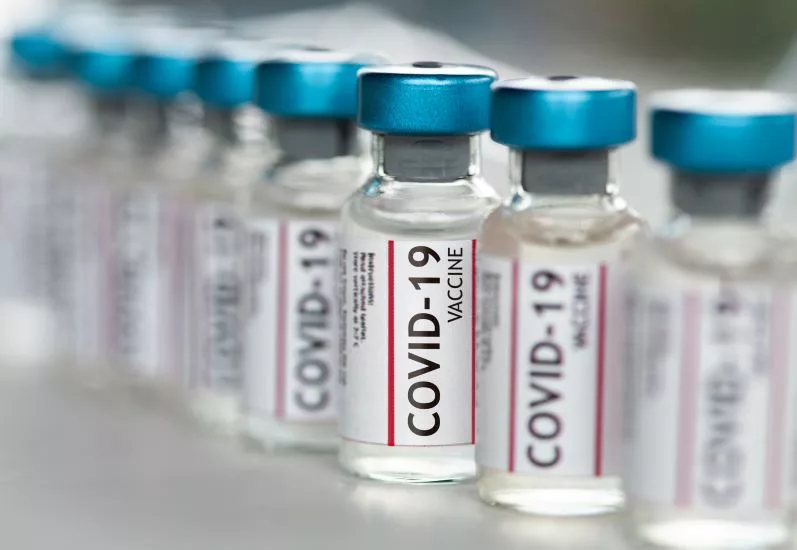
When can industrial workers get the COVID-19 vaccine?
By Devin Partida
COVID vaccine
January 28, 2021

Industrial businesses have faced unprecedented challenges amid COVID-19. Companies have dealt with shutdowns and other disruptions for almost a year now, but the end may be near. As vaccines begin to roll out, many workers now wonder when they can get vaccinated.

The industrial sector, from manufacturing to warehousing to freight to shipping, is the backbone of much of the economy. The success of many industries relies on these workers performing as efficiently as they can. As a result, ensuring employee safety is imperative.

As with many things during the pandemic, the vaccine rollout schedule isn’t always clear. Here’s when industrial workers can expect to get the COVID-19 inoculation.


Vaccine rollout phases

The CDC’s current vaccine allocation recommendations outline two phases, with the first taking place over three sub-phases. Phase 1a, the first group to receive the vaccine, covers health care personnel and long-term care facility residents. Phase 1b includes “non-health care frontline essential workers,” which could consist of some industrial sector employees.

There’s some ambiguity here since the definition of a “frontline essential worker” is rather open-ended. Most authorities agree that this refers to people who are crucial to the operation of critical infrastructure and may be at relatively high risk. Many areas use the Cybersecurity & Infrastructure Security Agency (CISA’s) Guidance on the Essential Critical Workforce to define this group in specificity.

According to CISA, “essential workers” does include some industrial employees. The most recent list includes people in these industries:

  • Energy
  • Petroleum
  • Liquid fuels
  • Water and wastewater
  • Transportation and logistics
  • Construction
  • Critical manufacturing
  • Hazardous materials
  • Chemical

Under this definition, most industrial workers fall under Phase 1b. Several states are already rolling out vaccines to these people, so they could get vaccinated now. If not, then it shouldn’t be more than a couple of weeks before they can.

Industrial workers who don’t fall under Phase 1b will almost certainly qualify for Phase 1c. Since these sectors are so crucial and working conditions are typically high-risk, employees count as essential. Phase 1c will overlap with the end of Phase 1b, most likely starting within a few months.


Differences between states

Not all states follow these guidelines. Washington, D.C., and 23 states have unique definitions of “frontline essential workers,” but there’s much overlap with CISA. Almost all of these include water, energy, construction and transportation as essential industries.

Keep in mind that not all states will follow the CDC’s recommendations for vaccine rollout, either. Most don’t differ widely from CDC guidelines, but workers should take the time to double-check where they fall according to their state.


Staying safe until vaccines are accessible

Even under the most optimistic timeline, it will likely take several months before all industrial employees can get vaccinated. As a result, these workers and the facilities that employ them should maintain anti-COVID measures for the time being.

For the more than 3.5 million truck drivers waiting for the vaccine, these measures should include social distancing, wearing masks while around others and frequent disinfection. Other industrial sectors should adhere to the same guidelines.

Manufacturing and warehousing account for the second-highest number of COVID-19 outbreaks in some areas. As such, these facilities should take extra precautions. Spacing employees out with machines between them, using ID-based contact tracing and implementing wearable proximity sensors are all recommended steps. Employers should allow anyone who can work from home to do so.


Safer days are on the horizon for industrial workers

All industries have faced difficulty amid the pandemic, but industrial sectors have dealt with more than most. These industries are critical to the U.S. economy, and facilities are often prone to outbreaks. Thankfully, the days of severe health risks for these workers may be coming to an end.

Most industrial workers should be able to get vaccinated within a few months. While the vaccine doesn’t negate the need for better health regulations, it is promising. Before the year is over, this sector will become far safer than it is now.

KEYWORDS: industrial workers manufacturing vaccinations

Share This Story

Looking for a reprint of this article?
From high-res PDFs to custom plaques, order your copy today!

Devin Partida is an industrial tech writer and the Editor-in-Chief of ReHack.com, a digital magazine for all things technology, big data, cryptocurrency and more. To read more from Devin, please check out the site.

Recommended Content

JOIN TODAY
to unlock your recommendations.

Already have an account? Sign In

  • forklift safety

    Exploring the latest technologies in forklift safety

    With more staff and more stock in warehousing now more...
    Workplace Training Strategies
    By: Josh Cramer
  • welding

    All about welder’s flash or arc eye

    A flash burn is a painful inflammation of the cornea,...
    Environmental Health and Safety
  • dangerous jobs

    The 10 most dangerous jobs in the U.S.

    On-the-job deaths have been rising — hitting the highest...
    Transportation Safety
    By: Benita Mehta
Manage My Account
  • eMagazine Subscriptions
  • ISHN Newsletter & Other Newsletter Alerts
  • Online Registration
  • Manage My Preferences
  • Subscription Customer Service

More Videos

Sponsored Content

Sponsored Content is a special paid section where industry companies provide high quality, objective, non-commercial content around topics of interest to the ISHN audience. All Sponsored Content is supplied by the advertising company and any opinions expressed in this article are those of the author and not necessarily reflect the views of ISHN or its parent company, BNP Media. Interested in participating in our Sponsored Content section? Contact your local rep!

close
  • man wearing the the Sundström SR200 Full Face Mask Respirator
    Sponsored byOHD

    5 Fit Testing Mistakes That Could Cost You

  • This image shows Magid AcuSpex polarized blue mirrored safety glasses.
    Sponsored byMagid Glove and Safety

    Construction PPE Guide: What Crews Need for Each Task

  • lone worker in confined space
    Sponsored byAlphasense Ltd.

    GET THE LEAD OUT of your Safety Oxygen Sensors!

Popular Stories

SpaceX 7 launch

OSHA Investigating Fatal Fall at SpaceX Starbase

Automated loading dock equipment

After March 2026 Rivian Death, Safety Managers Reassess Loading Dock Systems Under OSHA's Warehouse Emphasis Program

chemical safety

It Was Just Sugar: Catastrophic Safety Failures in Louisville

top 10 most dangerous jobs

Poll

Seasonal Readiness

With the federal heat stress prevention rule on the horizon, which area of your safety program needs the most attention?
View Results Poll Archive

Products

Surviving an OSHA Audit A Management Guide, 2nd Edition

Surviving an OSHA Audit A Management Guide, 2nd Edition

See More Products

ISHN Podcasts

Related Articles

  • Vaccine shot

    The big-ticket question: Can (or should) employers require the COVID-19 vaccine of employees in the workplace?

    See More
  • COVID vaccine

    More manufacturing and industrial employers are mandating COVID-19 vaccine

    See More
  • Government Covid mandates

    Who’s calling the shots? A look at the current status of Covid-19 vaccine mandates

    See More

Related Products

See More Products
  • 9781498773416.jpg

    The Legal Aspects of Industrial Hygiene and Safety

  • industrial hy.jpg

    Industrial Hygiene: Improving Worker Health through an Operational Risk Approach

  • 1119906652.webp

    Alive and Well at the End of the Day: The Supervisor's Guide to Managing Safety in Operations, 2E

See More Products

Related Directories

  • SafetyLine Lone Worker

    SafetyLine Lone Worker helps companies monitor the status of workers who are remote, alone, or working in hazardous situations. We are an automated check-in monitoring and emergency notification service. SafetyLine uses its communications infrastructure to ensure that workers have comprehensive monitoring, 24/7, without the need for costly monitoring centers.
  • Grace Industries

    How Do You Protect Your Lone Workers? Working at Heights? Check out our new WorkForce product line - Fall Detection with Immediate Notification – Prevent Suspension Trauma. Fixed Facility – No Monthly Fees. Working in the field? Check out Grace Connected Safety – Cellular and Satellite Cloud Connect
×

Become a Leader in Safety Culture

Build your knowledge with ISHN, covering key safety, health and industrial hygiene news, products, and trends.

JOIN TODAY
  • RESOURCES
    • Advertise
    • Contact Us
    • Directories
    • Manufacturing Division
    • Store
    • Want More
  • SIGN UP TODAY
    • Create Account
    • eMagazine
    • Newsletters
    • Customer Service
    • Manage Preferences
  • SERVICES
    • Marketing Services
    • Reprints
    • Market Research
    • List Rental
    • Survey/Respondent Access
  • STAY CONNECTED
    • LinkedIn
    • Facebook
    • YouTube
    • X (Twitter)
  • PRIVACY
    • PRIVACY POLICY
    • TERMS & CONDITIONS
    • DO NOT SELL MY PERSONAL INFORMATION
    • PRIVACY REQUEST
    • ACCESSIBILITY

Copyright ©2026. All Rights Reserved BNP Media, Inc. and BNP Media II, LLC.

Design, CMS, Hosting & Web Development :: ePublishing