4 ways to protect your industrial dust collector from explosions
Under pressure
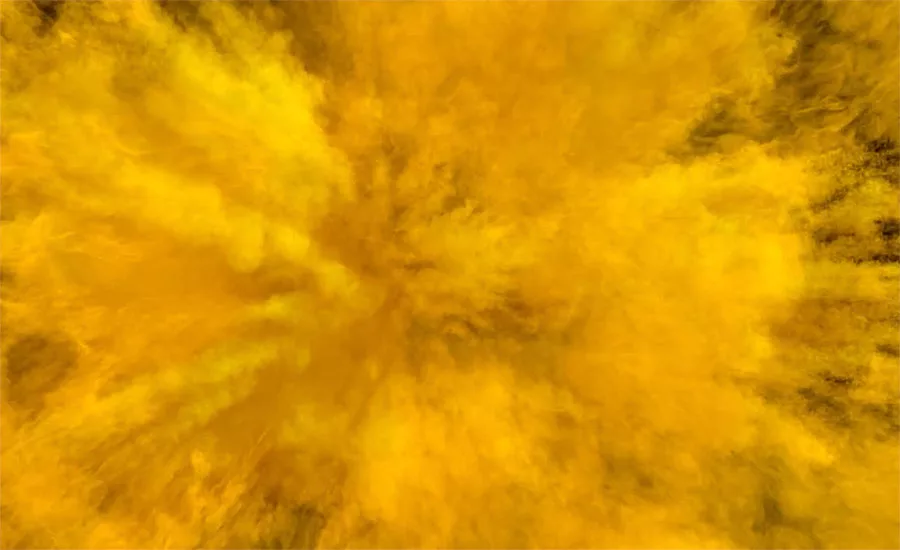
Many types of dust generated during industrial processes are combustible, including food ingredients, metals, paper, pulp, plastics, textiles, biosolids, wood, rubber, dyes, pharmaceuticals, chemicals and pesticides. In addition, the dust collection system itself can be a source of an explosion if it isn’t designed or configured properly for your operation.
A dust collector is a closed vessel that is full of dry particles, which makes it ripe for an explosion. The collector holds four out of the five elements required for an explosion: fuel (the dust), oxygen, confinement and dispersion. The fifth element is the ignition source.
An explosion usually begins when a suspended cloud of combustible dust is present in high concentration inside the collector. As the fan draws in large volumes of air, an outside spark or ember can be sucked into the collector and collide with the dust cloud under pressure, triggering an explosion. The source of the spark may be a production process, an ignition source drawn into a dust capture hood or a static electricity discharge from improperly grounded equipment nearby.
An explosion in an unprotected dust collector produces a high-pressure wave that can fragment the housing and send heat, flames and dangerous projectiles into the workplace. Obviously, this is extremely dangerous for workers, equipment and structures — especially for dust collectors that are located inside plants and processing facilities.
Dust fire and explosion facts
From January through June 2020, there were 67 dust-related fires and 11 explosions in the U.S. that injured 17 people, according to the 2020 Mid-Year Combustible Dust Incident Report (Version 5) from DustEx Research. During that timeframe, there were seven fires and two explosions in Canada and 20 fires, 13 explosions, 12 injuries and four fatalities internationally.
The report says that the number of incidents was lower during the first half of 2020 compared to previous years because of production interruptions due to the global pandemic. It notes that the number of dust explosions in the U.S. was down 30% compared to mid-year incidents over the previous five years. Moreover, dust collector fires were down across the globe. But, as the report warns, we need to be vigilant to avoid dust explosions and fires as facilities come back online, adjust working conditions to comply with pandemic guidelines or operate with a reduced crew.
Dust control standards and recommendations
The National Fire Protection Association (NFPA) sets and updates safety standards regarding combustible dust. Most insurance agencies and local fire codes require facilities that generate combustible dust to follow NFPA standards. NFPA 652 – Standard on the Fundamentals of Combustible Dust covers the requirements for managing combustible dust fires and explosions across industries, processes and dust types. Under this standard, the owner or operator of any facility where combustible dust exists must conduct a dust hazard analysis, develop a plan for managing the hazards and provide training for personnel potentially affected by the hazards.
In its Hazard Alert: Combustible Dust Explosions Factsheet, OSHA provides the following recommendations to control industrial dust:
- Implement a hazardous dust inspection, testing, housekeeping, and control program
- Use proper dust collection systems and filters
- Minimize the escape of dust from process equipment or ventilation systems
- Use surfaces that minimize dust accumulation and facilitate cleaning
- Provide access to all hidden areas to permit inspection
- Inspect for dust residues in open and hidden areas at regular intervals
- If ignition sources are present, use cleaning methods that do not generate dust clouds
- Use only vacuum cleaners approved for dust collection
- Locate relief valves away from dust deposits.
Dust collector explosion protection
As noted above, your dust collection system can be a source of a dust explosion. The good news is that explosion protection options can maximize the safety of your collectors. These performance-based design options are provided in Chapter 5 of NFPA 654 – Standard for the Prevention of Fire and Dust Explosions from the Manufacturing, Processing and Handling of Combustible Particulate Solids and NFPA 69 – Standard on Explosion Prevention Systems. Here are the top four:
- Explosion venting is the most used method. When the dust inside the collector combusts, pressure increases. The explosion vents are forced open, allowing pressure and flame front to exit in a safe direction. NFPA 68 – Standard on Explosion Protection by Deflagration Venting sets the criteria for the design, location, installation, maintenance and use of these systems.
- Explosion isolation valves provide an additional layer of protection. They are installed in the inlet ducting to create a mechanical barrier that keeps the explosion flame and pressure from traveling through ducts into the process area. Normal airflow keeps the flap plate open. But if an explosion occurs, the pressure wave forces the flap closed, containing the flames and smoke.
- An integrated safety monitoring filter (also called an iSMF) protects the downstream equipment and work areas. It is installed on the top of a dust collector to act as a flame front barrier. If there is an explosion in the dust collector, the filter keeps the dust in the collector, preventing the flame front from entering the workspace. The iSMF is an effective flame front arrestor for ST1 and ST2 combustible dusts according to NFPA-mandated design options.
- Flameless vents can be installed over a standard explosion vent to extinguish the flame front as it exits the vented area, stopping it from leaving the device. This allows use of conventional venting indoors where it otherwise could endanger personnel or ignite secondary explosions. You still must establish a safe area around the flameless vent due to the release of pressure and dust/gases.
Conclusion
Dust control is one of the most difficult challenges in industrial manufacturing and processing. It is critical to use a high-efficiency dust collection system that’s custom designed and installed. It is also important to maintain the dust collection system properly. When dealing with combustible dust, specifying the correct, NFPA-compliant explosion protection technology for your dust collector will minimize the risk of personnel injury and damage to your equipment and your facility.
Looking for a reprint of this article?
From high-res PDFs to custom plaques, order your copy today!