NIOSH releases research agenda for COVID-19 Issues
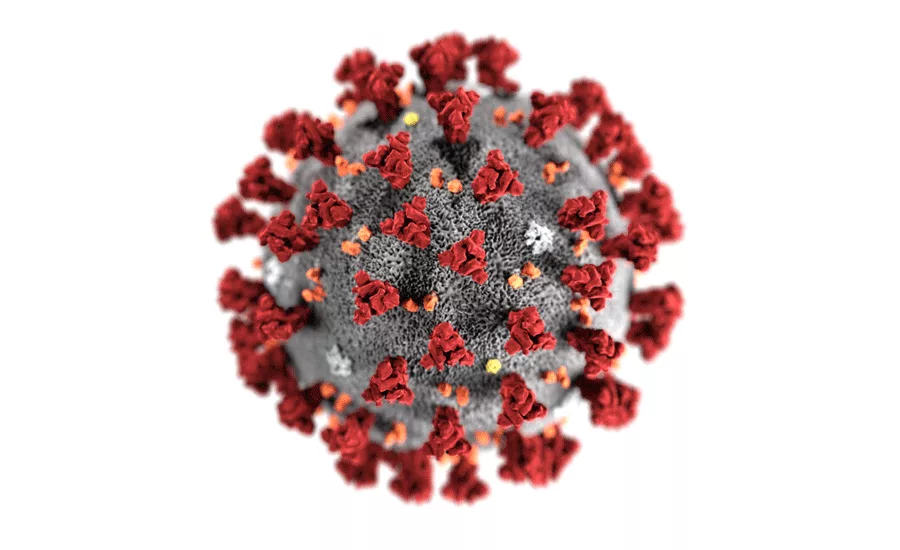
The National Institute for Occupational Safety and Health (NIOSH) released a research agenda for critical issues involved in the COVID-19 pandemic. Future research should focus on essential workers involved in critical continuity functions in the United States, according to NIOSH.
The institute also emphasized the need for a research focus on immigrant workers, workers with disabilities and special needs, workers with limited English proficiency, workers with lower incomes, and racial and ethnic minority groups to address the health disparities and inequities faced by workers in those populations.
Critical topic areas in the “NIOSH Disaster Science Responder Research Program COVID-19 Research Agenda” (NIOSH publication no. 2021-113) include economics, engineering controls, epidemiology/surveillance, mental health, occupational environmental/exposure assessment, occupational violence, personal protective equipment (PPE), transmission/occupational health, and zoonosis.
SARS-CoV-2 may be a zoonotic infection, originating in animals before crossing over to humans. NIOSH identified a research need to investigate animal species that are susceptible to SARS-CoV-2 infection and any potential workplace risks for veterinary and other workers who interact with animals. The institute is seeking research into domesticated and production animals, as well as wildlife species, as potential reservoirs of SARS-CoV-2 sources for possible transmission to workers.
SARS-CoV-2 is either an airborne infection or transmissible through respiratory droplets, which led to an ongoing shortage of N95 filtering facepiece respirators (FFRs). NIOSH identified several needs for research into PPE, including:
- Developing and evaluating methods, such as decontamination, extended use, and reuse, to optimize the availability of PPE during supply shortages;
- Assessing the physiological burden and comfort of workers practicing decontamination, extended use, and reuse of their PPE during supply shortages;
- Developing new or improving existing procedures for measuring the effectiveness of PPE in preventing exposure to viral pathogens, as well as developing or improving test standards for the evaluation of PPE performance;
- Identifying and evaluating novel materials and construction methods of PPE to determine their usability over extended time periods in a variety of environmental conditions;
- Assessing effects of shortages of PPE and implementing PPE supply optimization strategies, such as decontamination, extended use, and reuse, on health and safety of workers during times of shortages and conducting research into healthcare provider and emergency education about PPE selection, use, care, and maintenance;
- Developing standardized methods or novel sensors for point-of-use evaluation of PPE performance, including respirator fit, PPE contamination levels, or other hazards requiring changes in PPE use or practices; and
- Evaluating the role and effectiveness of PPE to reduce transmission of SARS-CoV-2 to workers in healthcare and non-healthcare settings, as well as evaluating the ability of cloth masks, medical masks, and surgical masks to reduce inhalation of aerosols.
ASTM International (formerly the American Society for Testing and Materials) issued a nonregulatory standard for barrier face coverings in February. To address shortages of respirators during the pandemic, NIOSH, along with the Centers for Disease Control and Prevention (CDC) and Occupational Safety and Health Administration (OSHA), issued guidelines on decontamination and reuse, the extended use of FFRs, and the use of foreign-made respirators not certified by NIOSH. The institute’s National Personal Protective Equipment Laboratory continues to test the filtration efficiency of foreign-made respirators.
The other critical topic areas in NIOSH’s research agenda include:
- Determining the infectivity of the SARS-CoV-2 virus both in aerosols and on surfaces to properly assess risk of infection and make recommendations for prevention, translating advances in prevention, diagnosis, and treatment of COVID-19 into improved occupational health interventions;
- Further researching engineering controls like improved ventilation to dilute viral particles and modification of workstations, including the use of physical barriers, to maintain worker separation;
- Identifying the most cost-effective prevention, mitigation, and support strategies to reduce the economic burden of the pandemic for employers, workers, and their families, as well as identifying changing risk factors for workplace violence;
- Multidisciplinary research into the details of SARS-CoV-2 transmission in work settings to better inform prevention efforts;
- Researching anxiety, depression, post-traumatic stress disorder (PTSD), and other mental health conditions due to the stress of living and working during a public health emergency; and
- Urgently needed information on the impact of COVID-19 on essential workers, such as healthcare personnel and critical infrastructure workers.
Looking for a reprint of this article?
From high-res PDFs to custom plaques, order your copy today!