What's the significance of UL Classification in PPE?
Companies in the market for personal protection equipment (PPE) should look for products that are UL classified where this is applicable. These items have been subject to specific relevant tests and passed inspections for either personal or industry use. Managers and administrators can’t afford to take chances when it comes to the health and safety of their employees. Products with the UL classification are considered the best and most reliable in the industry, so employees can focus on the task at hand without putting their health at risk.
The UL Classification
The UL classification comes from Underwriters Laboratories, a non-profit third-party testing facility headquartered in Northwood, Illinois. With customers in over 100 countries, the company is considered the industry leader in equipment inspection and quality insurance. Unlike some other testing companies, UL has no vested interest in the financial success of any of the products it’s responsible for testing. This ensures every product is fairly evaluated. UL serves a variety of industries, including those that work in safety, security, transportation, utility, medicine, retail, manufacturing, and technology.
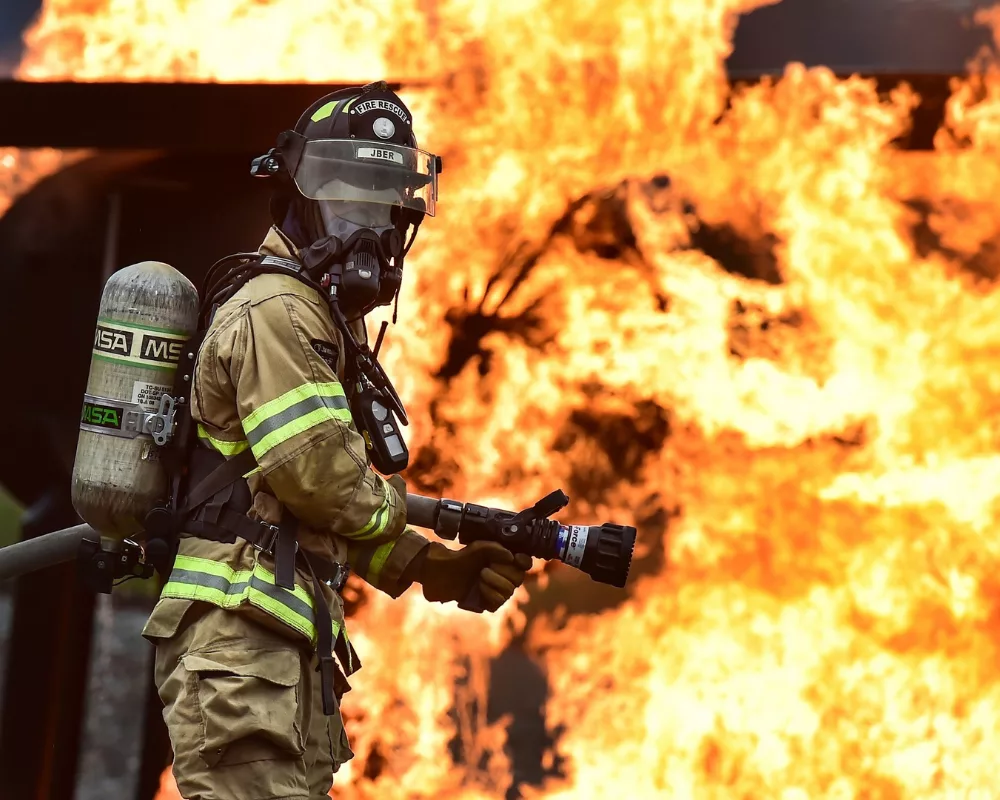
The company tests the product to make sure it will work as promised under various circumstances. The UL classification means the product has passed every test according to the applicable standard. It can be used for any official purpose without failing on the job. When it comes to PPE, this means the product will protect the wearer from the threat or hazard in question. For example, UL classified flame-resistant clothing will provide the expected level of protection if a fire should occur.
Once UL approves a product for classification, it then needs to be evaluated by state, local and federal government agencies like OSHA. UL is known to make impromptu visits to companies whose products the organization has already approved to ensure they’re still up to UL standards. If a product fails these tests a second time, the UL classification will be removed.
Classification is not to be confused with “listed.” Products that are UL listed have only been approved for specified means. They may lose efficacy in certain situations or when used for unspecified means. Employers should use caution when using UL listed PPE on the job. UL listed PPE may only offer protection in certain situations.
What the UL Classification means for companies
Employers are responsible for the health and safety of their employees. The UL classification was created to ensure that industries and business owners have a clear means of comparing products against a known set of standards when it comes to personal safety. Companies of all sizes have come to rely on UL for its commitment to public health and safety. The safety experts at UL go to great lengths to ensure these products have been thoroughly tested in the field, so employers can depend on them without worrying about putting their workers at risk.
UL takes a personalized approach during the inspection process. Workers use this gear in trial situations to make sure items work properly. They don’t make these decisions lightly. If the product fails, breaks down, or puts a worker at risk, it gets flagged as non-compliant, putting an end to the testing and evaluation period.
Managers and employers usually don’t have time to test these products themselves. It’s always important to make sure the PPE works before sending workers into the field. That’s why companies usually rely on UL to do the testing on their behalf. The UL classification is a signal to employers that these products are ready to go right out of the box. Although, workers should still take a few minutes to inspect the item to make sure it isn’t damaged before wearing it in the field.
The safety industry continues to evolve. New manufacturers and sellers are popping up all the time. Employers have no shortage of options when it comes to buying PPE. Certain items may go on sale, while some brands are more expensive than others, but all these choices can be overwhelming for some business owners and safety managers.
Companies are always looking to save money, but not if it means putting their workers at risk. In addition to size and fit, the only thing that really matters when selecting PPE is whether the item is UL classified. This is the only way to be sure the product will hold up on the job.
What the UL Classification means for workers
Workers need to be sure they aren’t putting their health and safety at risk when taking on a new position. In some cases, they may not have a lot of time to acclimate themselves to their environment. As they put on their PPE, they should check to make sure the product fits properly and is working correctly, but there’s only so much prep they can do before heading into the field.
The UL classification shows workers that they can rely on the PPE in question. Managers should spend some time going over the latest health and safety guidelines. They can also take a moment to explain the UL classification and how it applies to their safety gear. With this knowledge in tow, workers can rest assured that they won’t be in harm’s way during their shift. This can help boost productivity on the job. Workers can focus on the task at hand instead of worrying if their helmets, goggles, or gloves will still be there when they need them most.
Threats are always changing in the workplace. From falls to fires and toxic gases, working in the field comes with so many risks. The COVID-19 pandemic has taught us that new threats can catch us off guard when we least expect them.
The UL classification is here to make life easier for managers and their workers. Both parties can enjoy peace of mind knowing they are using some of the best gear in the industry. Managers should only invest in UL classified PPE to keep their workers out of harm’s way. UL listed PPE may be used in certain situations, but employers should make sure their workers are only using these items for specified purposes.
No one should have to worry about using poor-quality PPE on the job. Saving money isn’t a priority when it comes to saving lives. Visit Underwriters Laboratories to learn more about the safety inspection process.
Looking for a reprint of this article?
From high-res PDFs to custom plaques, order your copy today!