ISHN logo
search
cart
facebook twitter linkedin youtube
  • Sign In
  • Create Account
  • Sign Out
  • My Account
ISHN logo
  • NEWS
    • Today's News
    • Global Safety News
    • Government Regulations
  • PRODUCTS
    • Product Innovations
    • Featured Products
  • TOPICS
    • Environmental Health and Safety
    • Facility Safety
    • Workplace Health
    • Occupational Safety
    • PPE
    • More Topics
  • CONSTRUCTION
  • TECHNOLOGY
  • COLUMNS
    • Best Practices
    • Dave Johnson: What’s going on
    • Editorial Comments
    • Leading Safety
  • MULTIMEDIA
    • ISHN Podcast
    • Videos
    • Cold Stress Education Quiz
    • Webinars
    • White Papers
  • MORE
    • Buyer's Guide
    • Newsletters
    • Convention Companion
    • Polls
    • Events
    • ISHN Store
    • Sponsor Insights
  • EMAGAZINE
    • eMagazine
    • Archived Issues
    • Contact
    • Advertise
  • JOIN TODAY!
Government Safety RegulationsOccupational SafetyPPECoronavirus CoverageWorkplace Health

CDC updates mask guidance: N95 and KN95 provide best protection
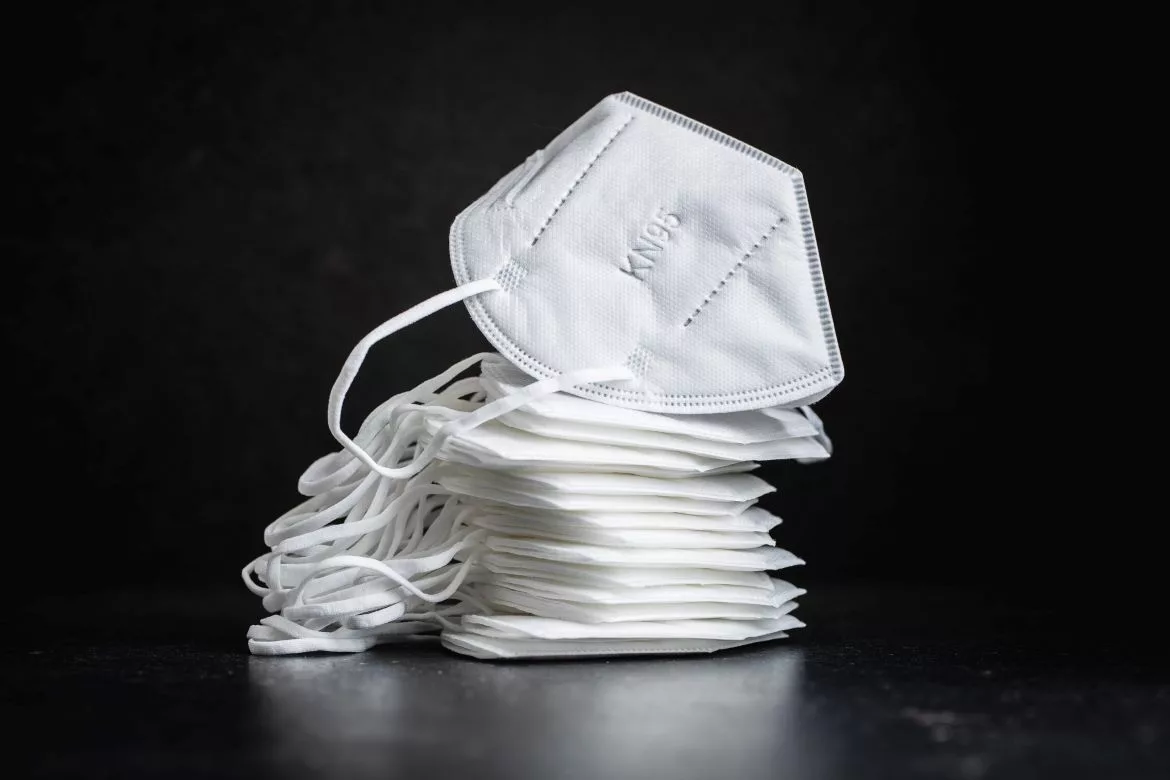
KN95 face masks
January 20, 2022

The Centers for Disease Control and Prevention on Friday, January 14, 2022 updated its guidance on masks for the general public, now saying that people "may choose" to wear N95 and KN95 masks because they offer the best protection against Covid-19.

The agency says that the "CDC continues to recommend that you wear the most protective mask you can that fits well and that you will wear consistently."

Previously, the CDC did not recommend that the general population wear N95 masks or KN95s, a similar type of mask made in China, fearing that a run on those higher-quality masks would impact the supply in health care settings. The CDC now says shortages are no longer a concern.

"When worn consistently and properly," the agency wrote on its website, N95 respirators approved by the National Institute for Occupational Safety and Health, or NIOSH, "provide the highest level of protection from particles, including the virus that causes Covid-19."


Summary of recent changes

  • Added information to present similar content for masks and respirators
  • Clarified that people can choose respirators such as N95s and KN95s, including removing concerns related to supply shortages for N95s
  • Clarified that “surgical N95s” are a specific type of respirator that should be reserved for healthcare settings
  • Clarified that some types of masks and respirators provide more protection to the wearer than others

Key messages

  • Masking is a critical public health tool for preventing spread of COVID-19, and it is important to remember that any mask is better than no mask.
  • To protect yourself and others from COVID-19, CDC continues to recommend that you wear the most protective mask you can that fits well and that you will wear consistently.
  • Masks and respirators are effective at reducing transmission of SARS-CoV-2, the virus that causes COVID-19, when worn consistently and correctly.
  • Some masks and respirators offer higher levels of protection than others, and some may be harder to tolerate or wear consistently than others. It is most important to wear a well-fitted mask or respirator correctly that is comfortable for you and that provides good protection.
  • While all masks and respirators provide some level of protection, properly fitted respirators provide the highest level of protection. Wearing a highly protective mask or respirator may be most important for certain higher risk situations, or by some people at increased risk for severe disease.
  • CDC’s mask recommendations provide information that people can use to improve how well their masks protect them.

Choosing a mask or respirator for different situations

Masks and respirators (i.e., specialized filtering masks such as “N95s”) can provide different levels of protection depending on the type of mask and how they are used. Loosely woven cloth products provide the least protection, layered finely woven products offer more protection, well-fitting disposable surgical masks and KN95s offer even more protection, and well-fitting NIOSH-approved respirators (including N95s) offer the highest level of protection.

Whatever product you choose, it should provide a good fit (i.e., fitting closely on the face without any gaps along the edges or around the nose) and be comfortable enough when worn properly (covering your nose and mouth) so that you can keep it on when you need to. Learn how to improve how well your mask protects you by visiting CDC’s Improve How Your Mask Protects You page.

A respirator has better filtration, and if worn properly the whole time it is in use, can provide a higher level of protection than a cloth or procedural mask. A mask or respirator will be less effective if it fits poorly or if you wear it improperly or take it off frequently. A respirator may be considered in certain situations and by certain people when greater protection is needed or desired.

  • When caring for someone who is sick with COVID-19.
  • If you are at increased risk for severe illness, for example, people who are immunocompromised, older adults, and people with certain underlying medical conditions.
  • When working at a job where you interact with large numbers of the public, especially when not everyone is consistently wearing a mask. For example, bus drivers and grocery store workers.
  • When riding on planes, buses, trains, or other forms of public transportation*, especially if it is for a long period of time on crowded conveyances.
  • When physical distancing is not possible or when you are in crowded indoor or outdoor public settings.
  • If you are not up to date on COVID-19 vaccinations.
KEYWORDS: face masks respirator fit testing Respiratory Protection

Share This Story

Looking for a reprint of this article?
From high-res PDFs to custom plaques, order your copy today!

Recommended Content

JOIN TODAY
to unlock your recommendations.

Already have an account? Sign In

  • forklift safety

    Exploring the latest technologies in forklift safety

    With more staff and more stock in warehousing now more...
    Facility Safety
    By: Josh Cramer
  • welding

    All about welder’s flash or arc eye

    A flash burn is a painful inflammation of the cornea,...
    Environmental Health and Safety
  • dangerous jobs

    The 10 most dangerous jobs in the U.S.

    On-the-job deaths have been rising — hitting the highest...
    Occupational Safety
    By: Benita Mehta
Manage My Account
  • eMagazine Subscriptions
  • ISHN Newsletter & Other Newsletter Alerts
  • Online Registration
  • Manage My Preferences
  • Subscription Customer Service

More Videos

Sponsored Content

Sponsored Content is a special paid section where industry companies provide high quality, objective, non-commercial content around topics of interest to the ISHN audience. All Sponsored Content is supplied by the advertising company and any opinions expressed in this article are those of the author and not necessarily reflect the views of ISHN or its parent company, BNP Media. Interested in participating in our Sponsored Content section? Contact your local rep!

close
  • man wearing the the Sundström SR200 Full Face Mask Respirator
    Sponsored byOHD

    5 Fit Testing Mistakes That Could Cost You

  • This image shows Magid AcuSpex polarized blue mirrored safety glasses.
    Sponsored byMagid Glove and Safety

    Construction PPE Guide: What Crews Need for Each Task

  • lone worker in confined space
    Sponsored byAlphasense Ltd.

    GET THE LEAD OUT of your Safety Oxygen Sensors!

Popular Stories

SpaceX 7 launch

OSHA Investigating Fatal Fall at SpaceX Starbase

dust explosion

Tennessee OSHA Issues Record $3.1M Fine After Deadly Explosion at Munitions Plant

Worker Impairment

How to Tell When a Co-Worker is Impaired? A Safety Pro’s Challenge

top 10 most dangerous jobs

Poll

Seasonal Readiness

With the federal heat stress prevention rule on the horizon, which area of your safety program needs the most attention?
View Results Poll Archive

Products

Surviving an OSHA Audit A Management Guide, 2nd Edition

Surviving an OSHA Audit A Management Guide, 2nd Edition

See More Products

ISHN Podcasts

Related Articles

  • CDC updates federal guidelines for 2009 H1N1 flu response in schools (8/10)

    See More
  • Radiation, fumes, burns & flying debris: Pick the best welding protection

    See More
  • “Short and cheap” is not the best fall protection training

    See More

Related Products

See More Products
  • 9781482217148.jpg

    Fall Prevention and Protection: Principles, Guidelines, and Practices

See More Products
×

Become a Leader in Safety Culture

Build your knowledge with ISHN, covering key safety, health and industrial hygiene news, products, and trends.

JOIN TODAY
  • RESOURCES
    • Advertise
    • Contact Us
    • Directories
    • Manufacturing Division
    • Store
    • Want More
  • SIGN UP TODAY
    • Create Account
    • eMagazine
    • Newsletters
    • Customer Service
    • Manage Preferences
  • SERVICES
    • Marketing Services
    • Reprints
    • Market Research
    • List Rental
    • Survey/Respondent Access
  • STAY CONNECTED
    • LinkedIn
    • Facebook
    • YouTube
    • X (Twitter)
  • PRIVACY
    • PRIVACY POLICY
    • TERMS & CONDITIONS
    • DO NOT SELL MY PERSONAL INFORMATION
    • PRIVACY REQUEST
    • ACCESSIBILITY

Copyright ©2026. All Rights Reserved BNP Media, Inc. and BNP Media II, LLC.

Design, CMS, Hosting & Web Development :: ePublishing