Gaining momentum: Restricting & banning 'forever chemicals'
PFAS have varying degrees of toxicity
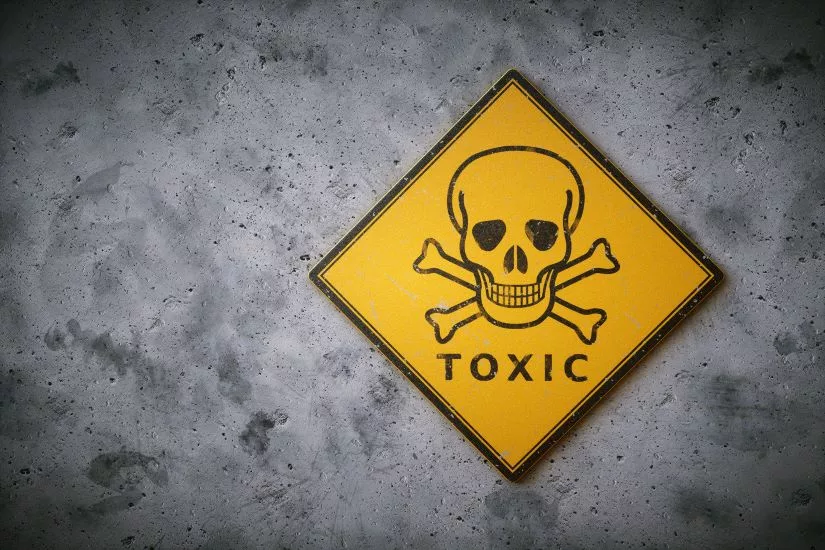
Credit: Getty Images
“The PFAS issue is analogous to climate change,” says Nathaniel Sponsler, director of the Apparel and Footwear International Restricted Substances List Management Group (AFIRM). AFIRM is one of three Phylmar Group® www.phlymar.com professional forums that bring EHS and sustainability professionals together to share best practices in workplace safety and product stewardship. AFIRM www.afirm-group.com was established in 2004 with a mission to reduce the use and impact of harmful substances in the apparel and footwear supply chain.
Perfluoroalkyl and polyfluoroalkyl substances, or PFAS, are so-called “forever chemicals” because they don’t easily break down in the environment and can remain indefinitely in air, soil and water, including sources of drinking water. PFAS, in use since the 1940s, number more than 9,000. It’s not accurate to say all PFAS are harmful. There are varying degrees of toxicity. Some have been linked to health risks including cancers, hormone disruption, liver and thyroid problems, interference with vaccine uptake, reproductive harm and abnormal fetal development, according to a report by the Natural Resources Defense Council (NRDC).
PFAS and climate change
The analogy to climate change is a worthy one. Both are vast issues with slowly developing health impacts. PFAS have been found in the blood of 97 percent of Americans, according to a report by the Centers for Disease Control and Prevention. Manufacturers around the world use PFAS to make products resistant to oil, heat, stain and water. The substances are found nearly everywhere, from cosmetics to outdoor apparel, cookware such as non-stick pans, food packaging such as wrappers, carpets, firefighting foams and thousands of other products.
Public attitudes toward PFAS are similar to opinions expressed in a recent New York Times article about climate change. “Climate change is always going to be a problem. That’s just a given,” said a young retail worker more concerned about immediate issues such as inflation and the economy. “People see climate as a tomorrow problem,” said a Greenpeace USA activist. Just one percent of voters in a recent New York Times/Siena College poll named climate change as the most important issue facing the country.
PFAS are so ubiquitous, present in thousands of commonly-used products, they don’t spark public concerns or outrage unless there is a PFAS spill that contaminates local or regional drinking water. Long-term health consequences to almost inescapable PFAS exposures are a “tomorrow problem.” To be sure, concern and calls for restrictions and/or bans is building due to slow but sure increasing levels of PFAS in the environment and in humans and animals.
That’s not the attitude of apparel and footwear brands manufacturing products using PFAS. “Tomorrow” is here and now in the form of legislation at the state level restricting or banning PFAS. “The brands see which way the wind is blowing,” says AFIRM’s Sponsler. “The writing is on the wall.”
Regulation
California legislators are leading the charge in writing the most far-reaching PFAS regulation, says Sponsler. AB-1817, “Product Safety: textile articles: PFAS,” would prohibit, beginning January 1, 2025, the manufacturing, distributing, selling, or offering for sale in the state any new, not previously owned, textile articles that contain regulated PFAS, except as specified, and the bill requires a manufacturer to use the least toxic alternative when removing regulated PFAS in textile articles to comply with these provisions.
Apparel as defined by AB-1817 includes undergarments, shirts, pants, skirts, dresses, overalls, school uniforms, leisurewear, athletic wear and footwear. Textiles covered by the bill include leather, cotton, silk, wool, nylon and polyester.
In the current version of the bill, some products containing PFAS will have temporary exemptions. Extreme and extended use outdoor apparel products designed for applications that provide protection against extended exposure to extreme rain conditions or against extended immersion in water or wet conditions to protect the health and safety of the user and that are not marketed for general consumer use will not be banned until January 1, 2027. Examples of extreme and extended use products include outerwear for offshore fishing, offshore sailing, whitewater kayaking, and mountaineering. Exempt products will need to be accompanied by a disclosure that they are made with PFAS chemicals beginning in 2025.
AB-1817 is expected to be approved by the California assembly and senate and signed into law later this year, according to Sponsler. He says brands support phasing out PFAS when executed appropriately with a pragmatic time frame. “The brands are on board with PFAS regulatory bans,” he says.
Some consumer brands have already removed PFAS from their supply chains and across all their merchandise. Others have set time-bound commitments to phase out PFAS. Most have initiated plans to transition away from PFAS. AFIRM has a task force working on guidance for phasing out PFAS, with members taking a supply chain management approach, according to Sponsler.
The process is challenging: 1) Brands cannot take definitive steps to comply with AB-1817 until the bill is finalized and becomes law. 2) Products use complex material inputs with potentially many PFAS analytes to test and verify. 3) Telling global supply chain partners to remove PFAS is easier than verifying that they are no longer in products. 4) Consumer demand for high-performing products mean developing and safely integrating acceptable alternatives across far-reaching supply chains.
Phasing out PFAS will continue to be driven by state regulations, according to Sponsler. More than 20 states have enacted or proposed legislation regulating PFAS in drinking water. This year Vermont passed a bill with medical monitoring provisions for victims exposed to PFAS. It is the first state to include exposure to toxic releases as a cause of personal injury cases. Maine last year passed a law requiring manufacturers to report products containing PFAS to the state’s top environmental agency.
There are no federal laws in the U.S. requiring manufacturers to eliminate PFAS from consumer products or warn consumers that an item was made with PFAS. The EPA has issued advisories and is expected to issue proposed drinking water limits for PFAS in 2023. The Biden administration last year launched a three-year, inter-agency plan to combat PFAS pollution focusing on developing policy strategies to support research, remediation and removal of PFAS in communities across the country. The federal strategy focuses on environmental protection, particularly on military bases and in landfills and drinking water, not the type of product stewardship emphasized by some state laws.
Looking ahead
Sponsler expects more state laws restricting or banning PFAS in consumer products; lower exposure thresholds for PFAS; debate on what are essential uses requiring PFAS, such as in micro chips; and debate on testing methodology to determine the presence of PFAS. The European Union is committed to phasing out all PFAS, allowing their use only where they are proven to be irreplaceable and essential to society, according to the European Chemicals Agency. Norway, Germany, Denmark, Sweden and The Netherlands are preparing restriction proposals for a wide range of PFAS, according to the agency. England has a safety level restriction for PFAS in drinking water, and action must be taken if that threshold is exceeded.
The public may continue to be generally unaware of PFAS exposures, health effects and regulations. But the issue will remain top of mind for PFAS product manufacturers, governments around the globe and NGOs lobbying for restrictions and bans.
EHS professionals should be aware of the momentum behind PFAS regulation and be prepared to educate employees about their uses and health risks. PFAS are used in more than 200 different ways in industries ranging from electronics and equipment manufacturing, plastic and rubber production, food and textile production, and the construction industry. Questions and concerns about occupational exposures will grow. One challenge: PFAS studies are evolving so quickly scientists have yet to establish truly safe levels of ingestion that are backed by science.
As with climate change, PFAS issues are not going away.
Note: This article originally appeared in the summer edition newsletter of the Phylmar Group. For more information on the Phylmar Group’s safety and health member networking and best practices forums and its training courses, visit www.phylmar.com
Looking for a reprint of this article?
From high-res PDFs to custom plaques, order your copy today!


.webp?t=1721257160 "download (1).jpg")