ISHN logo
search
cart
facebook twitter linkedin youtube
  • Sign In
  • Create Account
  • Sign Out
  • My Account
ISHN logo
  • NEWS
    • Today's News
    • Global Safety News
    • Government Regulations
  • PRODUCTS
    • Product Innovations
    • Featured Products
  • TOPICS
    • Environmental Health and Safety
    • Facility Safety
    • Workplace Health
    • Occupational Safety
    • PPE
    • More Topics
  • CONSTRUCTION
  • TECHNOLOGY
  • COLUMNS
    • Best Practices
    • Dave Johnson: What’s going on
    • Editorial Comments
    • Leading Safety
  • MULTIMEDIA
    • ISHN Podcast
    • Videos
    • Cold Stress Education Quiz
    • Webinars
    • White Papers
  • MORE
    • Buyer's Guide
    • Newsletters
    • Convention Companion
    • Polls
    • Events
    • ISHN Store
    • Sponsor Insights
  • EMAGAZINE
    • eMagazine
    • Archived Issues
    • Contact
    • Advertise
  • JOIN TODAY!
Today's Safety NewsIndustrial HygieneWorkplace Health

Current uses of asbestos exceed exposure limits

Airborne fibers from asbestos cement are 50 times permissible level
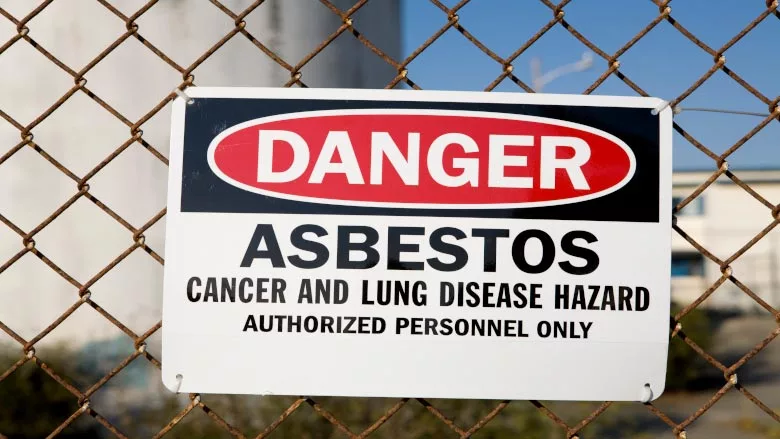
Asbestos warning
Getty Images

Credit: carterdayne / E+ / Getty Images Plus

November 20, 2023

A new study summarizing exposures to asbestos during the installation and removal of asbestos cement products demonstrates that these construction activities almost always exceed U.S. occupational limits. The study focused on airborne asbestos exposures from existing uses of asbestos that are still allowed in most countries.

Average task-specific asbestos exposures during the cutting of asbestos cement pipe were more than 50 times the Occupational Safety and Health Administration (OSHA) short-term limit. Cutting asbestos boards and corrugated roofing result in average exposures that are 24 times the limit.

Asbestos cement products including pipe, siding and roofing account for more than 90% of global asbestos use.

“We found that exposures from asbestos cement products could be alarming high and certainly disproves the asbestos industry’s contention that these materials can be used in a ‘safe and responsible’ manner” said Perry Gottesfeld, Executive Director of Occupational Knowledge International (OK International) and the author of the study.

“The study demonstrates that there is an immediate need to ban all asbestos cement products that are sold in many countries as these are still being installed in millions of homes and commercial buildings,” Gottesfeld added.
 
The study Exposure Hazards from Continuing Use and Removal of Asbestos Cement Products published online in the Annals of Work Exposures and Health, documents that all uses of asbestos cement pipe and the great majority of installation tasks for asbestos cement roofing and sheets exceed the current OSHA short-term exposure limit.  The results also indicate that the use of water to reduce airborne fibers is insufficient to protect workers during most tasks involving power tools.

Although more than 60 countries have banned the use of asbestos, the U.S. Environmental Protection Agency (EPA) is only now considering a total ban on asbestos cement and other existing uses. Currently, the EPA only requires companies to notify the agency before manufacturing or importing asbestos cement products.

Russia and Kazakhstan account for 80% of global asbestos production and they export this material to more than 25 low and middle-income countries. India, China, Indonesia, Uzbekistan, Sri Lanka, Vietnam and Thailand are the largest importers and account for approximately 90% of global asbestos sales.  

In 2021 more than 1.2 million metric tons of asbestos was mined primarily for asbestos cement applications. Russia is by far the largest beneficiary of this hazardous trade, earning $185 million in 2021.

Thousands of workers are exposed to airborne fibers during the manufacture of asbestos cement products in hundreds of small factories in India, Vietnam and other countries.  Tens of thousands of construction workers are exposed to airborne asbestos in excess of the short-term OSHA excursion limit while installing asbestos cement roofing, siding, cooling towers and pipes.

Even intermittent short-term exposures to asbestos are associated with significant health risks. Asbestos has been shown to cause lung cancer, asbestosis and mesothelioma.  

The U.S. has approximately 600,000 miles of ageing asbestos water pipe with a typical lifespan of 50 years. Water utilities are often replacing asbestos water main sections as pipes burst or as part of ongoing systems improvements.

In many countries older asbestos-cement pipe and roofing are reaching the end of their service life and will need to be removed while creating hazardous conditions for workers while cutting and breaking up this material. Few countries have occupational limits or other safety regulations governing procedures for asbestos abatement. 

OK International is a U.S. based NGO that works to build capacity in developing countries to identify, monitor, and mitigate environmental and occupational exposures to hazardous materials in order to protect public health and the environment. For more information: www.okinternational.org
KEYWORDS: asbestos

Share This Story

Looking for a reprint of this article?
From high-res PDFs to custom plaques, order your copy today!

Recommended Content

JOIN TODAY
to unlock your recommendations.

Already have an account? Sign In

  • forklift safety

    Exploring the latest technologies in forklift safety

    With more staff and more stock in warehousing now more...
    Facility Safety
    By: Josh Cramer
  • welding

    All about welder’s flash or arc eye

    A flash burn is a painful inflammation of the cornea,...
    Environmental Health and Safety
  • dangerous jobs

    The 10 most dangerous jobs in the U.S.

    On-the-job deaths have been rising — hitting the highest...
    Occupational Safety
    By: Benita Mehta
Manage My Account
  • eMagazine Subscriptions
  • ISHN Newsletter & Other Newsletter Alerts
  • Online Registration
  • Manage My Preferences
  • Subscription Customer Service

More Videos

Sponsored Content

Sponsored Content is a special paid section where industry companies provide high quality, objective, non-commercial content around topics of interest to the ISHN audience. All Sponsored Content is supplied by the advertising company and any opinions expressed in this article are those of the author and not necessarily reflect the views of ISHN or its parent company, BNP Media. Interested in participating in our Sponsored Content section? Contact your local rep!

close
  • man wearing the the Sundström SR200 Full Face Mask Respirator
    Sponsored byOHD

    5 Fit Testing Mistakes That Could Cost You

  • This image shows Magid AcuSpex polarized blue mirrored safety glasses.
    Sponsored byMagid Glove and Safety

    Construction PPE Guide: What Crews Need for Each Task

  • lone worker in confined space
    Sponsored byAlphasense Ltd.

    GET THE LEAD OUT of your Safety Oxygen Sensors!

Popular Stories

SpaceX 7 launch

OSHA Investigating Fatal Fall at SpaceX Starbase

Automated loading dock equipment

After March 2026 Rivian Death, Safety Managers Reassess Loading Dock Systems Under OSHA's Warehouse Emphasis Program

chemical safety

It Was Just Sugar: Catastrophic Safety Failures in Louisville

top 10 most dangerous jobs

Poll

Seasonal Readiness

With the federal heat stress prevention rule on the horizon, which area of your safety program needs the most attention?
View Results Poll Archive

Products

Surviving an OSHA Audit A Management Guide, 2nd Edition

Surviving an OSHA Audit A Management Guide, 2nd Edition

See More Products

ISHN Podcasts

Related Articles

  • asbestos

    EPA rule blocks “discontinued uses” of asbestos

    See More
  • PELs

    OSHA’s exposure limits are dangerously out of date

    See More
  • PELs

    OSHA’s exposure limits are dangerously out of date

    See More

Related Products

See More Products
  • fearless world.jpg

    The Fearless World of Professional Safety in the 21st Century

See More Products

Related Directories

  • Logitrans US

    With more than 85 years of experience, Logitrans is one of the leading manufacturers of world class material handling equipment. Logitrans delivers ergonomic material handling solutions that improve workplace safety, reduce injury risk, and enhance efficiency. Our equipment supports EHS leaders in creating safer, more productive environments across industrial, food, and pharmaceutical operations, enabling safer lifting, moving, and positioning of materials with measurable performance gains.
×

Become a Leader in Safety Culture

Build your knowledge with ISHN, covering key safety, health and industrial hygiene news, products, and trends.

JOIN TODAY
  • RESOURCES
    • Advertise
    • Contact Us
    • Directories
    • Manufacturing Division
    • Store
    • Want More
  • SIGN UP TODAY
    • Create Account
    • eMagazine
    • Newsletters
    • Customer Service
    • Manage Preferences
  • SERVICES
    • Marketing Services
    • Reprints
    • Market Research
    • List Rental
    • Survey/Respondent Access
  • STAY CONNECTED
    • LinkedIn
    • Facebook
    • YouTube
    • X (Twitter)
  • PRIVACY
    • PRIVACY POLICY
    • TERMS & CONDITIONS
    • DO NOT SELL MY PERSONAL INFORMATION
    • PRIVACY REQUEST
    • ACCESSIBILITY

Copyright ©2026. All Rights Reserved BNP Media, Inc. and BNP Media II, LLC.

Design, CMS, Hosting & Web Development :: ePublishing