ISHN logo
search
cart
facebook twitter linkedin youtube
  • Sign In
  • Create Account
  • Sign Out
  • My Account
ISHN logo
  • NEWS
    • Today's News
    • Global Safety News
    • Government Regulations
  • PRODUCTS
    • Product Innovations
    • Featured Products
  • TOPICS
    • Environmental Health and Safety
    • Facility Safety
    • Workplace Health
    • Occupational Safety
    • PPE
    • More Topics
  • CONSTRUCTION
  • TECHNOLOGY
  • COLUMNS
    • Best Practices
    • Dave Johnson: What’s going on
    • Editorial Comments
    • Leading Safety
  • MULTIMEDIA
    • ISHN Podcast
    • Videos
    • Cold Stress Education Quiz
    • Webinars
    • White Papers
  • MORE
    • Buyer's Guide
    • Newsletters
    • Convention Companion
    • Polls
    • Events
    • ISHN Store
    • Sponsor Insights
  • EMAGAZINE
    • eMagazine
    • Archived Issues
    • Contact
    • Advertise
  • JOIN TODAY!

Coaching comes easier with a little humor

May 17, 2000
One day about a dozen years ago I did something out of character for me, prompted by several articles I had read on the power of humor. I got on the elevator to go to my fifth floor office with one of my Ph.D. students, which was unusual in itself because I usually took the stairs. I asked my student to copy my behavior. Then I turned to face the back of the elevator.

A young woman got on at the second floor. Without saying a word, she turned and faced the back of the elevator. Presumably this was social conformity in action (a social influence principle I discussed in this column in February, 1995, under the heading, "The urge to conform and obey"). Whatever the case, my student and I fought back the urge to break out laughing.

Two men got on at the third floor, saw the three backsides facing them, and shouted, "What the heck is going on?" We couldn't hold it in any longer. All of us laughed the rest of the way to the fifth floor. I still remember my mood that morning. After getting off the elevator I was playful and euphoric; not my usual serious, work-focused self. I said, "Good morning," with a smile to everyone I passed in the hall. I recall stopping to give one student genuine praise for excelling on a class research assignment.

That day in 1985 showed me the value of humor. It can raise mood states, lift attitudes, and improve interpersonal behavior. You can put it to use for safety purposes as well. When people are in a good mood, they're more apt to actively care for the safety or health of another person. Plus, the creative use of humor can improve group presentations and one-on-one interaction.

Tactics to tickle

But humor is an elusive thing. Sometimes you reach for it, but get only stony silence and stares in return. We've all told jokes that bombed. For humor to work, you need a funny story or punch line, and you need to deliver it the right way with a sense of timing. It's not easy to select and use the right kind of humor in the right spot.

Let me tell you about the five basic ways we get people to laugh. This comes from a 1996 audiotape series, "The Secrets of Power Negotiating," as explained by Roger Dawson.

Pun: You know one as soon as you hear it. There's the OSHA inspector, for example, who kicks off his presentation: "I suppose you all want the latest dope from Washington... well here I am." "More hay, Trigger?" "No thanks, Roy, I'm stuffed." Go ahead and groan. You get the idea.

Exaggeration: Bill Cosby is a master at creating an overblown visual image we can relate to and laugh at. He's talked about his experiences in kindergarten, for example, writing with a pencil "as big as a horse's hoof" and on paper "with pieces of wood still in it."

Remember Johnny Carson on the Tonight Show. He'd open a monologue talking about how hot it was in Burbank. The studio audience would shout, "How hot was it?" Johnny would pause, then say something like, "It was so hot that a flock of birds burst into flames from spontaneous combustion."

You can exaggerate to make a point about a safety problem. *We had so little involvement at the last safety meeting that...* or, *That forklift was traveling so fast when it rounded the corner that...* You fill in the punch line.

Surprise: I once watched a group facilitator use surprise to break tension, and to slow down a safety meeting that was moving at too fast a clip. He announced, "We must pause a moment for a spot announcement." Immediately, a coworker barked, "Arf, arf." "Thank you, Spot," said the facilitator. Not only did this exchange come as a surprise to the audience, it was also a pun. And it definitely incorporated silliness, which is described next.

Silliness: Here we're talking about comedians like Britain's Mr. Bean, the Three Stooges, and Gallager, whose stage antics include smashing watermelons with a giant hammer so juicy chunks rain down on his audience.

Part of this humor can be goofy slapstick. But it can also be verbal. Statements like these are just plain silly: "Suicidal twin kills sister by mistake." "He who laughs last thinks slowest." "Criminal lawyer is a redundancy."

The put-down: Many of today's comedians favor this approach. You see it when they slyly put down a talk show guest, something in the news, or often themselves.

I once heard a humorous put-down given when hardly anyone showed up for a safety meeting. The invited speaker asked, "Did you tell them I was coming?" "No," replied the safety coordinator, "it must have leaked out." Think about the power of humor, and its many applications. Laughter can take the sting out of disappointment or criticism, as was the case in the safety meeting. Jokes and funny stories can be used to make a constructive point. A little levity eases the tension that sometimes surrounds one-on-one coaching, making people more receptive to what the coach has to say. And it can liven up the boredom and routine that are often part of training and education.

If this article makes you smile or chuckle, you've been touched just a bit by humor's magic. How dreary our days would be without it. Honing a good sense of humor is well worth the effort.

Share This Story

Looking for a reprint of this article?
From high-res PDFs to custom plaques, order your copy today!

Recommended Content

JOIN TODAY
to unlock your recommendations.

Already have an account? Sign In

  • forklift safety

    Exploring the latest technologies in forklift safety

    With more staff and more stock in warehousing now more...
    Workplace Training Strategies
    By: Josh Cramer
  • welding

    All about welder’s flash or arc eye

    A flash burn is a painful inflammation of the cornea,...
    Environmental Health and Safety
  • dangerous jobs

    The 10 most dangerous jobs in the U.S.

    On-the-job deaths have been rising — hitting the highest...
    Construction Industry Safety and Health
    By: Benita Mehta
Manage My Account
  • eMagazine Subscriptions
  • ISHN Newsletter & Other Newsletter Alerts
  • Online Registration
  • Manage My Preferences
  • Subscription Customer Service

More Videos

Sponsored Content

Sponsored Content is a special paid section where industry companies provide high quality, objective, non-commercial content around topics of interest to the ISHN audience. All Sponsored Content is supplied by the advertising company and any opinions expressed in this article are those of the author and not necessarily reflect the views of ISHN or its parent company, BNP Media. Interested in participating in our Sponsored Content section? Contact your local rep!

close
  • man wearing the the Sundström SR200 Full Face Mask Respirator
    Sponsored byOHD

    5 Fit Testing Mistakes That Could Cost You

  • This image shows Magid AcuSpex polarized blue mirrored safety glasses.
    Sponsored byMagid Glove and Safety

    Construction PPE Guide: What Crews Need for Each Task

  • lone worker in confined space
    Sponsored byAlphasense Ltd.

    GET THE LEAD OUT of your Safety Oxygen Sensors!

Popular Stories

SpaceX 7 launch

OSHA Investigating Fatal Fall at SpaceX Starbase

Automated loading dock equipment

After March 2026 Rivian Death, Safety Managers Reassess Loading Dock Systems Under OSHA's Warehouse Emphasis Program

psychology in the workplace

Most Workplaces Measure Psychological Safety, Ignoring Psychosocial Risks

top 10 most dangerous jobs

Poll

Seasonal Readiness

With the federal heat stress prevention rule on the horizon, which area of your safety program needs the most attention?
View Results Poll Archive

Products

Surviving an OSHA Audit A Management Guide, 2nd Edition

Surviving an OSHA Audit A Management Guide, 2nd Edition

See More Products

ISHN Podcasts

Related Articles

  • VelocityEHS

    VelocityEHS makes in-the-field chemical management faster and easier with MSDSonline mobile app enhancement

    See More
  • Speakman

    Tepid water made easier with new Speakman Safe-T-Zone® thermostatic mixing valves

    See More
  • In the COVID-19 era, a little creativity in training goes a long way

    In the COVID-19 era, a little creativity in training goes a long way

    See More

Related Products

See More Products
  • 1118911040.jpg

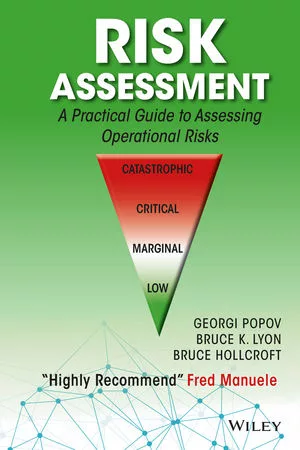
    Risk Assessment: A Practical Guide to Assessing Operational Risks

See More Products
×

Become a Leader in Safety Culture

Build your knowledge with ISHN, covering key safety, health and industrial hygiene news, products, and trends.

JOIN TODAY
  • RESOURCES
    • Advertise
    • Contact Us
    • Directories
    • Manufacturing Division
    • Store
    • Want More
  • SIGN UP TODAY
    • Create Account
    • eMagazine
    • Newsletters
    • Customer Service
    • Manage Preferences
  • SERVICES
    • Marketing Services
    • Reprints
    • Market Research
    • List Rental
    • Survey/Respondent Access
  • STAY CONNECTED
    • LinkedIn
    • Facebook
    • YouTube
    • X (Twitter)
  • PRIVACY
    • PRIVACY POLICY
    • TERMS & CONDITIONS
    • DO NOT SELL MY PERSONAL INFORMATION
    • PRIVACY REQUEST
    • ACCESSIBILITY

Copyright ©2026. All Rights Reserved BNP Media, Inc. and BNP Media II, LLC.

Design, CMS, Hosting & Web Development :: ePublishing