ISHN logo
search
cart
facebook twitter linkedin youtube
  • Sign In
  • Create Account
  • Sign Out
  • My Account
ISHN logo
  • NEWS
    • Today's News
    • Global Safety News
    • Government Regulations
  • PRODUCTS
    • Product Innovations
    • Featured Products
  • TOPICS
    • Environmental Health and Safety
    • Facility Safety
    • Workplace Health
    • Occupational Safety
    • PPE
    • More Topics
  • CONSTRUCTION
  • TECHNOLOGY
  • COLUMNS
    • Best Practices
    • Dave Johnson: What’s going on
    • Editorial Comments
    • Leading Safety
  • MULTIMEDIA
    • ISHN Podcast
    • Videos
    • Cold Stress Education Quiz
    • Webinars
    • White Papers
  • MORE
    • Buyer's Guide
    • Newsletters
    • Convention Companion
    • Polls
    • Events
    • ISHN Store
    • Sponsor Insights
  • EMAGAZINE
    • eMagazine
    • Archived Issues
    • Contact
    • Advertise
  • JOIN TODAY!
Psychology in the Workplace

There's something to be said for feeling good

By E. Scott Geller
May 15, 2000

Should you stop using rewards?

The question has come up in light of Alfie Kohn's 1995 book, "Punished by Rewards: The Trouble with Gold Stars, Incentive Plans, A's, Praise, and Other Bribes." And at the second annual Behavioral Safety Now conference held in Houston last October, several attendees listened to Dr. Aubrey Daniels, author of the book, "Bringing Out the Best in People: The Astonishing Power of Positive Reinforcement," and wondered whether Dr. Daniels was advising people to stop using rewards, recognition, and group celebrations.

Safety professionals need to understand how positive reinforcers--the kind Dr. Daniels talks about--differ from other positive consequences. More important, safety pros need to convince others of the astonishing power of rewards, celebrations, and recognition, as well as positive reinforcement.

Should you stop using rewards?

Technically, a behavioral consequence is a "positive reinforcer" only if it increases the frequency, intensity, or duration of the targeted behavior. In reality, it's usually impossible to know if this happens. For example, the financial bonus a person receives for demonstrating better safety performance last month does not necessarily influence any behavior. And the behavior most often reinforced by recognition ceremonies like a steak dinner celebrating a safety milestone is attendance at the dinner.

When Dr. Daniels warned the Houston audience not to presume their recognition, feedback, and celebration programs were "positive reinforcers," this is what he meant. Just because you give a person a positive consequence, you do not necessarily influence the behavior you'd like to improve. And if you don't improve targeted behaviors, you don't truly have a positive reinforcer.

This is why I use the term "reward" instead of "positive reinforcer." A reward is a positive consequence given to an individual or a group with the intention of improving or maintaining desired behavior. The reward can be one-on-one recognition, a group celebration dinner, a positive feedback presentation, credits toward the purchase of a catalogue gift item, a financial bonus, or a small trinket containing a safety logo.

A reward given long after the desired behavior has occurred is unlikely to have a direct effect on that behavior. Some rewards are not even associated with specific behaviors. The behavior most likely reinforced by awarding companies with a safety improvement placard is someone walking to the stage to receive the prize and public recognition.

The strict behavioral approach to safety does not recognize much, if any, value in rewards. If a behavior analyst observes no change in a target behavior when a particular consequence follows it, then that consequence is considered useless in that situation and no longer is applied.

But here's my point: even if a reward does not improve behavior directly, it has other special benefits. This is why I urge you not to decrease your use of recognition, feedback, and celebration processes.

What rewards do for us

If given genuinely, interpersonal recognition, group celebration, and positive feedback improve internal, unobservable aspects of people. They make you feel better. This is a worthwhile outcome by itself. Plus, it's likely that safety-related behaviors will be indirectly improved.

Let me explain by asking:

  • How do you feel after being rewarded for exemplary performance?

  • Do you get a boost in self-esteem? Feel better about yourself?

  • Do you feel more competent at the task singled out for the reward?

  • Do you sense a greater degree of personal control over the targeted activity?

  • Are you more optimistic that you'll be successful in the future?

  • Do you feel more connected with other team members who attended the celebration event?

According to substantial psychological research, when any of these internal feeling states are increased, a person's willingness to look out for the welfare of others is also increased. So whether or not a reward increases the behavior it follows, it is apt to improve one or more feeling states that make people more likely to actively care about the safety of others.

This justifies using rewards, even when behavior is not directly influenced. Delivered appropriately, rewards always bring out the best in people because they improve those feeling states--self-esteem, self-efficacy, personal control, optimism, and belongingness--that make it more likely for an individual to help another person. Look for opportunities to reward quality performance, and deliver the reward well.

Share This Story

Looking for a reprint of this article?
From high-res PDFs to custom plaques, order your copy today!

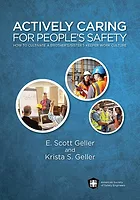
E. Scott Geller, Ph.D., is Alumni Distinguished Professor, Center for Applied Behavior Systems, Virginia Tech, and senior partner with Safety Performance Solutions, Blacksburg, VA. For more information visit www.safetyperformance.com. "Actively Caring for People's Safety: How to cultivate a brother’s/sister’s keeper work culture," co-authored by Scott’s daughter Krista, was recently published by ASSE. Scott’s 15-minute TEDX talk on You Tube can be accessed at: https://www.youtube.com/watch?v=7sxpKhIbr0E


Recommended Content

JOIN TODAY
to unlock your recommendations.

Already have an account? Sign In

  • forklift safety

    Exploring the latest technologies in forklift safety

    With more staff and more stock in warehousing now more...
    Facility Safety
    By: Josh Cramer
  • welding

    All about welder’s flash or arc eye

    A flash burn is a painful inflammation of the cornea,...
    Environmental Health and Safety
  • dangerous jobs

    The 10 most dangerous jobs in the U.S.

    On-the-job deaths have been rising — hitting the highest...
    Transportation Safety
    By: Benita Mehta
Manage My Account
  • eMagazine Subscriptions
  • ISHN Newsletter & Other Newsletter Alerts
  • Online Registration
  • Manage My Preferences
  • Subscription Customer Service

More Videos

Sponsored Content

Sponsored Content is a special paid section where industry companies provide high quality, objective, non-commercial content around topics of interest to the ISHN audience. All Sponsored Content is supplied by the advertising company and any opinions expressed in this article are those of the author and not necessarily reflect the views of ISHN or its parent company, BNP Media. Interested in participating in our Sponsored Content section? Contact your local rep!

close
  • man wearing the the Sundström SR200 Full Face Mask Respirator
    Sponsored byOHD

    5 Fit Testing Mistakes That Could Cost You

  • This image shows Magid AcuSpex polarized blue mirrored safety glasses.
    Sponsored byMagid Glove and Safety

    Construction PPE Guide: What Crews Need for Each Task

  • lone worker in confined space
    Sponsored byAlphasense Ltd.

    GET THE LEAD OUT of your Safety Oxygen Sensors!

Popular Stories

SpaceX 7 launch

OSHA Investigating Fatal Fall at SpaceX Starbase

dust explosion

Tennessee OSHA Issues Record $3.1M Fine After Deadly Explosion at Munitions Plant

Worker Impairment

How to Tell When a Co-Worker is Impaired? A Safety Pro’s Challenge

top 10 most dangerous jobs

Poll

Seasonal Readiness

With the federal heat stress prevention rule on the horizon, which area of your safety program needs the most attention?
View Results Poll Archive

Products

Surviving an OSHA Audit A Management Guide, 2nd Edition

Surviving an OSHA Audit A Management Guide, 2nd Edition

See More Products

ISHN Podcasts

Related Articles

  • There's something to be said for feeling good

    See More
  • ASSE

    Hot off the ASSE press: Actively Caring for People’s Safety

    See More
  • Actively Caring for People’s Safety

    4 STEPS to cultivating a brother’s/sister’s keeper culture

    See More

Related Products

See More Products
  • Top Ten Pitfalls in OSHA Recordkeeping and How to Avoid Them

See More Products
×

Become a Leader in Safety Culture

Build your knowledge with ISHN, covering key safety, health and industrial hygiene news, products, and trends.

JOIN TODAY
  • RESOURCES
    • Advertise
    • Contact Us
    • Directories
    • Manufacturing Division
    • Store
    • Want More
  • SIGN UP TODAY
    • Create Account
    • eMagazine
    • Newsletters
    • Customer Service
    • Manage Preferences
  • SERVICES
    • Marketing Services
    • Reprints
    • Market Research
    • List Rental
    • Survey/Respondent Access
  • STAY CONNECTED
    • LinkedIn
    • Facebook
    • YouTube
    • X (Twitter)
  • PRIVACY
    • PRIVACY POLICY
    • TERMS & CONDITIONS
    • DO NOT SELL MY PERSONAL INFORMATION
    • PRIVACY REQUEST
    • ACCESSIBILITY

Copyright ©2026. All Rights Reserved BNP Media, Inc. and BNP Media II, LLC.

Design, CMS, Hosting & Web Development :: ePublishing