ISHN logo
search
cart
facebook twitter linkedin youtube
  • Sign In
  • Create Account
  • Sign Out
  • My Account
ISHN logo
  • NEWS
    • Today's News
    • Global Safety News
    • Government Regulations
  • PRODUCTS
    • Product Innovations
    • Featured Products
  • TOPICS
    • Environmental Health and Safety
    • Facility Safety
    • Workplace Health
    • Occupational Safety
    • PPE
    • More Topics
  • CONSTRUCTION
  • TECHNOLOGY
  • COLUMNS
    • Best Practices
    • Dave Johnson: What’s going on
    • Editorial Comments
    • Leading Safety
  • MULTIMEDIA
    • ISHN Podcast
    • Videos
    • Cold Stress Education Quiz
    • Webinars
    • White Papers
  • MORE
    • Buyer's Guide
    • Newsletters
    • Convention Companion
    • Polls
    • Events
    • ISHN Store
    • Sponsor Insights
  • EMAGAZINE
    • eMagazine
    • Archived Issues
    • Contact
    • Advertise
  • JOIN TODAY!
Columns

MANAGING BEST PRACTICES: Speak up for safety

June 28, 2002
"Speak up for safety" is a hot phrase. More than a million hits will come up if you run a search for the phrase on the Internet. But what does it mean and how do we put it into action?

Some examples:

  • This past March the Joint Commission on Accreditation of Healthcare Organizations (JCAHO) and officials from Medicare launched the program "Speak Up: Help Prevent Medical Errors in Your Care." The program encourages patients to question the care they will be given, and to seek another caregiver if they do not get good answers. The American Medical Association supports the Speak Up program.

  • The heading for the American Society of Safety Engineers' new membership application is "Speak Up for Safety: Join ASSE Today."

  • The National Institute for Occupational Safety and Health employs the "speak up" concept in pamphlets targeted for working teens. NIOSH wants teens to know they can speak up to employers about their workplace rights.

  • Safety management programs such as OSHA's Voluntary Protection Program requires employees to freely speak up not only for their own safety but for others as well. Injury and illness rates at VPP work sites are often 50 percent or more below industry average.

    Gaining momentum

    Speaking up is gaining momentum in the U.S. today for three main reasons. One, people feel they can remark without fear of punishment. Two, people feel that their input will make a difference. And three, speaking up is easy to do with modern information technologies such as the Internet.

    The Internet clearly permits people to speak up. The Toledo Better Business Bureau installed an Internet system in 2000 for people to file inquiries and complaints on area companies. Inquires and complaints rose nearly 300 percent in the first year for the new system, from 105,578 in 1999 to 305,094 in 2000.

    The AMA found in 2000 that more than 60 million U.S. residents went online in search of health information and more than 70 percent of them said what they found influenced their decisions. People are speaking up when it matters to them.

    Pros are quiet

    How do we get environmental health and safety pros to speak up for issues that should matter to them? From my point of view far too many EHS pros do not speak up when they should.

    Here's an example. This past May the national ASSE organization voted to revoke chapter status for the Maumee Valley ASSE in Ohio. Apparently the slate of officers for Maumee Valley was asleep at the wheel for a long time and most of the obligations to remain a chapter were not met. This approximately 20-year-old safety organization fizzled and died because no local member spoke up when things seemed amiss.

    I'm impressed with the number of list serves on the Internet that provide a forum for EHS pros to speak up on issues. What I note, however, after monitoring industrial hygiene, safety, environmental health, and other EHS list serves is that only relatively small groups of people speak up on these lists. If it were not for people who repeatedly speak up, some of these list serves would be quiet.

    Scan the author lists for your favorite EHS publications over the past couple of years and what do you find? There's a small group of people who write a lot. It goes for speakers at EHS conferences, too. We hear often from the same individuals. I guess the return rate on EHS surveys, even though most only take a few minutes and most can be returned by email, will show a similar pattern. Only a small group of EHS pros speak up.

    Consider the three main reasons why people are encouraged to speak up: little fear of punishment, feeling that their input will make a difference, and easy means to speak up. Which reason is inhibiting most EHS pros? Probably the second one - they don't feel their views mean much.

    I would tend to agree that one lone voice sounding off might not be that valuable, but when many people speak up in a democratic system the value is clear. And remember, whether speaking up is in the form of a complaint, compliment, point of view, or just advisement doesn't seem to matter. It's the information that is conveyed which is valuable.

    What to do

    Here's a six-point challenge to speak up:

    1) Contact a local EHS organization this week and offer a suggestion for a training topic. You don't need to volunteer to give the program.

    2) At least once each month provide your point-of-view on an EHS list serve.

    3) Answer all EHS surveys and EHS organization election ballots you receive within the next year. It will probably take less than one hour total of your time.

    4) Write an article for an EHS publication next year. Contact Dave Johnson of this magazine for ideas for articles and where to publish.

    5) During your next attendance at an EHS seminar, inform a speaker why you agree or disagree with what they presented.

    6) Within the next three years provide a presentation at an EHS conference.

    There are other opportunities to speak up, but if everyone meets this six-point challenge a tremendous flow of valuable information will occur.

    Our EHS field is feeling significant pressures. Foremost is the availability of meaningful jobs in the face of dwindling hazards and a growing number of EHS programs that are on cruise control. If more EHS pros speak up everyone can mine the information and better prepare themselves for upcoming challenges. I will do my part - will you do yours? I firmly believe your views can make a difference.

  • Share This Story

    Looking for a reprint of this article?
    From high-res PDFs to custom plaques, order your copy today!

    Recommended Content

    JOIN TODAY
    to unlock your recommendations.

    Already have an account? Sign In

    • forklift safety

      Exploring the latest technologies in forklift safety

      With more staff and more stock in warehousing now more...
      Facility Safety
      By: Josh Cramer
    • welding

      All about welder’s flash or arc eye

      A flash burn is a painful inflammation of the cornea,...
      Environmental Health and Safety
    • dangerous jobs

      The 10 most dangerous jobs in the U.S.

      On-the-job deaths have been rising — hitting the highest...
      Construction Industry Safety and Health
      By: Benita Mehta
    Manage My Account
    • eMagazine Subscriptions
    • ISHN Newsletter & Other Newsletter Alerts
    • Online Registration
    • Manage My Preferences
    • Subscription Customer Service

    More Videos

    Sponsored Content

    Sponsored Content is a special paid section where industry companies provide high quality, objective, non-commercial content around topics of interest to the ISHN audience. All Sponsored Content is supplied by the advertising company and any opinions expressed in this article are those of the author and not necessarily reflect the views of ISHN or its parent company, BNP Media. Interested in participating in our Sponsored Content section? Contact your local rep!

    close
    • man wearing the the Sundström SR200 Full Face Mask Respirator
      Sponsored byOHD

      5 Fit Testing Mistakes That Could Cost You

    • This image shows Magid AcuSpex polarized blue mirrored safety glasses.
      Sponsored byMagid Glove and Safety

      Construction PPE Guide: What Crews Need for Each Task

    • lone worker in confined space
      Sponsored byAlphasense Ltd.

      GET THE LEAD OUT of your Safety Oxygen Sensors!

    Popular Stories

    SpaceX 7 launch

    OSHA Investigating Fatal Fall at SpaceX Starbase

    dust explosion

    Tennessee OSHA Issues Record $3.1M Fine After Deadly Explosion at Munitions Plant

    Worker Impairment

    How to Tell When a Co-Worker is Impaired? A Safety Pro’s Challenge

    top 10 most dangerous jobs

    Poll

    Seasonal Readiness

    With the federal heat stress prevention rule on the horizon, which area of your safety program needs the most attention?
    View Results Poll Archive

    Products

    Surviving an OSHA Audit A Management Guide, 2nd Edition

    Surviving an OSHA Audit A Management Guide, 2nd Edition

    See More Products

    ISHN Podcasts

    Related Articles

    • MANAGING BEST PRACTICES: How to implement best practices

      See More
    • MANAGING BEST PRACTICES: The $100-million wake-up call

      See More
    • MANAGING BEST PRACTICES: A science/math lesson plan for EHS pros

      See More

    Related Products

    See More Products
    • human resources.jpg

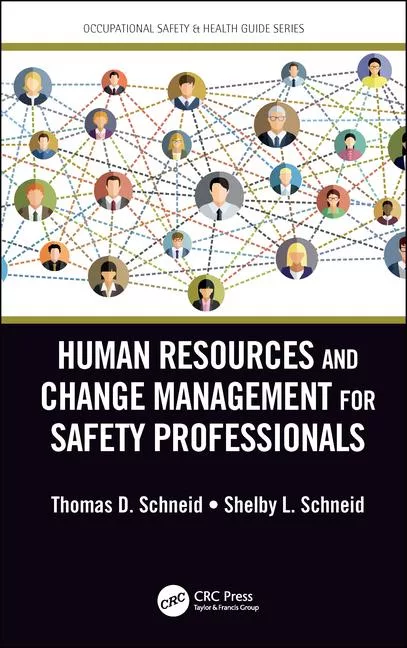
      Human Resources and Change Management for Safety Professionals

    • 111894948X.jpg

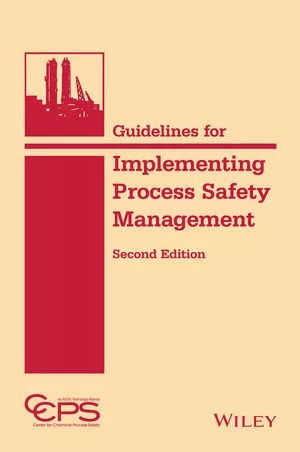
      Guidelines for Implementing Process Safety Management, 2nd Edition

    See More Products

    Events

    View AllSubmit An Event
    • March 26, 2026

      Electrical Safety Essentials: A Practical Guide for Safety Professionals

      ON DEMAND: This one-hour webinar provides general safety professionals with a practical, non-technical overview of electrical hazards, injury mechanisms, and prevention strategies aligned with OSHA 29 CFR 1910 Subpart S and related standards.
    View AllSubmit An Event

    Related Directories

    • Knowledgeware Communications Corp.

      KnowledgeWare offers an easy-to-use online safety training course authoring system and worker training management / SOP / best practices / continuous improvement services. We specialize in putting your training powerpoints online and building customized company courses for web based delivery. Since 1996, Western Canada based, we provide best-in-class Train-the-Trainer online instructor skills training , WHMIS Orientation, and Food Safety Level 1 training programs, including our unique Food Allergies for Food Handlers course covering anaphlaxis.
    ×

    Become a Leader in Safety Culture

    Build your knowledge with ISHN, covering key safety, health and industrial hygiene news, products, and trends.

    JOIN TODAY
    • RESOURCES
      • Advertise
      • Contact Us
      • Directories
      • Manufacturing Division
      • Store
      • Want More
    • SIGN UP TODAY
      • Create Account
      • eMagazine
      • Newsletters
      • Customer Service
      • Manage Preferences
    • SERVICES
      • Marketing Services
      • Reprints
      • Market Research
      • List Rental
      • Survey/Respondent Access
    • STAY CONNECTED
      • LinkedIn
      • Facebook
      • YouTube
      • X (Twitter)
    • PRIVACY
      • PRIVACY POLICY
      • TERMS & CONDITIONS
      • DO NOT SELL MY PERSONAL INFORMATION
      • PRIVACY REQUEST
      • ACCESSIBILITY

    Copyright ©2026. All Rights Reserved BNP Media, Inc. and BNP Media II, LLC.

    Design, CMS, Hosting & Web Development :: ePublishing