ISHN logo
search
cart
facebook twitter linkedin youtube
  • Sign In
  • Create Account
  • Sign Out
  • My Account
ISHN logo
  • NEWS
    • Today's News
    • Global Safety News
    • Government Regulations
  • PRODUCTS
    • Product Innovations
    • Featured Products
  • TOPICS
    • Environmental Health and Safety
    • Facility Safety
    • Workplace Health
    • Occupational Safety
    • PPE
    • More Topics
  • CONSTRUCTION
  • TECHNOLOGY
  • COLUMNS
    • Best Practices
    • Dave Johnson: What’s going on
    • Editorial Comments
    • Leading Safety
  • MULTIMEDIA
    • ISHN Podcast
    • Videos
    • Cold Stress Education Quiz
    • Webinars
    • White Papers
  • MORE
    • Buyer's Guide
    • Newsletters
    • Convention Companion
    • Polls
    • Events
    • ISHN Store
    • Sponsor Insights
  • EMAGAZINE
    • eMagazine
    • Archived Issues
    • Contact
    • Advertise
  • JOIN TODAY!
Today's Safety News

BLS releases lost-time injury details

April 2, 2004
A total of 1.4 million injuries and illnesses in private industry required recuperation away from work beyond the day of the incident in 2002, according to the Bureau of Labor Statistics, U.S. Department of Labor.

Truck drivers and nursing aides, orderlies and attendants suffered the most lost-time cases. Of the 112,200 injured truck drivers, 93 percent were men. Half of their injuries were sprains or strains, often to the trunk or lower extremities, stemming from overexertion, contacts with objects or equipment, or falls.

In contrast, 91 percent of the 79,000 injured nursing aides and related workers were women. They predominantly suffered sprains and strains to their trunk (typically their back) due to overexertion related to lifting or moving patients.

In goods-producing industries such as construction and manufacturing, which make up about 20 percent of private industry employment but account for one-third of injuries and illnesses requiring days away from work, contact with objects and equipment — such as being struck by an object — was the most prevalent event.

This is in contrast to service-producing industries, which make up 80 percent of private industry employment and account for two-thirds of the most severe injuries and illnesses. In these industries, overexertion — especially overexertion by lifting — was the most prevalent event.

In addition to the 1.4 million cases requiring at least one day away from work, more than one million cases of injuries and illnesses required only job transfer or restricted work activity.

Sprains and strains, most often involving the back, accounted for 43 percent of injuries and illnesses resulting in days away from work in 2002. When sprains and strains, bruises and contusions, cuts and lacerations, and fractures are combined, they accounted for nearly two-thirds of the cases with days away from work.

Injuries and illnesses to workers aged 20 to 44 accounted for 64 percent of all injured workers, about the same as their share of hours worked in 2002, 62 percent. Although workers aged 65 and over accounted for only a small portion (1.7 percent) of total injuries and illnesses, 61 percent of these cases occurred in the services and retail trade industries.

Employees with one to five years of service with their employer accounted for 37 percent of all injuries and illnesses sustained, while workers with more experience (more than five years of service) made up 29 percent of total cases in 2002.

Floors, walkways, and ground surfaces; worker motion or position; containers; and parts and materials accounted for 57 percent of reported cases in private industry and were the leading sources of injury and illness in 2002.

Musculoskeletal disorders (MSD) — an injury or disorder of the muscles, nerves, tendons, joints, cartilage and spinal discs — accounted for 487,900, or 34 percent, of the injuries and illnesses with days away from work.

The services industry reported the most musculoskeletal disorders, accounting for 29 percent of all cases of this type.

The manufacturing industry reported 21 percent of all MSD cases.

Nursing aides, orderlies and attendants had the highest number of musculoskeletal disorders (44,400) in 2002, followed by truck drivers with 36,800 MSD cases.

Among major disabling injuries and illnesses, median days away from work were highest for carpal tunnel syndrome (30 days), fractures (29 days), and amputations (26 days).

Among the most frequent events or exposures, repetitive motion, such as grasping tools, scanning groceries and typing, resulted in the longest absences from work — a median of 23 days. Falls to lower level resulted in the next longest absences from work with a median of 14 days.

Share This Story

Looking for a reprint of this article?
From high-res PDFs to custom plaques, order your copy today!

Recommended Content

JOIN TODAY
to unlock your recommendations.

Already have an account? Sign In

  • forklift safety

    Exploring the latest technologies in forklift safety

    With more staff and more stock in warehousing now more...
    Facility Safety
    By: Josh Cramer
  • welding

    All about welder’s flash or arc eye

    A flash burn is a painful inflammation of the cornea,...
    Environmental Health and Safety
  • dangerous jobs

    The 10 most dangerous jobs in the U.S.

    On-the-job deaths have been rising — hitting the highest...
    Construction Industry Safety and Health
    By: Benita Mehta
Manage My Account
  • eMagazine Subscriptions
  • ISHN Newsletter & Other Newsletter Alerts
  • Online Registration
  • Manage My Preferences
  • Subscription Customer Service

More Videos

Sponsored Content

Sponsored Content is a special paid section where industry companies provide high quality, objective, non-commercial content around topics of interest to the ISHN audience. All Sponsored Content is supplied by the advertising company and any opinions expressed in this article are those of the author and not necessarily reflect the views of ISHN or its parent company, BNP Media. Interested in participating in our Sponsored Content section? Contact your local rep!

close
  • man wearing the the Sundström SR200 Full Face Mask Respirator
    Sponsored byOHD

    5 Fit Testing Mistakes That Could Cost You

  • This image shows Magid AcuSpex polarized blue mirrored safety glasses.
    Sponsored byMagid Glove and Safety

    Construction PPE Guide: What Crews Need for Each Task

  • lone worker in confined space
    Sponsored byAlphasense Ltd.

    GET THE LEAD OUT of your Safety Oxygen Sensors!

Popular Stories

SpaceX 7 launch

OSHA Investigating Fatal Fall at SpaceX Starbase

Worker Impairment

How to Tell When a Co-Worker is Impaired? A Safety Pro’s Challenge

Automated loading dock equipment

After March 2026 Rivian Death, Safety Managers Reassess Loading Dock Systems Under OSHA's Warehouse Emphasis Program

top 10 most dangerous jobs

Poll

Seasonal Readiness

With the federal heat stress prevention rule on the horizon, which area of your safety program needs the most attention?
View Results Poll Archive

Products

Surviving an OSHA Audit A Management Guide, 2nd Edition

Surviving an OSHA Audit A Management Guide, 2nd Edition

See More Products

ISHN Podcasts

Related Articles

  • United Piping goes 2 million man hours without a lost-time injury

    See More
  • 20 years without a single lost-time injury

    See More
  • OSHA to increase inspections of nursing homes and care facilities to curb high lost-time injury rates among nurses and orderlies

    See More

Related Products

See More Products
  • 1118645685.jpg

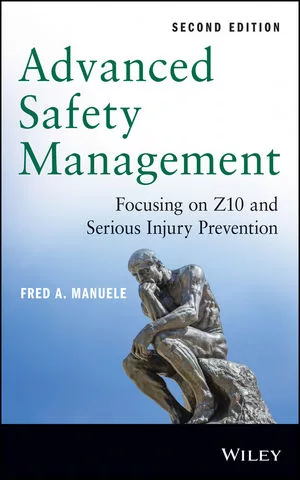
    Advanced Safety Management: Focusing on Z10 and Serious Injury Prevention, 2nd Edition

  • Top Ten Pitfalls in OSHA Recordkeeping and How to Avoid Them

See More Products
×

Become a Leader in Safety Culture

Build your knowledge with ISHN, covering key safety, health and industrial hygiene news, products, and trends.

JOIN TODAY
  • RESOURCES
    • Advertise
    • Contact Us
    • Directories
    • Manufacturing Division
    • Store
    • Want More
  • SIGN UP TODAY
    • Create Account
    • eMagazine
    • Newsletters
    • Customer Service
    • Manage Preferences
  • SERVICES
    • Marketing Services
    • Reprints
    • Market Research
    • List Rental
    • Survey/Respondent Access
  • STAY CONNECTED
    • LinkedIn
    • Facebook
    • YouTube
    • X (Twitter)
  • PRIVACY
    • PRIVACY POLICY
    • TERMS & CONDITIONS
    • DO NOT SELL MY PERSONAL INFORMATION
    • PRIVACY REQUEST
    • ACCESSIBILITY

Copyright ©2026. All Rights Reserved BNP Media, Inc. and BNP Media II, LLC.

Design, CMS, Hosting & Web Development :: ePublishing