ISHN logo
search
cart
facebook twitter linkedin youtube
  • Sign In
  • Create Account
  • Sign Out
  • My Account
ISHN logo
  • NEWS
    • Today's News
    • Global Safety News
    • Government Regulations
  • PRODUCTS
    • Product Innovations
    • Featured Products
  • TOPICS
    • Environmental Health and Safety
    • Facility Safety
    • Workplace Health
    • Occupational Safety
    • PPE
    • More Topics
  • CONSTRUCTION
  • TECHNOLOGY
  • COLUMNS
    • Best Practices
    • Dave Johnson: What’s going on
    • Editorial Comments
    • Leading Safety
  • MULTIMEDIA
    • ISHN Podcast
    • Videos
    • Cold Stress Education Quiz
    • Webinars
    • White Papers
  • MORE
    • Buyer's Guide
    • Newsletters
    • Convention Companion
    • Polls
    • Events
    • ISHN Store
    • Sponsor Insights
  • EMAGAZINE
    • eMagazine
    • Archived Issues
    • Contact
    • Advertise
  • JOIN TODAY!

Invisible threat

By Mary Klein Buller
April 8, 2006
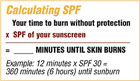
Figure 1


Employees face risks every workday. The operation of heavy equipment, electrical lines, chemicals, and even traffic can make a workplace hazardous. Yet one of the most consistent, insidious and dangerous occupational exposures that threatens outdoor workers’ health goes largely unrecognized and uncombated — the sun’s ultraviolet radiation (UVR).

UVR is the primary cause of skin cancer. Outdoor workers receive up to eight times more UVR exposure and have a 60 percent greater risk of developing skin cancer than indoor workers. Skin cancer is the fastest growing and most prevalent form of cancer in the U.S.

So what do you and your employees need to know to work safely under the sun?

1) Know your risk

Sun exposure at any age can cause skin cancer. According to OSHA, you need to be especially careful if you have:

  • numerous moles, irregular moles or large moles;
  • freckles, or burn before tanning;
  • fair skin, or blond, red or light brown hair.
    You also need to consider the amount and intensity of the UVR you are exposed to daily. You need to be especially careful if you:
  • live in the south or southwest;
  • live or work at high altitude;
  • spend a lot of time outdoors at midday or in the summer.

    2) Ban the burn

    Reducing sunburn is the single most preventable risk factor for skin cancer. Short periods of intense sun exposure are associated with a two-fold increase in melanoma risk. Also, it’s possible to get sunburned on a cloudy day. Clouds block only 20-40 percent of UVR.

    3) Take cover

    Staying out of the sun whenever possible is the most foolproof way to protect yourself. If no shade is available, bring portable shade with you to a jobsite. If you work or rest in a vehicle, window glass blocks UVB but not all UVA.

    4) Cover up

    As much as 85 percent of UVR can reflect off of sand, tile, cement and water, so shade cover may not be enough protection. Clothing can be an excellent sunscreen. Long-sleeved shirts with collars, long pants, shoes and socks provide more coverage than tank-tops, t-shirts, shorts and sandals. Fabrics with a tight weave between the threads block more UVR than loosely woven fabrics. Light-colored clothing feels cooler because it reflects infrared light (heat), but darker colors absorb harmful UVR better.

    5) Wear a hat

    More skin cancers occur on the head and face than any other place on the body. Tightly woven hats with a three-inch brim all the way around can help reduce sun exposure to the head, face and neck by as much as two-thirds.

    6) Use sunscreen

    Sunscreen is a valuable sun protection measure when used appropriately. Regular use of a broad-spectrum sunscreen is effective in preventing UVR-induced skin damage that may result in skin cancer. There are two major types of UVR that damage skin, UVB and UVA. All sunscreens protect against UVB, but only broad spectrum sunscreens protect against both UVB and UVA. To block UVA, look for avobenzone, oxybenzone, zinc oxide and titanium dioxide in the active ingredients. The active ingredients in sunscreen absorb, reflect or scatter the harmful rays of the sun.

    Sunscreen provides protection for a limited amount of time, usually the number of minutes it normally takes your skin to redden multiplied by the SPF of the sunscreen (see Figure 1).

    Ideally, a broad spectrum, high SPF sunscreen should be used in addition to wearing sun protective clothing. Reapply sunscreen every two hours. The reapplication of sunscreen only keeps up the protection of the first application; it doesn’t give you extra or longer protection.

    7) Shade your eyes

    Like the skin, your eyes can be damaged from too much sun exposure. UVR can cause cataracts, degeneration of the retina, and even melanoma of the eye. UV-protective sunglasses can reduce UVR exposure to the eyes significantly. Choose sunglasses that block 99-100 percent of UVR. Bigger lenses or lenses that wrap around the face offer more UVR protection.

    8) Do a skin self-exam

    When skin cancer is detected early it can almost always be cured. The most important warning sign for skin cancer is a spot on the skin that is changing in size, color or shape. Examine your skin and see a doctor if you find anything unusual.

    9) Check UV Index daily

    The EPA’s UV Index (www.epa.gov/sunwise/uvindex.html) provides a daily forecast of the expected intensity of the sun for 58 U.S. cities. The Index predicts UVR intensity on a scale of 1 to 11+, where 1 means minimal risk and 11+ means a very high risk of overexposure. Checking the Index can help you plan the sun precautions your employees should take each workday.

    Links

    • EPA
  • Share This Story

    Looking for a reprint of this article?
    From high-res PDFs to custom plaques, order your copy today!

    Mary Buller, M.A., is president of Klein Buendel, Inc. (www.kleinbuendel.com), a health communication research firm in Golden, Colo. She has worked in public health education for 20 years with a focus on sun protection and skin cancer prevention. Ms. Buller develops sun safety and nutrition education programs for children and adults. From 1998 to 2001, she founded and directed the American Sun Protection Association.

    Recommended Content

    JOIN TODAY
    to unlock your recommendations.

    Already have an account? Sign In

    • forklift safety

      Exploring the latest technologies in forklift safety

      With more staff and more stock in warehousing now more...
      Facility Safety
      By: Josh Cramer
    • welding

      All about welder’s flash or arc eye

      A flash burn is a painful inflammation of the cornea,...
      Environmental Health and Safety
    • dangerous jobs

      The 10 most dangerous jobs in the U.S.

      On-the-job deaths have been rising — hitting the highest...
      Construction Industry Safety and Health
      By: Benita Mehta
    Manage My Account
    • eMagazine Subscriptions
    • ISHN Newsletter & Other Newsletter Alerts
    • Online Registration
    • Manage My Preferences
    • Subscription Customer Service

    More Videos

    Sponsored Content

    Sponsored Content is a special paid section where industry companies provide high quality, objective, non-commercial content around topics of interest to the ISHN audience. All Sponsored Content is supplied by the advertising company and any opinions expressed in this article are those of the author and not necessarily reflect the views of ISHN or its parent company, BNP Media. Interested in participating in our Sponsored Content section? Contact your local rep!

    close
    • man wearing the the Sundström SR200 Full Face Mask Respirator
      Sponsored byOHD

      5 Fit Testing Mistakes That Could Cost You

    • This image shows Magid AcuSpex polarized blue mirrored safety glasses.
      Sponsored byMagid Glove and Safety

      Construction PPE Guide: What Crews Need for Each Task

    • lone worker in confined space
      Sponsored byAlphasense Ltd.

      GET THE LEAD OUT of your Safety Oxygen Sensors!

    Popular Stories

    SpaceX 7 launch

    OSHA Investigating Fatal Fall at SpaceX Starbase

    Automated loading dock equipment

    After March 2026 Rivian Death, Safety Managers Reassess Loading Dock Systems Under OSHA's Warehouse Emphasis Program

    psychology in the workplace

    Most Workplaces Measure Psychological Safety, Ignoring Psychosocial Risks

    top 10 most dangerous jobs

    Poll

    Seasonal Readiness

    With the federal heat stress prevention rule on the horizon, which area of your safety program needs the most attention?
    View Results Poll Archive

    Products

    Surviving an OSHA Audit A Management Guide, 2nd Edition

    Surviving an OSHA Audit A Management Guide, 2nd Edition

    See More Products

    ISHN Podcasts

    Related Articles

    • The power of being an invisible

      See More
    • women's health in the workforce

      NSC News: The Invisible Side of Safety

      See More
    • Invisible risks of welding

      See More
    ×

    Become a Leader in Safety Culture

    Build your knowledge with ISHN, covering key safety, health and industrial hygiene news, products, and trends.

    JOIN TODAY
    • RESOURCES
      • Advertise
      • Contact Us
      • Directories
      • Manufacturing Division
      • Store
      • Want More
    • SIGN UP TODAY
      • Create Account
      • eMagazine
      • Newsletters
      • Customer Service
      • Manage Preferences
    • SERVICES
      • Marketing Services
      • Reprints
      • Market Research
      • List Rental
      • Survey/Respondent Access
    • STAY CONNECTED
      • LinkedIn
      • Facebook
      • YouTube
      • X (Twitter)
    • PRIVACY
      • PRIVACY POLICY
      • TERMS & CONDITIONS
      • DO NOT SELL MY PERSONAL INFORMATION
      • PRIVACY REQUEST
      • ACCESSIBILITY

    Copyright ©2026. All Rights Reserved BNP Media, Inc. and BNP Media II, LLC.

    Design, CMS, Hosting & Web Development :: ePublishing