ISHN logo
search
cart
facebook twitter linkedin youtube
  • Sign In
  • Create Account
  • Sign Out
  • My Account
ISHN logo
  • NEWS
    • Today's News
    • Global Safety News
    • Government Regulations
  • PRODUCTS
    • Product Innovations
    • Featured Products
  • TOPICS
    • Environmental Health and Safety
    • Facility Safety
    • Workplace Health
    • Occupational Safety
    • PPE
    • More Topics
  • CONSTRUCTION
  • TECHNOLOGY
  • COLUMNS
    • Best Practices
    • Dave Johnson: What’s going on
    • Editorial Comments
    • Leading Safety
  • MULTIMEDIA
    • ISHN Podcast
    • Videos
    • Cold Stress Education Quiz
    • Webinars
    • White Papers
  • MORE
    • Buyer's Guide
    • Newsletters
    • Convention Companion
    • Polls
    • Events
    • ISHN Store
    • Sponsor Insights
  • EMAGAZINE
    • eMagazine
    • Archived Issues
    • Contact
    • Advertise
  • JOIN TODAY!

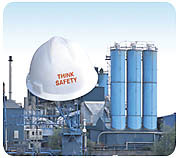
Building a safety culture
By Sara Hornik
August 11, 2006


Building a safety culture in your organization does not happen overnight. At the root of a safety culture is behavior, and changing human behavior requires education. Changes occur on two levels: getting the individual to stop doing some things and getting the individual to start doing other things.

Some people are resistant to change because it is unknown. People do what they do because that’s what they know how to do, and because it has worked for them in the past. Thus, for people to stop what they are doing, their current behavior patterns must first be disconfirmed. They must conclude that their current behavior no longer serves them well. Positive associations with new behavior must be formed, and we form new behavior traits through education.

Promote learning

Creating a culture that promotes learning is pivotal in developing a culture of safety. Learning plays an important role in creating a positive environment. Organizations that promote learning indirectly promote employee morale; employees view themselves as more valuable to the organization when they see the organization investing in them.

Educate employees on safety hazards in their working environment and use training programs that teach “how to” rather than “what not to do.” Workers must comprehend the value of the training they receive. Provide positive reinforcement and incentives for training. Help employees understand that training is not just a company requirement; it is for their well-being. Learning best safety practices and hazards awareness is laying the groundwork for a safety culture.

Promote safety within your organization. Communicate with every level of the organization the importance of safety for employee well-being and the organization. Posting safety signs and handing out employee handbooks are both credible ways to create safety awareness throughout your organization. Utilize whatever means you have available to communicate with your team and management. Keep messages consistent and appealing. Constant reminders of both safe behavior and safety hazards will keep safety at the forefront of peoples’ minds.

Recognition

Recognize when positive safety choices are made, and make corrections when negative safety choices are made. Many organizations today are using recognition/rewards systems to promote safe behavior. This is a great way to promote safety as long as the foundation has been laid with training and education. When you see an employee working safe, recognize them and set an encouraging example for the rest of the team. On the other hand, when unsafe actions occur, determine what is causing the unsafe behavior and take corrective action to ensure it doesn’t happen again.

Use accident and incident investigation techniques to determine the root cause of the accident, injury or unsafe behavior to train the employee(s) to correct their action. Rather than punishing an employee, help them to understand what they are doing wrong and how to correct the unsafe behavior.
Accountability

In order for a safety culture to persist, everyone in your organization should be accountable for safety, including you. Set goals and document successes. If one fails to meet a goal, use corrective action and positive reinforcement to correct behavior and encourage safety. When goals are met, reward the group. Assess your progress regularly and adjust the plan, communication strategy or training program if need be. Many organizations are adapting responsibility programs to use resources efficiently, such as lean manufacturing and Six Sigma, and holding the organization accountable for productivity and product quality. The same is true for safety — if a person is to be responsible for safety then one must also be held accountable for his or her actions.

Promote openness and communication about safety in your organization. Solicit feedback and involve every level of the organization in your safety goals. Safety committees should consist of individuals from various levels and departments within your organization. Trust is very important in this process. Employees must feel as though they can express thoughts and report accidents or incidents without fear of blame or punishment. A true safety culture promotes the positive and looks to change or fix the negative behavior.

Strong leadership

There are many aspects of human behavior that need to be altered in order to achieve a successful culture change. Developing a culture of safety at your organization takes careful planning and maintenance, and most importantly strong leadership. Management and employees must change their attitudes and incorporate safety into everything they do.

Developing and maintaining a safety culture is an ongoing process that will evolve over time. Commitment to it and a positive approach to safe behavior will ensure a culture of safety at your organization for years to come.

Share This Story

Looking for a reprint of this article?
From high-res PDFs to custom plaques, order your copy today!

Sara Hornik is marketing manager at Summit Training Source, a complete EHS training solution provider. She has a B.A. in Communication from Michigan State University. Sara can be reached at SaraH@safetyontheweb.com.

Recommended Content

JOIN TODAY
to unlock your recommendations.

Already have an account? Sign In

  • forklift safety

    Exploring the latest technologies in forklift safety

    With more staff and more stock in warehousing now more...
    Workplace Training Strategies
    By: Josh Cramer
  • welding

    All about welder’s flash or arc eye

    A flash burn is a painful inflammation of the cornea,...
    Environmental Health and Safety
  • dangerous jobs

    The 10 most dangerous jobs in the U.S.

    On-the-job deaths have been rising — hitting the highest...
    Government Safety Regulations
    By: Benita Mehta
Manage My Account
  • eMagazine Subscriptions
  • ISHN Newsletter & Other Newsletter Alerts
  • Online Registration
  • Manage My Preferences
  • Subscription Customer Service

More Videos

Sponsored Content

Sponsored Content is a special paid section where industry companies provide high quality, objective, non-commercial content around topics of interest to the ISHN audience. All Sponsored Content is supplied by the advertising company and any opinions expressed in this article are those of the author and not necessarily reflect the views of ISHN or its parent company, BNP Media. Interested in participating in our Sponsored Content section? Contact your local rep!

close
  • man wearing the the Sundström SR200 Full Face Mask Respirator
    Sponsored byOHD

    5 Fit Testing Mistakes That Could Cost You

  • This image shows Magid AcuSpex polarized blue mirrored safety glasses.
    Sponsored byMagid Glove and Safety

    Construction PPE Guide: What Crews Need for Each Task

  • lone worker in confined space
    Sponsored byAlphasense Ltd.

    GET THE LEAD OUT of your Safety Oxygen Sensors!

Popular Stories

SpaceX 7 launch

OSHA Investigating Fatal Fall at SpaceX Starbase

Worker Impairment

How to Tell When a Co-Worker is Impaired? A Safety Pro’s Challenge

psychology in the workplace

Most Workplaces Measure Psychological Safety, Ignoring Psychosocial Risks

top 10 most dangerous jobs

Poll

Seasonal Readiness

With the federal heat stress prevention rule on the horizon, which area of your safety program needs the most attention?
View Results Poll Archive

Products

Surviving an OSHA Audit A Management Guide, 2nd Edition

Surviving an OSHA Audit A Management Guide, 2nd Edition

See More Products

ISHN Podcasts

Related Articles

  • 5 steps to building a safety culture

    See More
  • PETERSEN'S PAGE: Building a safety culture

    See More
  • Grainger releases white paper on building a sustainable safety culture in time for National Safety Month

    See More

Related Products

See More Products
  • 1119772133.jpg

    Delivering Safety Excellence: Engagement Culture at Every Level

  • 9780367861148.jpg

    LEAD Safety A Practical Handbook for Frontline Supervisors and Safety Practitioners

  • 9781138749573.jpg

    Occupational Health and Safety Management: A Practical Approach, Third Edition

See More Products

Related Directories

  • Florida Chamber Safety Council

    With vision and strategy guided by a Statewide Leadership Advisory Board, the Florida Chamber Safety Council is creating national standards for workplace safety, implementing first-in-the-nation programs to prevent injuries, reduce operational costs, and improve production, performance, and corporate safety culture.
×

Become a Leader in Safety Culture

Build your knowledge with ISHN, covering key safety, health and industrial hygiene news, products, and trends.

JOIN TODAY
  • RESOURCES
    • Advertise
    • Contact Us
    • Directories
    • Manufacturing Division
    • Store
    • Want More
  • SIGN UP TODAY
    • Create Account
    • eMagazine
    • Newsletters
    • Customer Service
    • Manage Preferences
  • SERVICES
    • Marketing Services
    • Reprints
    • Market Research
    • List Rental
    • Survey/Respondent Access
  • STAY CONNECTED
    • LinkedIn
    • Facebook
    • YouTube
    • X (Twitter)
  • PRIVACY
    • PRIVACY POLICY
    • TERMS & CONDITIONS
    • DO NOT SELL MY PERSONAL INFORMATION
    • PRIVACY REQUEST
    • ACCESSIBILITY

Copyright ©2026. All Rights Reserved BNP Media, Inc. and BNP Media II, LLC.

Design, CMS, Hosting & Web Development :: ePublishing