ISHN logo
search
cart
facebook twitter linkedin youtube
  • Sign In
  • Create Account
  • Sign Out
  • My Account
ISHN logo
  • NEWS
    • Today's News
    • Global Safety News
    • Government Regulations
  • PRODUCTS
    • Product Innovations
    • Featured Products
  • TOPICS
    • Environmental Health and Safety
    • Facility Safety
    • Workplace Health
    • Occupational Safety
    • PPE
    • More Topics
  • CONSTRUCTION
  • TECHNOLOGY
  • COLUMNS
    • Best Practices
    • Dave Johnson: What’s going on
    • Editorial Comments
    • Leading Safety
  • MULTIMEDIA
    • ISHN Podcast
    • Videos
    • Cold Stress Education Quiz
    • Webinars
    • White Papers
  • MORE
    • Buyer's Guide
    • Newsletters
    • Convention Companion
    • Polls
    • Events
    • ISHN Store
    • Sponsor Insights
  • EMAGAZINE
    • eMagazine
    • Archived Issues
    • Contact
    • Advertise
  • JOIN TODAY!
Today's Safety News

Coal miners CWP on the rise, says NIOSH (4/27)

April 27, 2011


After a long period of declining rates, the prevalence of coal workers’ pneumoconiosis (CWP) is on the rise, and coal miners are developing CWP at relatively young ages.

Those are among the conclusions of a report on the health effects of coal mining just released by the National Institute for Occupational Safety and Health (NIOSH).

The “Current Intelligence Bulletin 64: Coal Mine Dust Exposures and Associated Health Outcomes” updates the information on coal mine dust exposures and associated health effects from 1995 to the present, focusing on whether or not whether recommendations from a 1995 report needed to be updated or supplemented in light of recent findings.

NIOSH researchers found that the increase in CWP –which has been linked to exposure to coal dust -- is concentrated in the central Appalachian region of southern West Virginia, eastern Kentucky, and western Virginia.

“The cause of this resurgence in disease is likely multifactorial,” according to the bulletin. “Possible expla­nations include excessive exposure due to increases in coal mine dust levels and duration of exposure (longer working hours), and increases in crystalline silica exposure (see below). As indicated by data on disease prevalence and severity, workers in smaller mines may be at special risk.”

Bulletin #64 concludes that NIOSH’s earlier recommendations concerning the prevention of occupational respiratory disease among coal miners “remains essentially unaffected” by findings that have emerged since the publication of the 1995 document entitled, Criteria for a Recommended Standard—Occupational Exposure to Respirable Coal Mine Dust.

“While findings published since 1995 refine or add further to the understand­ing of the respiratory health effects of coal mine dust described in the NIOSH CCD, they do not contradict or critically modify the primary conclusions and associated recommendations given there. Rather, the new findings strength­en those conclusions and recommendations.”

The authors of the bulletin said that, as in the past, “every effort needs to be made to reduce exposure to both coal mine dust and to crystalline silica dust.” In order to accomplish that goal, they recommended establishing a separate compliance standard in order to provide an effective limit to exposure to crystalline silica dust.

The guidelines for acceptable exposure limits remain:
  • Exposures to respirable coal mine dust should be limited to 1 mg/m3 as a time-weighted average concentration for up to a 10 hour day during a 40 hour work week;
  • Exposures to respirable crystalline silica should be limited to 0.05 mg/m3 as a time-weighted average concentration for up to a 10 hour day during a 40 hour work week;
  • The periodic medical examination for coal miners should include spirometry;
  • Periodic medical examinations should include a standardized respiratory symptom questionnaire;
  • Surface coal miners should be added to and included in the periodic medical monitoring.

Share This Story

Looking for a reprint of this article?
From high-res PDFs to custom plaques, order your copy today!

Recommended Content

JOIN TODAY
to unlock your recommendations.

Already have an account? Sign In

  • forklift safety

    Exploring the latest technologies in forklift safety

    With more staff and more stock in warehousing now more...
    Facility Safety
    By: Josh Cramer
  • welding

    All about welder’s flash or arc eye

    A flash burn is a painful inflammation of the cornea,...
    Environmental Health and Safety
  • dangerous jobs

    The 10 most dangerous jobs in the U.S.

    On-the-job deaths have been rising — hitting the highest...
    Government Safety Regulations
    By: Benita Mehta
Manage My Account
  • eMagazine Subscriptions
  • ISHN Newsletter & Other Newsletter Alerts
  • Online Registration
  • Manage My Preferences
  • Subscription Customer Service

More Videos

Sponsored Content

Sponsored Content is a special paid section where industry companies provide high quality, objective, non-commercial content around topics of interest to the ISHN audience. All Sponsored Content is supplied by the advertising company and any opinions expressed in this article are those of the author and not necessarily reflect the views of ISHN or its parent company, BNP Media. Interested in participating in our Sponsored Content section? Contact your local rep!

close
  • man wearing the the Sundström SR200 Full Face Mask Respirator
    Sponsored byOHD

    5 Fit Testing Mistakes That Could Cost You

  • This image shows Magid AcuSpex polarized blue mirrored safety glasses.
    Sponsored byMagid Glove and Safety

    Construction PPE Guide: What Crews Need for Each Task

  • lone worker in confined space
    Sponsored byAlphasense Ltd.

    GET THE LEAD OUT of your Safety Oxygen Sensors!

Popular Stories

SpaceX 7 launch

OSHA Investigating Fatal Fall at SpaceX Starbase

Worker Impairment

How to Tell When a Co-Worker is Impaired? A Safety Pro’s Challenge

Automated loading dock equipment

After March 2026 Rivian Death, Safety Managers Reassess Loading Dock Systems Under OSHA's Warehouse Emphasis Program

top 10 most dangerous jobs

Poll

Seasonal Readiness

With the federal heat stress prevention rule on the horizon, which area of your safety program needs the most attention?
View Results Poll Archive

Products

Surviving an OSHA Audit A Management Guide, 2nd Edition

Surviving an OSHA Audit A Management Guide, 2nd Edition

See More Products

ISHN Podcasts

Related Articles

  • Coal miner’s black lung disease on the rise in several Appalachian states

    See More
  • Survey: Company wellness programs on the rise; financial incentives fuel participation (4/16)

    See More
  • Black lung on the rise since 2000

    See More

Related Products

See More Products
  • 0470074876vol4.jpg

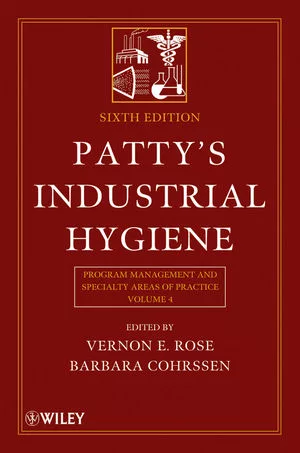
    Patty's Industrial Hygiene, Volume 4, Program Management and Specialty Areas of Practice , 6th Edition

See More Products
×

Become a Leader in Safety Culture

Build your knowledge with ISHN, covering key safety, health and industrial hygiene news, products, and trends.

JOIN TODAY
  • RESOURCES
    • Advertise
    • Contact Us
    • Directories
    • Manufacturing Division
    • Store
    • Want More
  • SIGN UP TODAY
    • Create Account
    • eMagazine
    • Newsletters
    • Customer Service
    • Manage Preferences
  • SERVICES
    • Marketing Services
    • Reprints
    • Market Research
    • List Rental
    • Survey/Respondent Access
  • STAY CONNECTED
    • LinkedIn
    • Facebook
    • YouTube
    • X (Twitter)
  • PRIVACY
    • PRIVACY POLICY
    • TERMS & CONDITIONS
    • DO NOT SELL MY PERSONAL INFORMATION
    • PRIVACY REQUEST
    • ACCESSIBILITY

Copyright ©2026. All Rights Reserved BNP Media, Inc. and BNP Media II, LLC.

Design, CMS, Hosting & Web Development :: ePublishing