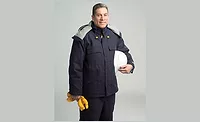
FR layering systems keep your skin dry
One of the most effective means of providing adaptability is through the technique of layering. The significant advantage of layering clothing is that it allows for quick adjustments based on activity level and changes in the weather. Typically there are three layers in a layering system and each layer has a distinct function:
1. The Base Layer (next to your skin) manages moisture;
2. The Middle Layer is the insulating layer and protects you from the cold, and
3. The Outer Layer shields you from wind
and rain.
The base layer (next to skin)
More than any other layer, the base layer helps regulate body temperature by moving perspiration away from the skin. Trapped inside your clothing, perspiration can leave you cold or damp, no matter how well your outer layer fends off rain and snow. Keeping dry is not only a matter of comfort, but important for avoiding hypothermia in cold weather.
If you’ve ever worn a cotton T-shirt under your raincoat while working up a sweat, you probably remember feeling wet and clammy, even though you weren’t getting wet from the rain itself. Cotton is an example of a slow-drying fabric that retains perspiration, which can leave workers vulnerable to unwanted chills.
Keeping your skin dry is a cornerstone of safety. It involves pulling moisture (wicking) off the skin, and then moving the moisture to the outer surface of the garment where it then can evaporate or move into the next layer of clothing. Unique blends of hydrophobic (water-hating) and hydrophilic (water-loving) fibers can help make the magic happen. Combining these fibers with unique knitting processes helps the worker and the garment dry more quickly.
Garment design plays a critical role in worker comfort since this base layer is next to skin. Consider features such as flat-lock stitching to prevent chaffing and garment designs that are gender specific. A 1/4-zip or 1/4-button front can help further regulate body temperature.
The insulating middle layer (helps retain heat by trapping air close to the worker’s body)
FR knit sweatshirts and FR fleece vests and jackets are the most common insulators. Fleece vests and jackets were pioneered in the recreational market for activities like hiking, skiing and hunting. They’ve been adopted for FR work wear because they are lightweight, breathable and have very high warmth-to-weight ratios.
The best middle layers compliment your base layer and are composed of fibers that will work with the base layer to continue moving moisture away from the skin and dry quickly. There are even some new FR middle layers that have high wind resistance and a durable water repellency to double as an outer layer by blocking wind and shedding light rain or snow.
Performance will be improved by garment features that allow the worker to regulate their body temperature using arm-pit zippers, front zippers, high collars and closures on the wrists and waist.
The outer layer (protects from wind, rain or snow)
Outer layers range from technical rain gear to simple windproof jackets. The best outer layers are designed to block precipitation and hold in body heat, while allowing water vapor to escape. An outer shell is an important piece in bad weather, because if wind and water are allowed to penetrate to the inner layers, workers will get cold and risk becoming hypothermic.
Just as important as preventing water from getting in from the outside is preventing sweat from getting workers wet from the inside. Without proper ventilation, perspiration will be trapped next to the body and will not evaporate. Without a means of escape, the sweat condenses on the inside of the jacket, making workers uncomfortable and more vulnerable to the cold.
Outer layers can be put into the following categories:
Waterproof and breathable: These are usually the most functional and most expensive garments. They’re ideal for conditions where there is strong rain and heavy work activity.
Waterproof and non-breathable: These more economical shells are ideal for rainy days with light duty work, or for situations such as the need to be disposed of due to contamination.
Soft shells: These offer good wind and rain resistance and excel at breathability. Soft shells usually offer protection from the weather and have some insulating properties, so effectively they combine two layers into one. They are ideal for light precipitation and the heaviest workloads. These have grown in popularity for uniforms and are now available with inherently fire-resistant fabrics that stretch in order to increase worker comfort.
Insulated: Some outer layer jackets have a layer of insulation built in, making them convenient for cold, wet conditions, but reducing their versatility in environments where temperatures and precipitation can fluctuate.
Garment construction is critical for outer layer garments since poor quality construction will result in water or wind penetrating the inner layers of the layering system. In addition, most waterproof/breathable membranes have a limited rate at which moisture passes through, so extremely heavy workloads or workers who perspire heavily will still feel damp. The challenge can be overcome with garment design features such as arm-pit zips and panel ventilation.
During the past decade, fabric choices have increased, performance has been enhanced and garment designs have evolved by taking cues from the high-performance military and outdoor apparel markets.
A cornerstone of maintaining worker comfort and protection in a changing environment is to ensure that your employees are provided with the right combination of flame-resistant work wear layers that work as a layering system for every situation.
Looking for a reprint of this article?
From high-res PDFs to custom plaques, order your copy today!