A heart attack prevention checklist
If you have heart concerns, these are the essential actions you can take to live a longer, healthier life
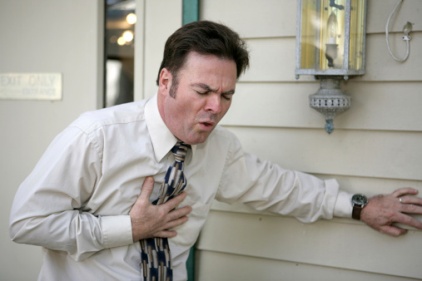 Heart disease causes one in four deaths among men in the United States, but you don't have to be one of them. If you have been diagnosed with heart disease, there are things you can do today to lower your risk.
For advice on the must-do steps men need to take, we talked to Dr. Deepak L. Bhatt, chief of cardiology at VA Boston Healthcare System and director of the Integrated Interventional Cardiovascular Program at Harvard-affiliated Brigham and Women's Hospital.
Take your medications.
Many men with heart disease—or risk factors for it—are advised to take a statin drug to lower their risk of heart attacks. Statins do this by lowering cholesterol, improving artery function, and stabilizing the fatty deposits in arteries that can lead to heart attacks if they suddenly rupture. A daily baby aspirin also helps by making blood platelets less "sticky" and therefore less likely to form clots.
But medications should be part of an overall lifestyle change. "Being on aspirin and a statin won't make you bulletproof," Dr. Bhatt says. "You still could have another heart attack if you are not doing other things that are important."
A surprisingly large number of men prescribed cardiac medications do not take them consistently, or do not take them at all.
They are missing out on a powerful prevention strategy. "For someone who has already had a heart attack, the benefits of statin therapy and daily low-dose aspirin are pretty substantial," Dr. Bhatt says.
Medication also plays a vital role in the treatment of high blood pressure (hypertension). Two-thirds of men over age 60 have hypertension.
Yet many men don't take blood pressure medications consistently, even though it's one of the single most effective ways to prevent heart attacks and strokes. You need to take them every day for life, unless weight loss, a change in diet, or other lifestyle measures eventually allow you to taper off your blood pressure medications under your doctor's supervision.
Be as physically active as you can be.
For men with heart concerns, any amount of exercise is preferred over none or very little. "The benefit is linear," Dr. Bhatt says. "Some is better than none and more in general is better than some."
The amount of exercise to add initially depends on where you start. "If a man is a couch potato, then going from couch potato to a regular walk every day would yield substantial benefit," Dr. Bhatt says. "If he goes from a daily walk to additional exercise, like workouts in the gym, it benefits him even more."
You do not necessarily need to engage in daily sweat-producing cardio workouts, either.
Sign up for cardiac rehabilitation.
Life after a heart attack, angioplasty, or bypass surgery can be stressful. A man may be cautious about starting to exercise and may want specific guidance on diet for heart health. That's where a cardiac rehabilitation program can help. Such programs offer supervised exercise, nutrition counseling, training in stress reduction, and positive social support—all crucial to regaining health after a cardiovascular crisis. Many insurance programs, including Medicare, pay for cardiac rehab after a recent heart attack (within the past 12 months), coronary artery bypass surgery, heart valve replacements, a coronary-artery-opening angioplasty or stent procedure, as well as for current chest pain from clogged coronary arteries.
"If somebody just had a heart attack or cardiac procedure, I don't think he should just wing it," Dr. Bhatt says. "He should go to cardiac rehab."
Get a flu shot.
A bad bout with the flu can land anyone in the hospital, especially individuals with heart failure, diabetes, kidney disease, or asthma. In people with heart disease, a flu infection may increase the risk of chest pain or a heart attack.
Men with heart disease get an additional benefit: Besides preventing the misery of influenza, vaccination may also prevent a heart attack or chest pain. "If someone had a history of heart disease, that might be another reason to get the vaccination," Dr. Bhatt says.
Drink alcohol in moderation.
For men with heart concerns, a standard drink or two of alcohol per day is not likely to cause harm. "If you want to drink and you've had a heart attack, and if you drink moderately, I think it's safe," Dr. Bhatt says. "I don't think you need to stop, assuming you aren't on a medication that interacts with it."
A standard drink is 1.5 ounces (one shot glass) of 80-proof spirits, a 5-ounce serving of table wine, or a 12-ounce serving of beer.
Some research has hinted that moderate drinking may be slightly cardioprotective. But it's important to understand that such studies are merely observations: moderate drinkers tend to have less heart disease, but is it because of the drinking? No one can say for certain—at least without doing a major clinical trial. "There's no evidence of cardiovascular harm, but I'm skeptical that there's truly any benefit," Dr. Bhatt says.
Lose some weight.
If you've got a spare tire, losing some of that excess weight can further reduce your cardiac risk, in addition to the effects of medications, exercise, and good nutrition. As with exercise, some weight loss is better than none, and more is better than some. The two work together to improve your cardiovascular fitness. "Weight loss works better when both dieting and exercise are done together," Dr. Bhatt says.
How to get more heart-healthy exercise today
If you aren't physically active, chances are it's more than a coincidence if you have heart disease. The next step is to get more exercise, but what kind and how much? Here are some get-started options from Dr. Deepak L. Bhatt, director of the Integrated Interventional Cardiovascular Program at Harvard-affiliated Brigham and Women's Hospital.
Walking. For formerly inactive men, the best way to start is daily walking. "Brisk walking is certainly good for the heart and the vascular system, but it's also good for everything else—the joints, the muscles, the bones," says Dr. Bhatt. "It keeps everything going." You should feel the benefits of daily walking fairly soon, with more energy, a lighter mood, and less joint pain—to name just a few benefits identified in research.
Cardio workout. If you want to step it up a bit to more strenuous "cardio" workout at a health club, check in with your doctor to make sure it's safe to do so.
Home gym. Health clubs offer a social environment that some exercisers enjoy, but others may opt for a home treadmill or exercise bike.
Smaller amounts count. You can benefit from the collective effect of physical activity in smaller amounts throughout the day, in contrast to extended sessions on treadmills and elliptical trainers. "Some research says you can get your exercise in smaller increments, say several 10 minute periods," Dr. Bhatt says.
Increase general activity. There are a lot of ways to be physically active. But the bottom line is to increase your level of activity—whatever form it may take. "The greatest benefit is had by going from nothing to something," Dr. Bhatt says.
Source: Harvard Medical School HEALTHbeat
Looking for a reprint of this article?
From high-res PDFs to custom plaques, order your copy today!